Tequila: Più di una Bevanda — Un Approfondimento sullo Spirito Culturale del Messico

Quando pensi alla tequila, probabilmente ti vengono in mente immagini di bicchierini, sale e lime. Ma la tequila è molto più di un semplice drink da festa; è un ricco simbolo culturale profondamente intrecciato nella storia, nelle tradizioni e nell’identità del Messico.

Le Origini della Tequila

La storia della tequila inizia secoli fa nella regione intorno alla città di Tequila, nello stato messicano di Jalisco. Tutto parte dalla pianta di agave blu — un succulento spinoso originario delle alture del Messico. I popoli indigeni messicani inizialmente fermentavano il succo di agave in una bevanda leggermente alcolica chiamata pulque, molto prima che la tequila venisse distillata.

Quando arrivarono i conquistadores spagnoli nel XVI secolo, introdussero le tecniche di distillazione e da questa fusione nacque la tequila. Nel corso dei secoli, l’arte si è evoluta, raffinata, diventando motivo di orgoglio per gli artigiani messicani.

Come si Produce la Tequila

La vera tequila può essere prodotta solo dalla pianta di agave blu, e legalmente deve essere prodotta in regioni specifiche del Messico, principalmente Jalisco. Il cuore dell’agave, chiamato piña, viene raccolto dopo 7-10 anni di crescita, quindi cotto, schiacciato e fermentato prima della distillazione.

Il processo è un’arte, tramandata di generazione in generazione, che unisce tradizione e metodi moderni per creare i sapori morbidi e complessi che gli amanti della tequila apprezzano.

Tipi di Tequila: Dal Blanco all’Añejo

La tequila si presenta in diverse varietà, ciascuna con sapori e processi di invecchiamento distinti:

  • Blanco (Argento): Imbottigliata immediatamente dopo la distillazione, con un sapore fresco e deciso di agave.
  • Reposado (Riposa): Invecchiata da 2 a 12 mesi in botti di quercia, ammorbidendo il gusto e aggiungendo note legnose.
  • Añejo (Invecchiata): Invecchiata da 1 a 3 anni, offre un profilo più ricco e morbido con sentori di caramello e vaniglia.
  • Extra Añejo: Invecchiata per oltre 3 anni, questa categoria premium offre complessità profonda e lusso.

Come Degustare la Tequila Come un Esperto

Godersi la tequila significa più che berla — è apprezzarne il sapore e l’artigianato. Ecco come degustarla correttamente:

  1. Usa il bicchiere giusto: Un bicchiere stretto, come il bicchiere da degustazione o a tulipano, aiuta a concentrare gli aromi.
  2. Guarda: Osserva il colore; la tequila chiara è di solito Blanco, mentre tonalità dorate indicano l’invecchiamento.
  3. Annusa: Avvicina il bicchiere al naso e inspira delicatamente, notando aromi dolci, terrosi, floreali o speziati.
  4. Sorseggia lentamente: Prendi un piccolo sorso e lascia che avvolga la lingua. Cerca di distinguere sapori come agrumi, vaniglia, pepe o caramello.
  5. Assapora il retrogusto: Nota quanto a lungo persiste il sapore — morbido, piccante o dolce.

Evita di bere tequila a scatto; sorseggiare e assaporare è il modo rispettoso di godersi questo spirito culturale.

Marchi Popolari di Tequila Messicana da Provare

Ecco alcuni marchi noti che rappresentano la diversità e la qualità della tequila:

  • Patrón: Famoso in tutto il mondo per la qualità premium e il gusto morbido.
  • Don Julio: Conosciuto per la maestria artigianale e profili di gusto eleganti.
  • Herradura: Uno dei marchi più antichi, offre tequila ricche e tradizionali.
  • Cazadores: Celebre per il suo sapore fresco di agave e prezzo accessibile.
  • Clase Azul: Tequila di lusso con bottiglie uniche in ceramica.

Ogni marchio offre qualcosa di unico, da opzioni quotidiane accessibili a sorsi di lusso.

La Tequila nella Cultura e nelle Celebrazioni Messicane

La tequila è più di una bevanda — è un simbolo del patrimonio messicano. Gioca un ruolo centrale nelle celebrazioni, da festival come il Cinco de Mayo a riunioni di famiglia e matrimoni.

Lo spirito accompagna anche piatti tradizionali messicani ed è spesso gustato insieme alla sangrita, un accompagnamento piccante e agrumato fatto con succo di pomodoro, succo d’arancia e chili.

L’Ascesa Globale della Tequila

Negli ultimi decenni, la tequila è esplosa sulla scena globale. Una volta relegata ai semplici shot da festa, ora è celebrata da mixologist e intenditori di tutto il mondo. I marchi di fascia alta producono tequila artigianali, e la cultura dei cocktail abbraccia la tequila in margarita, paloma e bevande innovative.

Rispettare lo Spirito

Quando si gusta la tequila, è importante apprezzare le radici culturali e l’artigianato. Sorseggia lentamente, assapora i sapori e riconosci l’eredità dietro ogni bottiglia.

The Pantheon: A Masterpiece of Italian Architecture

Italy is a land where history and architecture intertwine to create some of the world’s most awe-inspiring structures. Among them, the Pantheon in Rome stands out as a true masterpiece of ancient engineering, timeless beauty, and cultural significance.
A Temple of All Gods
The word Pantheon comes from the Greek pan (all) and theos (god), meaning “temple of all gods.” Originally built around 27 BCE by Marcus Agrippa and later rebuilt by Emperor Hadrian around 118–125 CE after it was damaged by fire, the Pantheon is one of the best-preserved monuments of Ancient Rome.
Architectural Marvel
What makes the Pantheon truly extraordinary is its dome—a perfect hemisphere with a diameter of 43.3 meters (142 feet), which was the largest in the world for over 1,300 years and remains the largest unreinforced concrete dome to this day.
At the center of the dome is the oculus, a circular opening 8.2 meters wide that lets natural light (and sometimes rain) enter the building. This feature not only illuminates the interior but also symbolizes the connection between the heavens and earth.
From Pagan Temple to Christian Church
In 609 CE, the Pantheon was consecrated as a Christian church, dedicated to St. Mary and the Martyrs, which helped preserve it through centuries of political and religious change. Today, it’s not only a place of worship but also a resting place for Italian kings and the famous artist Raphael.
Why It Still Matters Today
The Pantheon is more than just a historic site—it’s a symbol of Roman ingenuity, a bridge between classical antiquity and modern architecture. Architects throughout history, from the Renaissance to the present day, have studied its proportions, symmetry, and beauty for inspiration.
Did You Know?
  • The Pantheon’s massive columns were imported from Egypt.
  • The building is so well-designed that rainwater drains through tiny holes in the floor.
  • Michelangelo called the Pantheon the work of angels, not of men.
Visit and Experience
Whether you’re in Italy as a tourist or a language student, a visit to the Pantheon is a must. It’s a chance to step into a building that has stood for nearly 2,000 years, and still welcomes people every day—just as it did in ancient times.
Interested in learning more about Italy’s rich culture and language?
Explore our courses and join a community passionate about Italian life, history, and beauty.
A presto!

ISLANDS OF PONZA: History, Culture, and Enchanting Legends

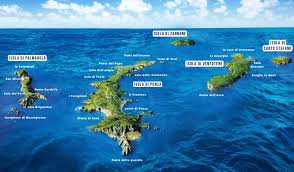
The Ponzian archipelago, located in the Tyrrhenian Sea in Italy, between the cities of Rome and Naples, consists of six and marvelous small islands highly visited by tourists from all over the world, especially in the summer season. Ponza, the largest of the islands, is considered the “Pearl of Rome.” Join us to discover the history, geography, culture, traditions, as well as the enchanting legends that identify the various islands through narrative, photos and videos. The course, which is highly communicative, fosters Italian conversation with other students in the class, promotes vocabulary development and allows review of past tense verbs. *Didactic materials will be distributed weekly. *Bonus: Tasting of a traditional dessert.

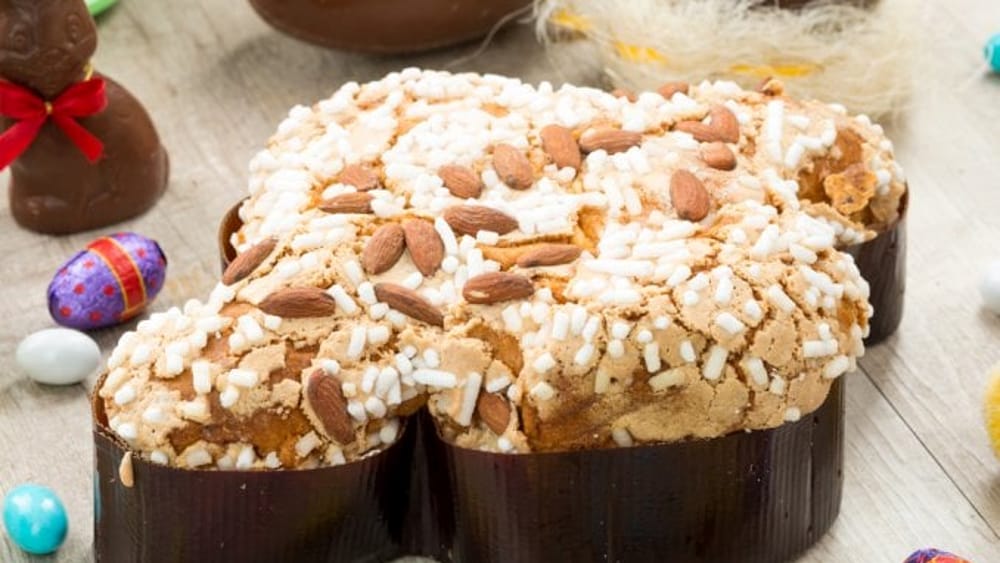
Colomba Pasquale: A Sweet Italian Easter Tradition

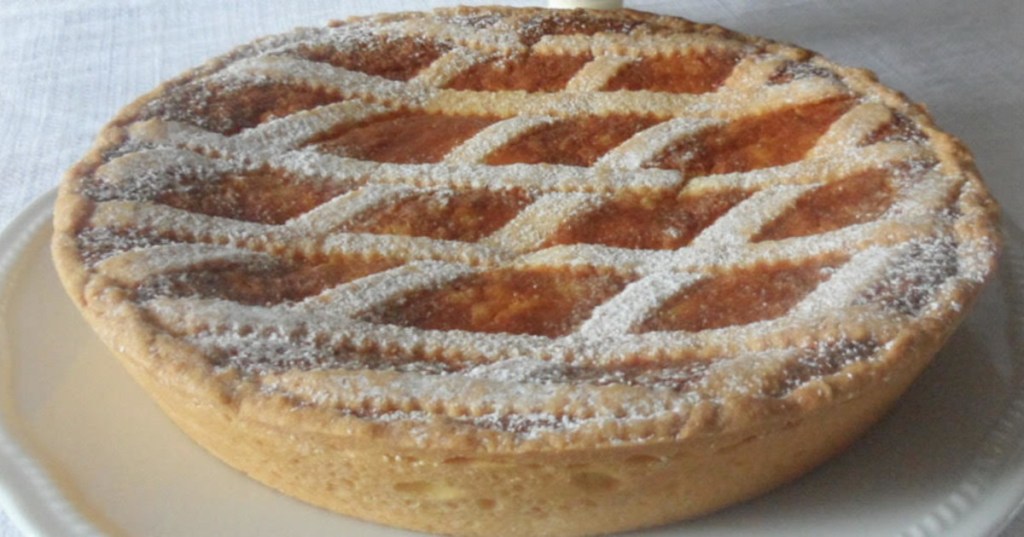
La Pastiera Napoletana: Il Dolce di Pasqua per Eccellenza

Spending time in the kitchen is fun and therapeutic.

Scopri le Maschere di Carnevale Italiane

Maschere di Carnevale
Quante maschere per via:
che fracasso, che allegria!
Arlecchino multicolore
è sempre di buon umore;
il suo amico Brighella
non ha soldi nella scarsella;
Pulcinella si consola:
suona la mandola.
Di Milano è Meneghino
e Gianduia di Torino;
Stenterello è toscano,
Rugantino romano.
Avaro è Pantalone,
superbo Balanzone.
Graziosa e birichina,
con Rosaura va Colombina.
Tante altre mascherine,
eleganti e chiacchierine,
vanno a spasso in compagnia:
che fracasso, che allegria!
Carla Piccinini

CULTURA HISPANA: La bandera de Perú

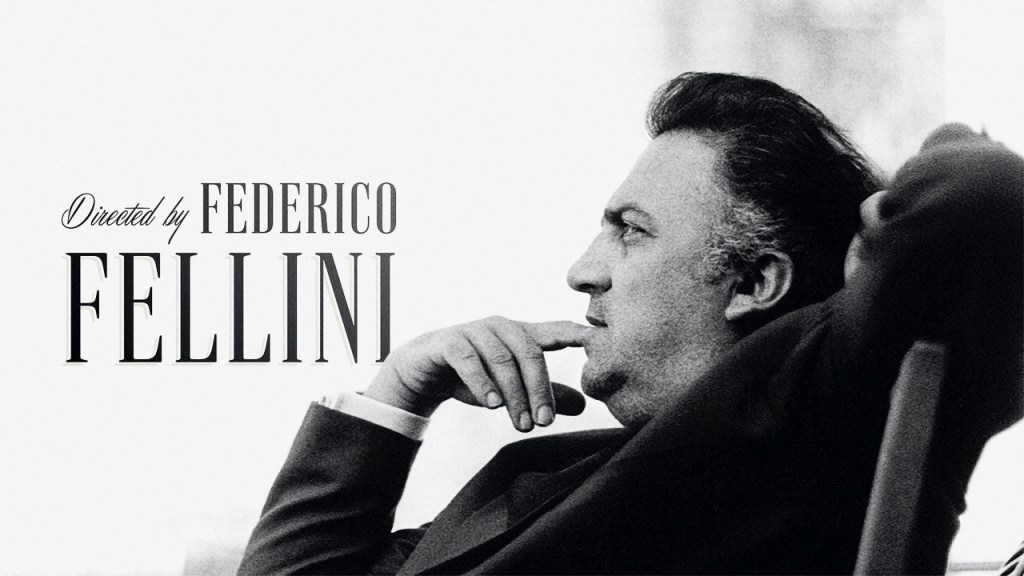
NOTA CULTURALE: Federico Fellini

CULTURA HISPANA: La bandera de Venezuela

Cultura Italiana: Santa Lucia

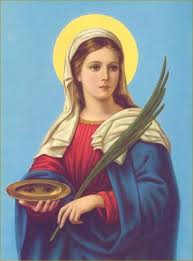
St. Lucy, virgin and martyr, was born in Syracuse, Sicily, towards the end of the third century AD, to a wealthy and noble family. As a result of her faith and her mother’s recovery, she decided to distribute her entire dowry to the poor and consecrate herself to God. Because of her unwavering faith, she was brutally murdered on Dec. 13, 304, during the persecution of Christians under Emperor Diocletian. The feast of St. Lucy is a well-known holiday in countries of Catholic belief. The saint depicted as a girl of rare beauty with blue eyes, is one of the most beloved and venerated saints as the patron saint of eyes and sight. Lucia comes from the Latin word lux and means light. So many people are named after her. Contained in the name is a symbolic reference to light and as a guide on the spiritual path to the Nativity of Jesus and the truth.