Blog

🇮🇹 🇪🇸 🇺🇸 Three Languages, Three Cultures, One Extraordinary Event: The Tall Ships in Boston


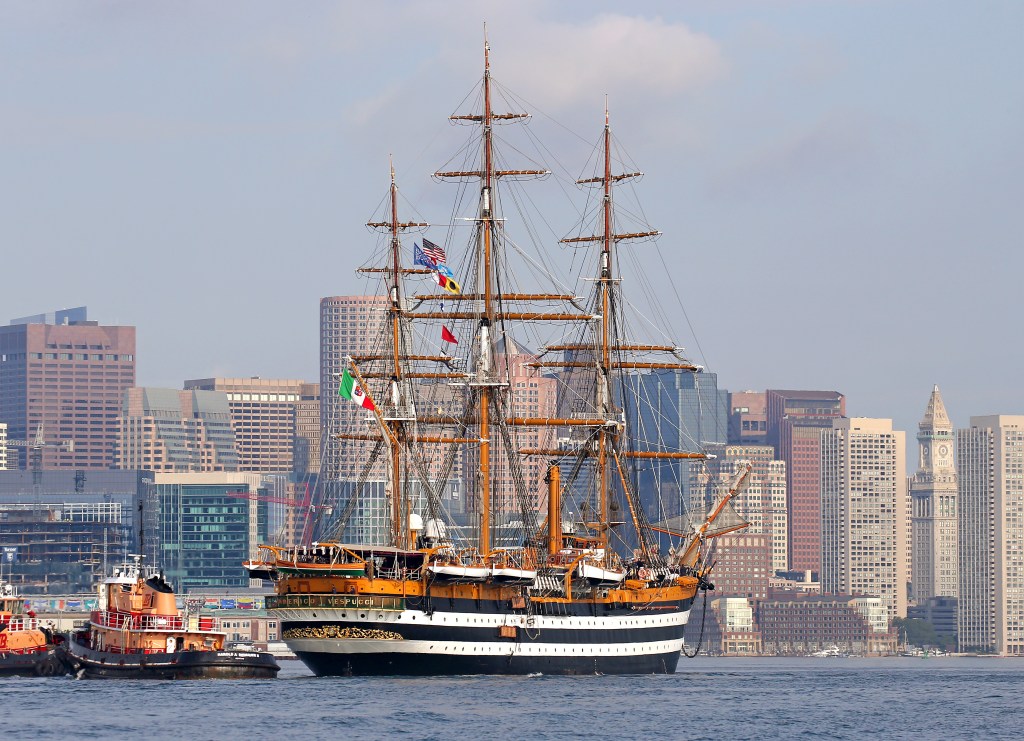
Boston Harbor came alive this weekend as the magnificent Tall Ships sailed into the city, transforming the waterfront into a celebration of history, culture, and international friendship. Watching these majestic vessels arrive is an unforgettable experience, but it is also a reminder that every ship carries more than sails and rigging—it carries the language, traditions, and stories of its people.

As a teacher of Italian, Spanish, and English as a Second Language (ESL), I couldn’t help but see this event as a wonderful opportunity to celebrate the beauty of languages and the cultures they represent.

🇮🇹 Italy: The Magnificent Amerigo Vespucci

Without question, one of the stars of the festival is the Amerigo Vespucci, the Italian Navy’s famous training ship, often described as “the most beautiful ship in the world.”

Built in 1931, the Amerigo Vespucci is far more than a sailing vessel. It serves as a floating academy where future naval officers learn discipline, leadership, teamwork, and respect for Italy’s rich maritime traditions.

Its inspiring motto,

“Non chi comincia ma quel che persevera”

(“Not he who begins, but he who perseveres”),

reminds us that success comes through dedication—a lesson that applies equally to learning a new language.

For anyone studying Italian, seeing the Amerigo Vespucci in person is an opportunity to experience a living symbol of Italy’s history, craftsmanship, and national pride.

🇪🇸 Spain: The Historic Juan Sebastián de Elcano

Also welcoming visitors to Boston is Spain’s renowned training ship, the Juan Sebastián de Elcano, named after the Spanish explorer who completed the first circumnavigation of the globe.

Like her Italian counterpart, she is a floating classroom where future naval officers develop professional skills while representing Spain throughout the world.

For students of Spanish, this remarkable vessel is a reminder that language opens the door to understanding history, exploration, literature, and the diverse cultures of Spain and the Spanish-speaking world.

🇺🇸 🇬🇧 English: Boston Welcomes the World

Boston has long been one of America’s most historic ports, welcoming travelers, immigrants, students, and visitors from every corner of the globe.

During the Tall Ships celebration, English becomes the language that connects people from dozens of countries while they share their admiration for these extraordinary vessels.

Events like this remind us that language is much more than vocabulary and grammar—it is communication, friendship, and cultural exchange.

Learning a Language Is Like Setting Sail

Every language opens a new horizon.

Learning Italian allows you to appreciate Italy’s extraordinary art, cuisine, music, and traditions.

Learning Spanish connects you with one of the most widely spoken languages in the world, opening doors to travel, business, and rich cultural experiences.

Improving your English builds confidence for school, work, travel, and everyday life.

Just as every voyage begins with a single step aboard a ship, every language journey begins with a single lesson.

Learn Italian, Spanish, or English with Confidence

My language classes are designed to help students of all ages and levels develop practical communication skills while discovering the cultures behind each language.

Whether you’re preparing for travel, reconnecting with your heritage, supporting your education, advancing your career, or simply learning for the joy of it, lessons are personalized, engaging, and tailored to your goals.

I believe that language learning should never feel like memorizing endless grammar rules. Instead, it should be an enjoyable journey filled with authentic experiences, meaningful conversations, and fascinating cultural discoveries—just like the Tall Ships that have brought the world to Boston this weekend.

If the arrival of the Amerigo Vespucci, the Juan Sebastián de Elcano, and the many international Tall Ships has inspired your curiosity, perhaps this is the perfect time to begin your own journey.

I’d be delighted to help you discover the beauty of Italian, Spanish, or English—one lesson at a time.

Buon vento! · ¡Buen viento! · Fair winds and following seas!

Loukoumades: Greece’s Irresistible Golden Honey Doughnuts 🇬🇷🍯

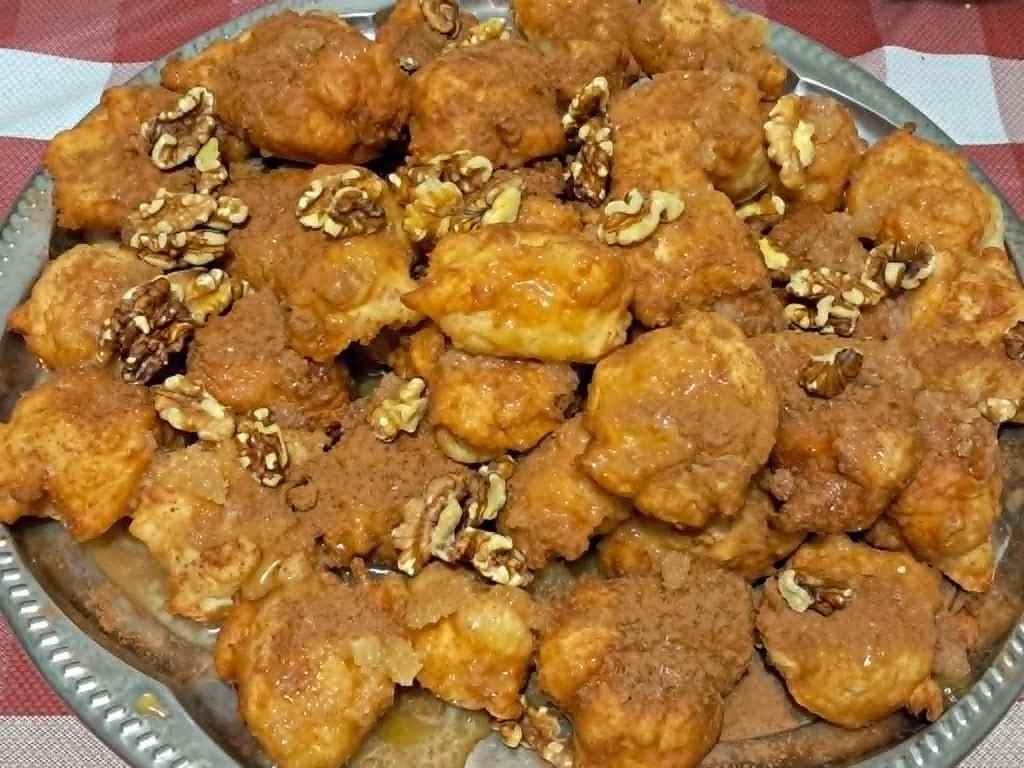
If you’ve ever visited Greece, chances are you’ve come across the irresistible aroma of freshly fried loukoumades. These tiny golden dough balls are crispy on the outside, light and airy on the inside, and traditionally drizzled with warm honey and sprinkled with cinnamon and chopped walnuts. Simple ingredients, timeless flavors, and pure comfort.

Loukoumades are one of Greece’s oldest desserts, with a history dating back thousands of years. Some historians even believe they were served to victorious athletes during the ancient Olympic Games. Today, they remain one of the country’s most beloved sweet treats, enjoyed at festivals, family gatherings, and neighborhood pastry shops.

A Dessert with Endless Variations

While the classic combination of honey and cinnamon remains the favorite for many Greeks, modern versions have become increasingly creative. You can now find loukoumades topped with:

  • Melted dark or milk chocolate
  • Pistachio cream
  • Salted caramel
  • White chocolate
  • Crushed biscuits or cookies
  • Fresh berries and whipped cream
  • Ice cream
  • Toasted nuts and sesame seeds

Whether you prefer the traditional recipe or a more contemporary twist, loukoumades are always a crowd-pleaser and surprisingly easy to prepare once you learn the right technique.

The Secret Is in the Dough

Although the ingredient list is wonderfully simple—flour, yeast, water, a touch of sugar, and a pinch of salt—the real secret lies in preparing the dough correctly and frying it at the perfect temperature. Achieving that delicate balance between a crisp exterior and a fluffy interior is what transforms good loukoumades into unforgettable ones.

Like many traditional Greek recipes, mastering the small details makes all the difference.

Learn to Make Authentic Greek Loukoumades

If you’ve always wanted to recreate authentic Greek desserts at home, I’d love to help.

In my Greek cooking classes, you’ll learn not only how to prepare delicious loukoumades from scratch but also the techniques, traditions, and stories behind this iconic dessert. My classes are designed for cooks of all experience levels and focus on authentic family recipes that have been passed down through generations.

Depending on the class, you may also learn to prepare a complete Greek menu featuring classic dishes, homemade pastries, appetizers, breads, and desserts. My goal is to make Greek cooking approachable, enjoyable, and full of authentic Mediterranean flavors that you can easily recreate in your own kitchen.

Whether you’re a passionate home cook, planning a special gathering, or simply curious about Greek cuisine, my classes offer a fun and memorable culinary experience.

Discover More Authentic Greek Recipes

If you love Mediterranean food, be sure to explore the recipes, cooking tips, and blog articles throughout my website. You’ll find inspiration for everyday meals, festive dishes, traditional desserts, and seasonal Greek specialties—all created to help you bring the warmth and hospitality of Greece into your home.

Thank you for visiting, and I hope to welcome you to one of my Greek cooking classes soon.

Καλή όρεξη! (Enjoy your meal!)

🌊 Palmarola: A Hidden Italian Treasure and the Beauty of Slow Living 🇮🇹

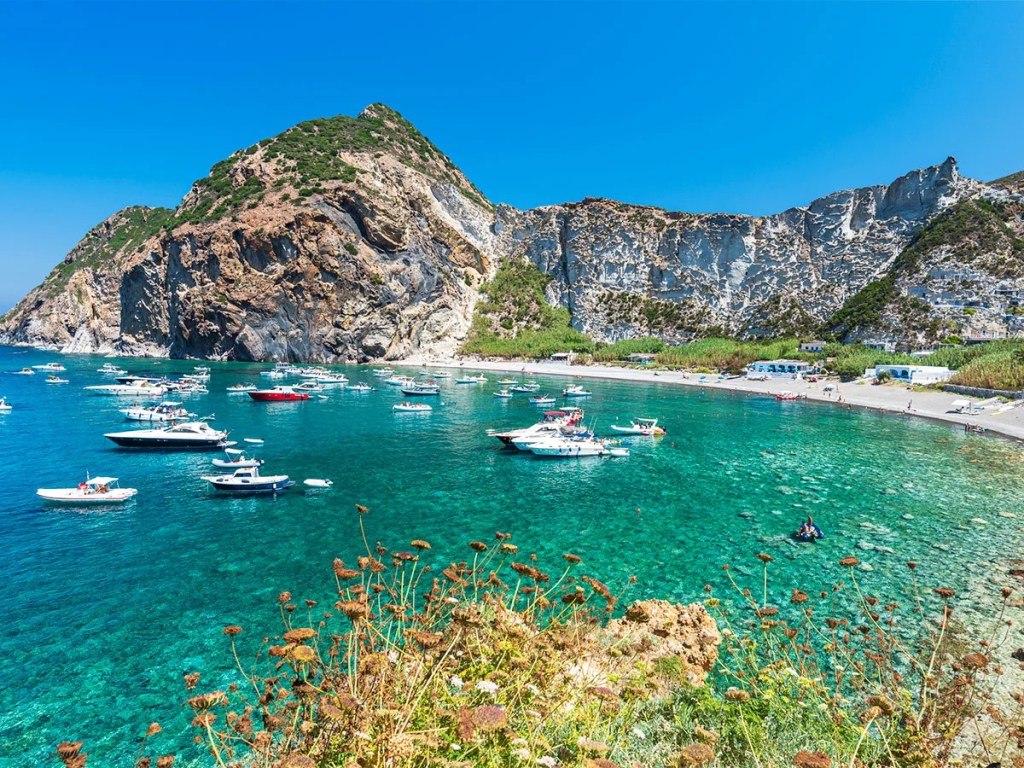
Some places are not simply visited; they are experienced. They stay with us because they awaken something deeper — a sense of wonder, peace, and connection. One of these magical places is Palmarola, a small and breathtaking island belonging to the Pontine Archipelago, off the coast of Italy.

Often described as one of the most beautiful and untouched islands in the Mediterranean, Palmarola is a place where nature takes center stage. Its crystal-clear waters, dramatic cliffs, hidden coves, and peaceful atmosphere create a landscape that feels almost like a dream.

Unlike crowded tourist destinations, Palmarola invites visitors to slow down and appreciate the simple beauty around them. The sound of the sea, the warmth of the sun, the colors of the rocks, and the gentle rhythm of island life remind us that sometimes the greatest experiences come from moments of simplicity.

🌿 The Italian Art of Slow Living

One of the things I love about Italian culture is the appreciation for enjoying life’s small moments. A conversation with a friend, a meal shared together, a walk near the sea, or a quiet moment surrounded by nature are all meaningful experiences.

Palmarola represents this beautiful idea of slow living — taking time to observe, listen, breathe, and truly experience the world around us.

In our busy lives, we often rush from one activity to another. Places like Palmarola remind us of the importance of pausing and reconnecting with what brings us joy.

🐚 Discovering Italy Through Language and Culture

Learning Italian is not only about vocabulary and grammar. A language carries the history, traditions, landscapes, and emotions of the people who speak it.

When we learn words like:

🌊 il mare — the sea
🏝️ l’isola — the island
🌅 il tramonto — the sunset
🌿 la natura — nature
☀️ la bellezza — beauty

we are not simply memorizing words. We are opening a window into another culture and another way of seeing the world.

Every place has a story, and language helps us understand that story.

🎨 Beauty Inspires Creativity

Italy has always inspired artists, writers, musicians, and dreamers. The colors, landscapes, traditions, and atmosphere of places like Palmarola remind us that creativity grows when we take the time to observe.

A beautiful landscape can inspire a painting. A conversation can inspire a story. A new word in another language can open the door to a new idea.

Learning and creativity are connected because both begin with curiosity.

🌞 A Summer Reflection

Even if we are not traveling this summer, we can still explore. We can discover a new book, learn a new expression in another language, listen to music from another country, cook a new recipe, or simply take a moment to appreciate the beauty around us.

Palmarola reminds us that learning is also a journey — one filled with discovery, connection, and new perspectives.

Whether we are exploring a new place or learning a new language, every journey begins with curiosity.

May this summer bring you moments of beauty, inspiration, and the joy of discovering something new.

Buona estate! 🌊🇮🇹

🌿 Now Planning for the 2026–2027 Montessori Language Programs 🌿

As we reach the end of June, it is already time to begin planning for another exciting year of language learning!

Enrollment for the 2026–2027 Montessori Language Programs in Italian 🇮🇹, Spanish 🇪🇸, and English as a Second Language (ESL 🇺🇸) will begin soon, with the Fall semester starting around mid-September.

My programs are thoughtfully designed for children and adults learning a second language in a non-immersive environment. Guided by Montessori principles, each lesson encourages confidence, independence, curiosity, and joyful learning through meaningful, hands-on experiences.

✨ Programs are available for:
• Preschool and school-age children
• Teenagers
• Adults
• Private one-on-one instruction
• Small group lessons

Every learner is unique, and each program is carefully tailored to support individual growth while fostering a genuine love of language and culture.

If you have been considering learning Italian, Spanish, or English, or if you are looking for a meaningful language program for your child, this is the perfect time to get in touch. Families and adult students who express interest will receive personalized information regarding scheduling, program options, and enrollment.

I look forward to welcoming both returning and new students for another wonderful year of learning, discovery, and cultural exploration.

Wishing everyone a beautiful, relaxing, and inspiring summer! ☀️

For additional information or to express your interest, please feel free to contact me. I would be delighted to answer your questions and help you find the program that best meets your needs.

☕ Coffee Culture Around the World: Italy, Spain, and the U.S. 🌎

Coffee is much more than a beverage. Across the world, it reflects local customs, daily routines, and social traditions. For language learners, exploring coffee culture offers a wonderful window into the values and lifestyles of different countries.

Let’s take a journey through three coffee-loving nations: Italy, Spain, and the United States.

🇮🇹 ITALY: THE ART OF SIMPLICITY

In Italy, coffee is a ritual woven into everyday life. Italians typically drink coffee standing at the bar, often in just a few minutes. The most common order is simply “un caffè,” which means an espresso.

One of the first surprises for visitors is that cappuccino is generally considered a breakfast drink. Ordering one after lunch or dinner may earn you a curious glance, although cafés are happy to serve it.

Italian coffee culture emphasizes quality, tradition, and efficiency. Rather than lingering for hours, people stop briefly to enjoy their espresso, exchange a few words with friends or the barista, and continue with their day.

Useful Italian coffee vocabulary:

• Caffè = Espresso
• Cappuccino = Espresso with steamed milk and foam
• Macchiato = Espresso “stained” with a little milk
• Bar = Coffee shop
• Cornetto = Italian breakfast pastry

🇪🇸 SPAIN: COFFEE AND CONVERSATION

In Spain, coffee is often linked to socializing. Cafés serve as gathering places where friends meet, colleagues chat, and families enjoy time together.

The variety of coffee drinks is impressive. A café solo resembles an espresso, while a café con leche combines coffee and milk in roughly equal parts. Depending on the region, you may discover local specialties and unique names.

Coffee breaks are an important part of the Spanish day. Many people enjoy coffee during breakfast, after lunch, or during the traditional afternoon pause. Sitting at an outdoor terrace with a coffee and good conversation is a beloved Spanish pastime.

Useful Spanish coffee vocabulary:

• Café solo = Espresso
• Café con leche = Coffee with milk
• Cortado = Espresso with a small amount of milk
• Terraza = Outdoor café seating
• Desayuno = Breakfast

🇺🇸 THE UNITED STATES: VARIETY AND PERSONAL CHOICE

American coffee culture is known for its diversity and customization. Coffee shops offer an enormous range of options, from classic drip coffee to cold brew, flavored lattes, and seasonal specialties.

Unlike the quick espresso stop common in Italy, many Americans enjoy taking their coffee to go or spending extended periods working, studying, or meeting friends in cafés. Coffee shops often function as community spaces and informal offices.

The rise of specialty coffee has also increased interest in coffee origins, roasting techniques, and brewing methods. Customers frequently personalize their drinks with different milks, flavors, and sweeteners.

Common American coffee terms:

• Drip coffee = Filtered coffee
• Latte = Espresso with steamed milk
• Cold brew = Coffee brewed with cold water over many hours
• To-go coffee = Coffee intended for takeaway
• Refill = Additional coffee, often at little or no extra cost

WHAT COFFEE CULTURE TEACHES LANGUAGE LEARNERS

Learning a language is not only about grammar and vocabulary. It is also about understanding the everyday habits that shape communication.

A simple coffee order can reveal cultural expectations, social norms, and even humor. Knowing when Italians drink cappuccino, how Spaniards enjoy long conversations over coffee, or why Americans appreciate customization helps learners connect more naturally with native speakers.

The next time you visit a café, try ordering in another language. You may discover that a cup of coffee can be one of the most enjoyable language lessons of all.

FINAL THOUGHT

Whether you’re sipping an espresso in Rome, enjoying a café con leche in Madrid, or carrying a latte down a busy American street, coffee tells a story about the people who drink it. For language learners, those stories offer a delicious way to explore culture, one cup at a time.

What is your favorite coffee drink, and have you ever tried ordering it in another language? Share your experience in the comments below!

🎉🌞 June Festivals in Italy 🇮🇹 and Spain 🇪🇸 You Should Know About 🎭🎶

As summer begins, Italy and Spain come alive with vibrant festivals that celebrate history, faith, music, food, and community. These traditions offer a wonderful opportunity to learn more about the cultures behind the languages we study. Whether you are learning Italian, Spanish, or simply love exploring world cultures, June is a fascinating month filled with memorable celebrations.

Italy: A Month of Tradition and Community

The Feast of Saint John (Festa di San Giovanni)

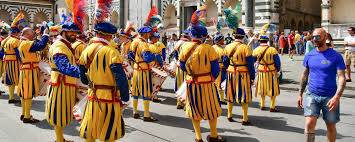
Celebrated on June 24, the Feast of Saint John honors Saint John the Baptist, the patron saint of several Italian cities, including Florence and Turin. The festivities often include religious processions, music, cultural events, and spectacular fireworks.

In Florence, locals gather along the Arno River to enjoy an evening of celebration that combines centuries-old traditions with modern festivities.

Infiorata Festivals

Throughout June, many Italian towns host Infiorata celebrations, where artists create intricate designs and religious images using flower petals. Streets become colorful carpets of flowers, attracting visitors from around the world.

The town squares are transformed into breathtaking works of art that demonstrate creativity, patience, and community spirit.

Summer Food Festivals (Sagre)

June marks the beginning of the season for local food festivals known as “sagre.” Villages celebrate regional specialties such as pasta, seafood, cherries, truffles, and local wines.

These events provide an authentic glimpse into Italian life, where food is not simply nourishment but a way to bring people together.

Spain: Celebrating Light, Fire, and Tradition

San Juan Festival

One of Spain’s most beloved June celebrations is the Night of San Juan, held on June 23rd and 24th. This midsummer festival welcomes the arrival of summer with bonfires, fireworks, music, and beach gatherings.

In coastal regions, people gather around large bonfires and participate in rituals believed to bring good luck, health, and prosperity. Many jump over small fires or make wishes as a symbolic way of leaving behind worries and welcoming new beginnings.

Corpus Christi Celebrations

Many Spanish cities celebrate Corpus Christi with elaborate processions, decorated streets, music, and traditional costumes. Some towns create beautiful floral carpets similar to Italy’s Infiorata traditions.

These celebrations highlight Spain’s rich cultural and religious heritage while bringing entire communities together.

Local Music and Cultural Festivals

Throughout June, Spanish cities host outdoor concerts, dance performances, and cultural events that showcase regional traditions. Flamenco performances, folk music, and community celebrations fill plazas and streets with energy and color.

Why Festivals Matter for Language Learners

Learning a language goes far beyond grammar and vocabulary. Festivals help us understand how people celebrate, connect with family, preserve traditions, and express their cultural identity.

By exploring festivals in Italy and Spain, students gain valuable cultural knowledge that enriches their language learning journey. Understanding traditions makes conversations more meaningful and helps learners appreciate the people behind the language.

Bring Culture Into Your Learning

One of the most enjoyable ways to learn Italian or Spanish is through culture. Reading about festivals, trying traditional recipes, listening to music, and learning holiday vocabulary can make language study more engaging and memorable.

This June, take a virtual trip to Italy or Spain and discover the traditions that make these countries so unique. You may find that culture is one of the best teachers of all.

Have you ever attended a festival in Italy or Spain? Share your experience in the comments below!

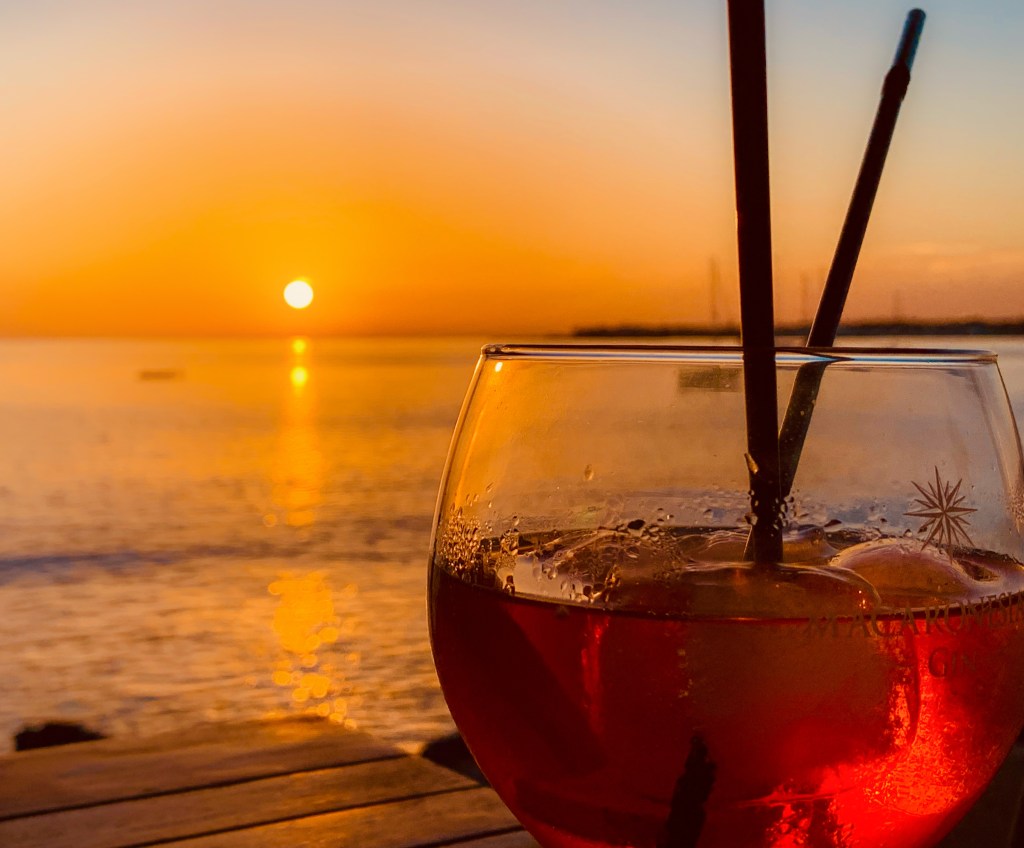
🌅 Italian Aperitivo: the most social moment of the day 🥂

In Italy, the day doesn’t really end with work. Between the afternoon and the evening there is an important part of daily life: the aperitivo.

It is not just a drink or a snack, but a true social ritual that marks the transition between the working day and the evening. People meet with friends, colleagues, or family to relax and share time together.

The aperitivo usually takes place between 6:00 pm and 8:00 pm. People drink something light such as a Spritz, a glass of wine, or a simple cocktail, accompanied by small bites of food: olives, cheese, cured meats, bruschetta, or small pizzas.

Every Italian city has its own style. Milan is more modern and elegant, Venice is known for its bacari and cicchetti, Rome offers lively terraces and squares, while in southern Italy the aperitivo is often simpler and closer to the sea.

In recent years, the Spritz has become the most well-known symbol of this moment, thanks to its color and lightness.

🇪🇸 Aperitivo italiano: el momento más social del día

En Italia, el día no termina realmente con el trabajo. Entre la tarde y la noche existe un momento muy importante de la vida cotidiana: el aperitivo.

No es solo una bebida o un aperitivo ligero, sino un verdadero ritual social que marca la transición entre el trabajo y la noche. Las personas se reúnen con amigos, colegas o familiares para relajarse y compartir tiempo juntos.

El aperitivo suele tener lugar entre las 18:00 y las 20:00. Se bebe algo ligero como un Spritz, una copa de vino o un cóctel sencillo, acompañado de pequeños aperitivos: aceitunas, quesos, embutidos, bruschettas o pizzetas.

Cada ciudad italiana tiene su propio estilo. Milán es más moderna y elegante, Venecia está ligada a los bacari y los cicchetti, Roma ofrece terrazas y plazas animadas, mientras que en el sur de Italia el aperitivo suele ser más simple y cerca del mar.

En los últimos años, el Spritz se ha convertido en el símbolo más conocido de este momento, gracias a su color y su ligereza.

El aperitivo representa uno de los aspectos más auténticos del estilo de vida italiano: no se trata solo de consumir algo, sino de desacelerar, socializar y disfrutar del momento presente.

🇮🇹 Aperitivo italiano: il momento più social della giornata

In Italia, la giornata non finisce davvero con il lavoro. Tra il pomeriggio e la sera c’è un momento molto importante della vita quotidiana: l’aperitivo.

Non è solo una bevanda o uno snack, ma un vero rituale sociale che segna la transizione tra il lavoro e la serata. Le persone si incontrano con amici, colleghi o familiari per rilassarsi e condividere del tempo insieme.

L’aperitivo si svolge generalmente tra le 18:00 e le 20:00. Si beve qualcosa di leggero come uno Spritz, un bicchiere di vino o un cocktail semplice, accompagnato da piccoli assaggi di cibo: olive, formaggi, salumi, bruschette o pizzette.

Ogni città italiana ha il proprio stile. Milano è più moderna ed elegante, Venezia è legata ai bacari e ai cicchetti, Roma offre terrazze e piazze animate, mentre nel sud Italia l’aperitivo è spesso più semplice e vicino al mare.

Negli ultimi anni, lo Spritz è diventato il simbolo più conosciuto di questo momento, grazie al suo colore e alla sua leggerezza.

L’aperitivo rappresenta uno degli aspetti più autentici dello stile di vita italiano: non si tratta solo di consumare qualcosa, ma di rallentare, socializzare e godersi il momento presente.

🌍✨Learning a Language as a Way of Life🎨🍝📚☀️

When many people think about learning a language, they often imagine grammar books, vocabulary lists, and memorization. But language is much more than words — it is culture, expression, creativity, connection, and daily life.
This is why my teaching approach combines language learning with art, cooking, conversation, music, and wellness.
Whether we are discussing an Italian song, preparing a traditional recipe, exploring art and culture, or simply practicing everyday conversation, students learn in a more natural and meaningful way. Language becomes alive when it is connected to real experiences and personal interests.
For adults especially, learning should not feel stressful or mechanical. It should feel enriching, inspiring, and enjoyable. Many students come to class not only to learn Italian, Spanish, or English, but also to reconnect with creativity, confidence, curiosity, and culture.
Cooking teaches vocabulary through the senses and traditions. Art encourages observation, expression, and conversation. Wellness reminds us that learning happens best when we feel calm, engaged, and supported.
Every student arrives with different goals:
My goal is to create a warm and personalized environment where students feel comfortable learning at their own pace while developing real communication skills and cultural understanding.
Language learning is not only about speaking another language — it is also about discovering new ways to experience the world.

🌿 Now enrolling for private lessons and small group classes in Italian, Spanish, and ESL, as well as art, cooking, and wellness-inspired learning sessions.

If you are looking for a personalized, engaging, and culturally rich learning experience, I invite you to get in touch or visit my website to learn more and reserve your spot.

Spring in Italy: Words, Flavors, and Traditions of May

Spring in Italy is not simply a season — it is a feeling, a rhythm, a celebration of beauty slowly returning to everyday life. May, in particular, carries a special charm throughout the country: flowers bloom in village balconies, outdoor cafés come alive again, and the air is filled with the perfume of jasmine, roses, and freshly cut grass. Italians often say that spring invites people back into the piazze, into conversation, into life itself.

One of the loveliest aspects of May in Italy is the language associated with the season. Certain words seem to bloom alongside nature: primavera (spring), fioritura (blossoming), passeggiata (an evening stroll), and profumo (fragrance). Even simple expressions feel more poetic during this time of year. To say “Che bella giornata!” (“What a beautiful day!”) while walking through a historic town under soft golden sunlight feels deeply Italian.

Spring also arrives through flavors. Markets overflow with fresh seasonal ingredients: sweet strawberries, tender asparagus, artichokes, peas, zucchini flowers, cherries, and fragrant basil. In many regions, lighter dishes begin to replace the rich meals of winter. Italians gather outdoors to enjoy simple pleasures — fresh mozzarella, focaccia, seafood by the coast, homemade gelato, and a glass of crisp white wine shared among friends.

May is also a month filled with traditions and festivities. Religious celebrations, flower festivals, and local sagre (food fairs) take place across Italy, especially in small towns where traditions are preserved with pride. In some regions, streets are decorated with elaborate flower carpets for spring processions, while families prepare special recipes passed down through generations. There is a strong sense of community, beauty, and gratitude for nature’s renewal.

Perhaps what makes spring in Italy so unforgettable is the way everyday moments become meaningful. Laundry dancing in the breeze from ancient windows, church bells echoing in the afternoon, elderly neighbors chatting on benches, children running through piazze eating gelato — all these details create a season that feels alive and deeply human.

To experience Italy in May is to understand that beauty is not reserved for special occasions. It lives in the language, the food, the traditions, and the small rituals of daily life. And perhaps that is one of the greatest lessons Italy teaches us: to slow down, notice, and savor the season we are living in.

🇮🇹 Primavera in Italia: parole, sapori e tradizioni di maggio

La primavera in Italia non è semplicemente una stagione: è una sensazione, un ritmo, una celebrazione della bellezza che lentamente ritorna nella vita quotidiana. Maggio, in particolare, possiede un fascino speciale in tutto il Paese: i fiori sbocciano sui balconi dei borghi, i caffè all’aperto tornano a riempirsi di vita e l’aria si riempie del profumo del gelsomino, delle rose e dell’erba appena tagliata. Gli italiani spesso dicono che la primavera riporta le gente nelle piazze, nelle conversazioni, nella vita stessa.

Uno degli aspetti più belli di maggio in Italia è il linguaggio associato alla stagione. Alcune parole sembrano fiorire insieme alla natura: primavera, fioritura, passeggiata e profumo. Perfino le espressioni più semplici sembrano più poetiche in questo periodo dell’anno. Dire “Che bella giornata!” mentre si cammina in un borgo storico sotto una luce dorata e delicata sembra profondamente italiano.

La primavera arriva anche attraverso i sapori. I mercati si riempiono di ingredienti freschi di stagione: fragole dolci, asparagi teneri, carciofi, piselli, fiori di zucca, ciliegie e basilico profumato. In molte regioni, i piatti leggeri iniziano a sostituire i pasti ricchi dell’inverno. Gli italiani si ritrovano all’aperto per godere di piaceri semplici: mozzarella fresca, focaccia, pesce lungo la costa, gelato artigianale e un bicchiere di vino bianco condiviso tra amici.

Maggio è anche un mese ricco di tradizioni e feste. Celebrazioni religiose, feste floreali e sagre locali animano tutta l’Italia, soprattutto nei piccoli paesi dove le tradizioni vengono custodite con orgoglio. In alcune regioni le strade vengono decorate con meravigliosi tappeti di fiori per le processioni primaverili, mentre le famiglie preparano ricette tramandate di generazione in generazione. Si respira un forte senso di comunità, bellezza e gratitudine per il ritorno della natura.

Forse ciò che rende la primavera in Italia così indimenticabile è il modo in cui i momenti quotidiani diventano significativi. Il bucato che danza al vento tra finestre antiche, le campane delle chiese che risuonano nel pomeriggio, gli anziani che conversano sulle panchine e i bambini che corrono nelle piazze mangiando gelato: tutti questi dettagli creano una stagione viva e profondamente umana.

Vivere l’Italia a maggio significa comprendere che la bellezza non è riservata alle occasioni speciali. Vive nella lingua, nel cibo, nelle tradizioni e nei piccoli rituali della vita quotidiana. E forse questa è una delle più grandi lezioni che l’Italia ci insegna: rallentare, osservare e assaporare la stagione che stiamo vivendo.

🇪🇸 Primavera en Italia: palabras, sabores y tradiciones de mayo

La primavera en Italia no es simplemente una estación: es una sensación, un ritmo, una celebración de la belleza que lentamente vuelve a la vida cotidiana. Mayo, en particular, tiene un encanto especial en todo el país: las flores florecen en los balcones de los pueblos, los cafés al aire libre vuelven a llenarse de vida y el aire se llena del perfume del jazmín, las rosas y la hierba recién cortada. Los italianos suelen decir que la primavera devuelve a la gente a las plazas, a las conversaciones y a la vida misma.

Uno de los aspectos más hermosos de mayo en Italia es el lenguaje asociado a la estación. Algunas palabras parecen florecer junto con la naturaleza: primavera, fioritura (floración), passeggiata (paseo) y profumo (perfume). Incluso las expresiones más simples parecen más poéticas en esta época del año. Decir “Che bella giornata!” mientras se camina por un pueblo histórico bajo una suave luz dorada se siente profundamente italiano.

La primavera también llega a través de los sabores. Los mercados se llenan de ingredientes frescos de temporada: fresas dulces, espárragos tiernos, alcachofas, guisantes, flores de calabacín, cerezas y albahaca perfumada. En muchas regiones, los platos ligeros empiezan a reemplazar las comidas abundantes del invierno. Los italianos se reúnen al aire libre para disfrutar de placeres simples: mozzarella fresca, focaccia, mariscos junto al mar, helado artesanal y una copa de vino blanco compartida entre amigos.

Mayo también es un mes lleno de tradiciones y festividades. Celebraciones religiosas, festivales florales y sagre locales llenan de vida toda Italia, especialmente los pequeños pueblos donde las tradiciones se conservan con orgullo. En algunas regiones las calles se decoran con maravillosas alfombras de flores para las procesiones primaverales, mientras las familias preparan recetas transmitidas de generación en generación. Se respira un fuerte sentido de comunidad, belleza y gratitud por el renacer de la naturaleza.

Quizás lo que hace tan inolvidable la primavera en Italia sea la manera en que los momentos cotidianos se vuelven significativos. La ropa tendida bailando al viento entre ventanas antiguas, las campanas de las iglesias resonando por la tarde, los vecinos mayores conversando en las plazas y los niños corriendo con un helado en la mano: todos esos detalles crean una estación viva y profundamente humana.

Vivir Italia en mayo significa comprender que la belleza no está reservada para las ocasiones especiales. Vive en el idioma, en la comida, en las tradiciones y en los pequeños rituales de la vida cotidiana. Y quizás esa sea una de las lecciones más hermosas que Italia nos enseña: bajar el ritmo, observar y saborear la estación que estamos viviendo.

Honoring the Incredible Moms in Our Lives 🌸

Mother’s Day, celebrated every year on the second Sunday in May, is a special occasion to honor and appreciate the extraordinary women who nurture, guide, and inspire us throughout our lives. From mothers and grandmothers to stepmoms, aunts, and other mother figures, this day offers an opportunity to reflect on the love, patience, and unwavering support they provide—often without expecting anything in return.

Motherhood is a journey filled with challenges, triumphs, and countless acts of care, both big and small, that shape families and communities alike. This celebration is a tribute to the resilience, dedication, and profound impact of mothers everywhere. It honors their strength, their sacrifices, and the many ways they enrich our lives.

As an educator teaching multiple languages, I have the privilege of witnessing children of all ages create thoughtful and heartfelt activities to honor their moms. From younger students crafting handmade cards and colorful drawings to older students preparing poems, messages, and small performances, each expression is filled with love and appreciation. These moments remind us that Mother’s Day is not only about celebrating mothers, but also about recognizing the beautiful bonds and connections shared within families.

Mother’s Day is more than a celebration—it is a heartfelt reminder to cherish and honor the women who guide us, comfort us, and inspire us to become our best selves. Their love makes the world brighter, warmer, and fuller.

Happy Mother’s Day!

Wishing all mothers, grandmothers, stepmoms, and mother figures a beautiful and joyful day. Today, we celebrate your love, strength, and unwavering dedication, and we honor the countless ways you make our lives brighter and fuller. Thank you for everything you do—your care and guidance are truly invaluable. 🌷

🇮🇹 Festa della Mamma: Celebriamo Amore, Forza e Dedizione 🌸

La Festa della Mamma, celebrata ogni anno la seconda domenica di maggio, è un’occasione speciale per onorare e apprezzare le donne straordinarie che ci nutrono, ci guidano e ci ispirano lungo tutta la nostra vita. Dalle mamme e nonne, alle madri affidatarie, zie e altre figure materne, questa giornata rappresenta un momento per riflettere sull’amore, la pazienza e il sostegno costante che offrono, spesso senza aspettarsi nulla in cambio.

La maternità è un percorso ricco di sfide, trionfi e innumerevoli atti di cura, grandi e piccoli, che modellano famiglie e comunità. Questa celebrazione rende omaggio alla resilienza, alla dedizione e al profondo impatto delle mamme in tutto il mondo. È un tributo alla loro forza, ai loro sacrifici e ai tanti modi in cui arricchiscono le nostre vite.

Come insegnante di più lingue, ho il privilegio di osservare bambini di tutte le età creare attività sentite e significative per onorare le loro mamme. Dai più piccoli che realizzano biglietti fatti a mano e disegni colorati, ai più grandi che preparano poesie, messaggi e piccole esibizioni, ogni gesto è pieno di amore e gratitudine. Questi momenti ci ricordano che la Festa della Mamma non riguarda solo la celebrazione della persona, ma anche dell’amore e del legame speciale che i bambini portano nelle loro famiglie.

La Festa della Mamma è molto più di una semplice celebrazione: è un promemoria sentito per onorare, apprezzare e celebrare le donne che ci guidano, ci confortano e ci ispirano a dare il meglio di noi stessi. Il loro amore rende il mondo più luminoso, accogliente e pieno di gioia.

Buona Festa della Mamma! 🌸

Auguri a tutte le mamme, nonne, madri affidatarie e figure materne per una giornata serena e piena di gioia. Oggi celebriamo il vostro amore, la vostra forza e la vostra dedizione costante, onorando i tanti modi in cui rendete le nostre vite più luminose e complete. Grazie per tutto ciò che fate: la vostra cura e la vostra guida sono davvero preziose. 🌷

🇪🇸 Honrando a las increíbles mamás en nuestras vidas 🌸

El Día de la Madre, celebrado cada año el segundo domingo de mayo, es una ocasión especial para honrar y agradecer a las mujeres extraordinarias que nos nutren, nos guían y nos inspiran a lo largo de nuestra vida. Desde madres y abuelas hasta madrastras, tías y otras figuras maternas, este día nos brinda la oportunidad de reflexionar sobre el amor, la paciencia y el apoyo incondicional que ofrecen, muchas veces sin esperar nada a cambio.

La maternidad es un camino lleno de desafíos, logros e innumerables actos de cuidado, grandes y pequeños, que moldean familias y comunidades. Esta celebración reconoce la resiliencia, la dedicación y el profundo impacto de las madres en todo el mundo. Es un homenaje a su fortaleza, sus sacrificios y las muchas maneras en que enriquecen nuestras vidas.

Como educadora que enseña varios idiomas, tengo el privilegio de ver a niños de todas las edades crear actividades llenas de cariño y significado para honrar a sus mamás. Desde los más pequeños que elaboran tarjetas hechas a mano y dibujos coloridos, hasta los mayores que preparan poemas, mensajes y pequeñas presentaciones, cada gesto está lleno de amor y gratitud. Estos momentos nos recuerdan que el espíritu del Día de la Madre no solo celebra a la persona, sino también el amor y la conexión especial que los niños aportan a sus familias.

El Día de la Madre es mucho más que una celebración; es un recordatorio sincero para honrar, valorar y celebrar a las mujeres que nos guían, nos reconfortan y nos inspiran a ser nuestra mejor versión. Su amor hace del mundo un lugar más cálido, luminoso y lleno de esperanza.

¡Feliz Día de la Madre! 🌸

Deseamos a todas las madres, abuelas, madrastras y figuras maternas un día hermoso y lleno de alegría. Hoy celebramos su amor, fortaleza y dedicación constante, y honramos las innumerables formas en que hacen nuestras vidas más luminosas y completas. Gracias por todo lo que hacen: su cuidado y guía son verdaderamente invaluables. 🌷