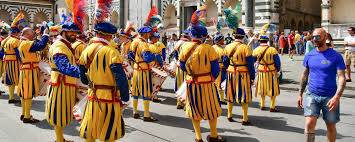
🎉🌞 June Festivals in Italy 🇮🇹 and Spain 🇪🇸 You Should Know About 🎭🎶

As summer begins, Italy and Spain come alive with vibrant festivals that celebrate history, faith, music, food, and community. These traditions offer a wonderful opportunity to learn more about the cultures behind the languages we study. Whether you are learning Italian, Spanish, or simply love exploring world cultures, June is a fascinating month filled with memorable celebrations.

Italy: A Month of Tradition and Community

The Feast of Saint John (Festa di San Giovanni)

Celebrated on June 24, the Feast of Saint John honors Saint John the Baptist, the patron saint of several Italian cities, including Florence and Turin. The festivities often include religious processions, music, cultural events, and spectacular fireworks.

In Florence, locals gather along the Arno River to enjoy an evening of celebration that combines centuries-old traditions with modern festivities.

Infiorata Festivals

Throughout June, many Italian towns host Infiorata celebrations, where artists create intricate designs and religious images using flower petals. Streets become colorful carpets of flowers, attracting visitors from around the world.

The town squares are transformed into breathtaking works of art that demonstrate creativity, patience, and community spirit.

Summer Food Festivals (Sagre)

June marks the beginning of the season for local food festivals known as “sagre.” Villages celebrate regional specialties such as pasta, seafood, cherries, truffles, and local wines.

These events provide an authentic glimpse into Italian life, where food is not simply nourishment but a way to bring people together.

Spain: Celebrating Light, Fire, and Tradition

San Juan Festival

One of Spain’s most beloved June celebrations is the Night of San Juan, held on June 23rd and 24th. This midsummer festival welcomes the arrival of summer with bonfires, fireworks, music, and beach gatherings.

In coastal regions, people gather around large bonfires and participate in rituals believed to bring good luck, health, and prosperity. Many jump over small fires or make wishes as a symbolic way of leaving behind worries and welcoming new beginnings.

Corpus Christi Celebrations

Many Spanish cities celebrate Corpus Christi with elaborate processions, decorated streets, music, and traditional costumes. Some towns create beautiful floral carpets similar to Italy’s Infiorata traditions.

These celebrations highlight Spain’s rich cultural and religious heritage while bringing entire communities together.

Local Music and Cultural Festivals

Throughout June, Spanish cities host outdoor concerts, dance performances, and cultural events that showcase regional traditions. Flamenco performances, folk music, and community celebrations fill plazas and streets with energy and color.

Why Festivals Matter for Language Learners

Learning a language goes far beyond grammar and vocabulary. Festivals help us understand how people celebrate, connect with family, preserve traditions, and express their cultural identity.

By exploring festivals in Italy and Spain, students gain valuable cultural knowledge that enriches their language learning journey. Understanding traditions makes conversations more meaningful and helps learners appreciate the people behind the language.

Bring Culture Into Your Learning

One of the most enjoyable ways to learn Italian or Spanish is through culture. Reading about festivals, trying traditional recipes, listening to music, and learning holiday vocabulary can make language study more engaging and memorable.

This June, take a virtual trip to Italy or Spain and discover the traditions that make these countries so unique. You may find that culture is one of the best teachers of all.

Have you ever attended a festival in Italy or Spain? Share your experience in the comments below!
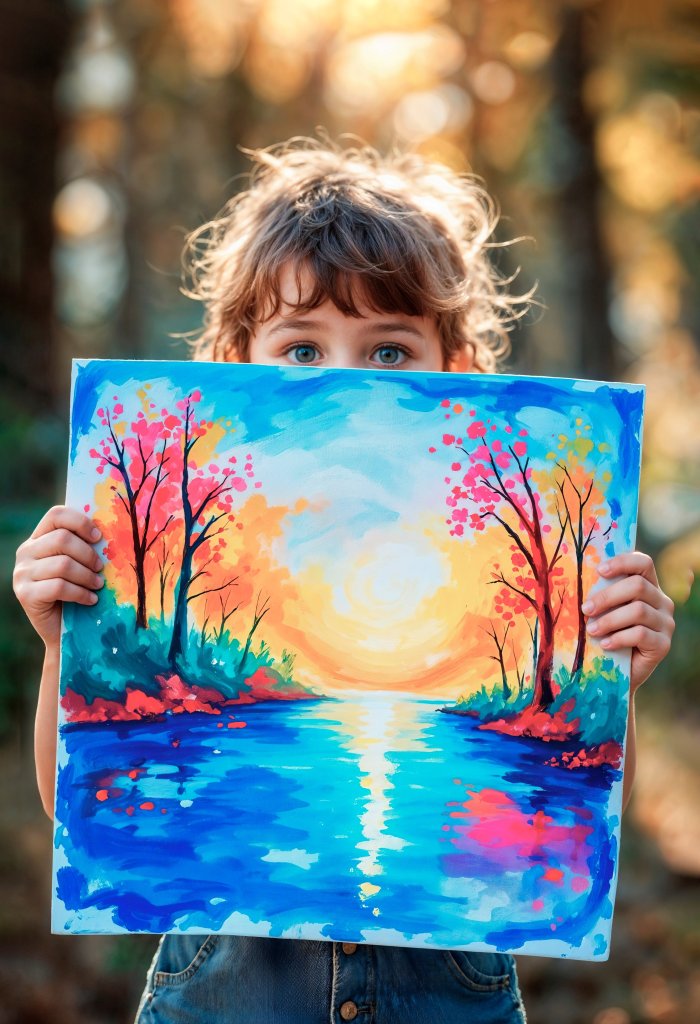
🌟 Why Creativity Is the Missing Link in Language Learning

Language learning is often presented as a process of memorizing vocabulary lists and grammar rules. While structure is important, it is not enough on its own. Many learners can understand a language for years but still feel unable to speak it confidently.

The missing link is often creativity.

When language is connected to creative experiences—such as storytelling, art, music, movement, or cooking—it becomes meaningful rather than mechanical. The brain does not remember isolated information as effectively as it remembers experiences filled with emotion, action, and imagination.

For example, a word learned through a simple definition may be quickly forgotten. However, that same word learned while drawing, acting it out, or using it in a personal story becomes part of a lived experience. This is how natural memory works, especially in children, but also in adults.

Creativity also reduces fear. Many learners hesitate to speak because they are afraid of making mistakes. Creative activities naturally remove that pressure. When the focus is on expression rather than perfection, communication becomes more fluid and confidence begins to grow.

Another important aspect is engagement. Creativity keeps learners interested. It transforms repetition into exploration and turns practice into something enjoyable rather than repetitive.

Ultimately, language is not just a subject to study—it is a form of expression. It carries culture, emotion, and identity. When creativity is part of the learning process, language becomes alive.

Whether learning Italian, Spanish, or English as a second language, creativity can transform how we absorb, remember, and use new words.

Because we do not truly learn a language by memorizing it—we learn it by experiencing it.

🇮🇹  Perché la creatività è l’anello mancante nell’apprendimento delle lingue

L’apprendimento delle lingue viene spesso presentato come un processo di memorizzazione di liste di vocaboli e regole grammaticali. Sebbene la struttura sia importante, da sola non è sufficiente. Molti studenti possono comprendere una lingua per anni ma continuare a sentirsi incapaci di parlare con sicurezza.

L’anello mancante è spesso la creatività.

Quando la lingua è collegata a esperienze creative—come lo storytelling, l’arte, la musica, il movimento o la cucina—diventa significativa invece che meccanica. Il cervello non ricorda le informazioni isolate con la stessa efficacia con cui ricorda esperienze ricche di emozione, azione e immaginazione.

Per esempio, una parola imparata con una semplice definizione può essere dimenticata rapidamente. Tuttavia, la stessa parola imparata mentre si disegna, si recita o si usa in una storia personale diventa parte di un’esperienza vissuta. È così che funziona la memoria naturale, soprattutto nei bambini, ma anche negli adulti.

La creatività riduce anche la paura. Molti studenti esitano a parlare perché temono di sbagliare. Le attività creative eliminano naturalmente questa pressione. Quando l’attenzione è sull’espressione e non sulla perfezione, la comunicazione diventa più fluida e la fiducia in sé stessi cresce.

Un altro aspetto importante è il coinvolgimento. La creatività mantiene alta la motivazione. Trasforma la ripetizione in esplorazione e la pratica in qualcosa di piacevole invece che ripetitivo.

In definitiva, la lingua non è solo una materia da studiare—è una forma di espressione. Porta con sé cultura, emozione e identità. Quando la creatività fa parte del processo di apprendimento, la lingua prende vita.

Che si tratti di italiano, spagnolo o inglese come seconda lingua, la creatività può trasformare il modo in cui assorbiamo, ricordiamo e utilizziamo nuove parole.

Perché non impariamo davvero una lingua memorizzandola—la impariamo vivendola.

🇪🇸 Por qué la creatividad es el eslabón perdido en el aprendizaje de idiomas

El aprendizaje de idiomas a menudo se presenta como un proceso de memorización de listas de vocabulario y reglas gramaticales. Aunque la estructura es importante, no es suficiente por sí sola. Muchos estudiantes pueden entender un idioma durante años pero aún sentirse incapaces de hablar con confianza.

El eslabón perdido suele ser la creatividad.

Cuando el idioma se conecta con experiencias creativas—como contar historias, el arte, la música, el movimiento o la cocina—se vuelve significativo en lugar de mecánico. El cerebro no recuerda la información aislada con la misma eficacia con la que recuerda experiencias llenas de emoción, acción e imaginación.

Por ejemplo, una palabra aprendida con una simple definición puede olvidarse rápidamente. Sin embargo, esa misma palabra aprendida mientras se dibuja, se actúa o se usa en una historia personal se convierte en parte de una experiencia vivida. Así funciona la memoria natural, especialmente en los niños, pero también en los adultos.

La creatividad también reduce el miedo. Muchos estudiantes dudan al hablar porque temen cometer errores. Las actividades creativas eliminan naturalmente esa presión. Cuando el enfoque está en la expresión y no en la perfección, la comunicación se vuelve más fluida y la confianza comienza a crecer.

Otro aspecto importante es el compromiso. La creatividad mantiene el interés. Convierte la repetición en exploración y la práctica en algo agradable en lugar de repetitivo.

En definitiva, el idioma no es solo una materia de estudio—es una forma de expresión. Lleva consigo cultura, emoción e identidad. Cuando la creatividad forma parte del proceso de aprendizaje, el idioma cobra vida.

Ya sea italiano, español o inglés como segundo idioma, la creatividad puede transformar la forma en que absorbemos, recordamos y usamos nuevas palabras.

Porque no aprendemos realmente un idioma memorizándolo—lo aprendemos viviéndolo.

La Bellezza della Primavera: Una Poesia e una Riflessione

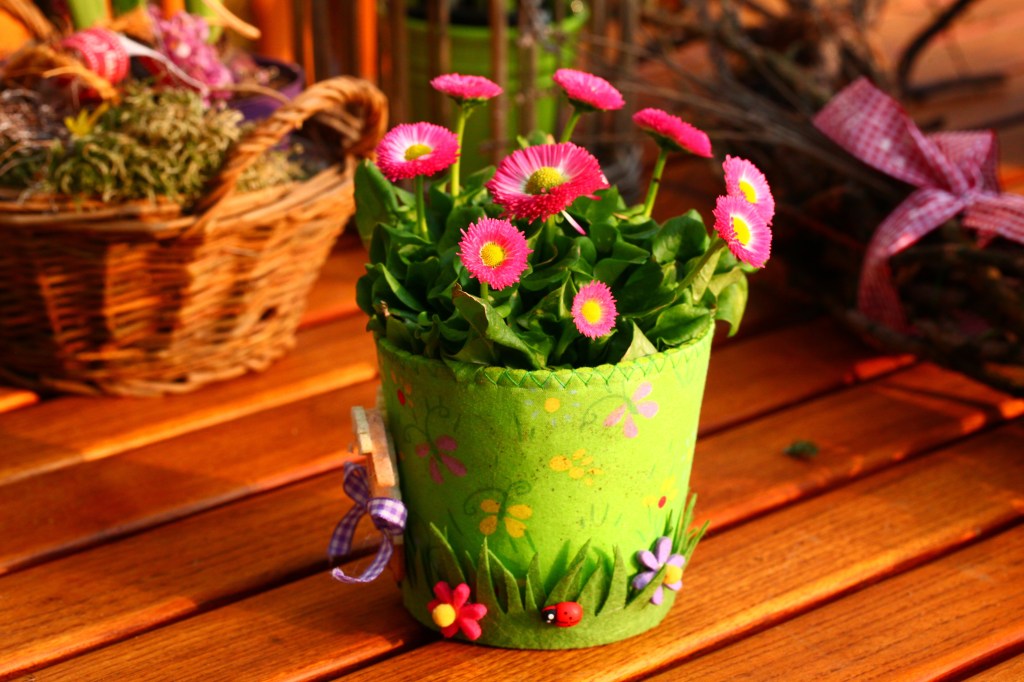
La primavera è una stagione di rinnovamento, che porta nuova energia e crescita. Il poema di Giovanni Pascoli, La Primavera, cattura questa essenza con immagini semplici ma potenti. Il cielo azzurro, l’aria fresca e i fiori che sbocciano riflettono la rinascita della natura e la gioia che porta ai nostri cuori.

Pascoli ci ricorda che la primavera è un periodo di speranza e trasformazione. Proprio come la natura si risveglia, anche noi abbiamo l’opportunità di nuovi inizi, sia nella vita personale, nelle relazioni o nelle esperienze di apprendimento. La primavera ci invita ad abbracciare il cambiamento, riconnetterci con la natura e trovare la bellezza nel mondo che ci circonda.

Mentre i fiori sbocciano e gli uccelli cantano, riflettiamo su come possiamo crescere ed evolverci, trovando gioia nelle piccole cose—proprio come Pascoli ci mostra così splendidamente.

“La Primavera” di Giovanni Pascoli

La Primavera
(Da Myricae)

Il cielo è tutto azzurro,
l’erba è tutta verde,
l’aria è tutta fresca
e il cuor mio è felice.

Nel campo si svegliano i fiori,
nel cielo cantano gli uccelli,
ogni angolo di terra
porta vita, speranza, gioia.

🇬🇧 The Beauty of Spring: A Poem and Reflection

Spring is a season of renewal, bringing fresh energy and growth. Giovanni Pascoli’s poem La Primavera captures this essence with simple yet powerful imagery. The blue sky, fresh air, and blooming flowers reflect nature’s rebirth, and the joy it brings to our hearts.

Pascoli reminds us that spring is a time of hope and transformation. Just as nature awakens, we too have the chance for new beginnings, whether in our personal lives, relationships, or learning experiences. Spring invites us to embrace change, reconnect with nature, and find beauty in the world around us.

As the flowers bloom and the birds sing, let us reflect on how we can grow and evolve, finding joy in the little things—just as Pascoli so beautifully depicts.

Spring (La Primavera) by Giovanni Pascoli
(From Myricae)

The sky is all blue,
the grass is all green,
the air is all fresh
and my heart is happy.

In the field, the flowers awaken,
in the sky, the birds sing,
every corner of the earth
brings life, hope, and joy.

🇪🇸 La Belleza de la Primavera: Una poesía y una Reflexión

La primavera es una estación de renovación, que trae nueva energía y crecimiento. La poesía de Giovanni Pascoli, La Primavera, captura esta esencia con imágenes simples pero poderosas. El cielo azul, el aire fresco y las flores que florecen reflejan el renacer de la naturaleza y la alegría que trae a nuestros corazones.

Pascoli nos recuerda que la primavera es un tiempo de esperanza y transformación. Al igual que la naturaleza despierta, nosotros también tenemos la oportunidad de nuevos comienzos, ya sea en nuestra vida personal, relaciones o experiencias de aprendizaje. La primavera nos invita a abrazar el cambio, reconectarnos con la naturaleza y encontrar belleza en el mundo que nos rodea.

Mientras las flores florecen y los pájaros cantan, reflexionemos sobre cómo podemos crecer y evolucionar, encontrando alegría en las pequeñas cosas—justo como Pascoli lo muestra tan hermosamente.

“La Primavera” de Giovanni Pascoli

La Primavera
(De Myricae)

El cielo está todo azul,
la hierba está toda verde,
el aire está todo fresco
y mi corazón está feliz.

En el campo despiertan las flores,
en el cielo cantan los pájaros,
cada rincón de la tierra
trae vida, esperanza, alegría.