Loukoumades: Greece’s Irresistible Golden Honey Doughnuts 🇬🇷🍯

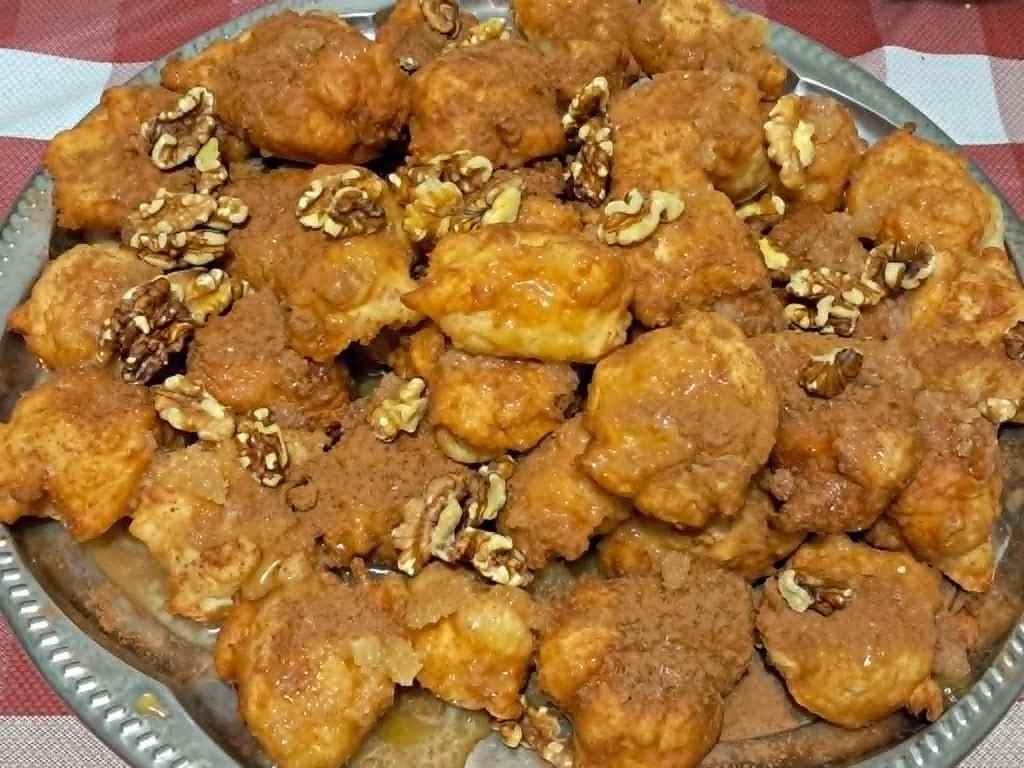
If you’ve ever visited Greece, chances are you’ve come across the irresistible aroma of freshly fried loukoumades. These tiny golden dough balls are crispy on the outside, light and airy on the inside, and traditionally drizzled with warm honey and sprinkled with cinnamon and chopped walnuts. Simple ingredients, timeless flavors, and pure comfort.

Loukoumades are one of Greece’s oldest desserts, with a history dating back thousands of years. Some historians even believe they were served to victorious athletes during the ancient Olympic Games. Today, they remain one of the country’s most beloved sweet treats, enjoyed at festivals, family gatherings, and neighborhood pastry shops.

A Dessert with Endless Variations

While the classic combination of honey and cinnamon remains the favorite for many Greeks, modern versions have become increasingly creative. You can now find loukoumades topped with:

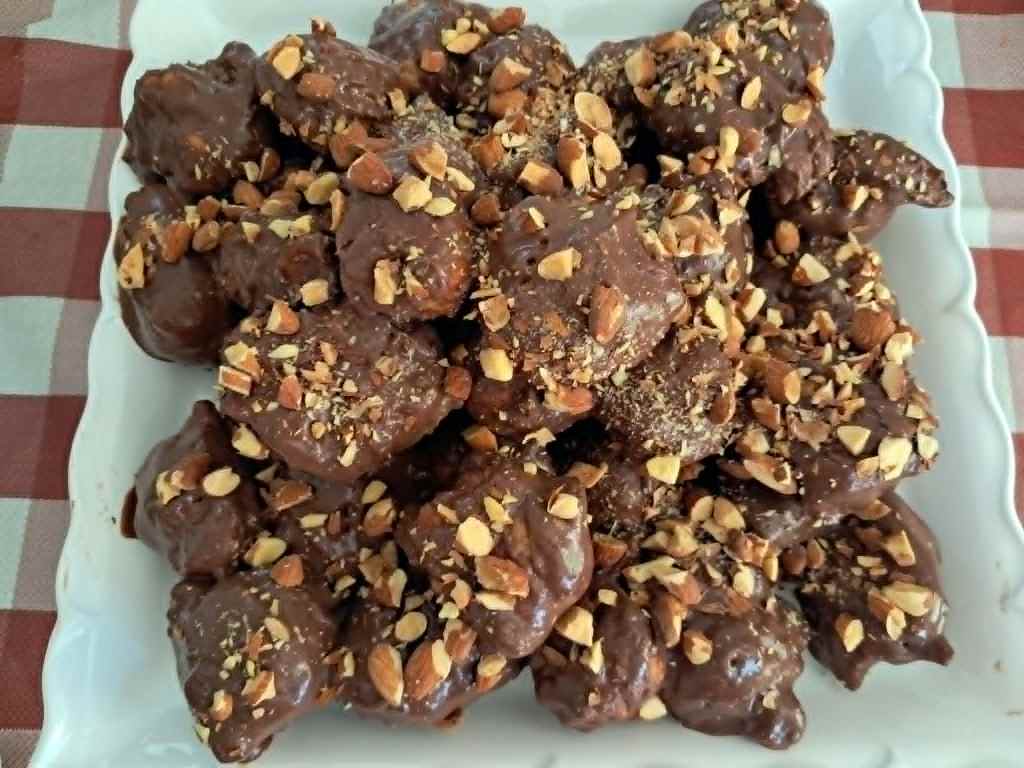
  • Melted dark or milk chocolate
  • Pistachio cream
  • Salted caramel
  • White chocolate
  • Crushed biscuits or cookies
  • Fresh berries and whipped cream
  • Ice cream
  • Toasted nuts and sesame seeds

Whether you prefer the traditional recipe or a more contemporary twist, loukoumades are always a crowd-pleaser and surprisingly easy to prepare once you learn the right technique.

The Secret Is in the Dough

Although the ingredient list is wonderfully simple—flour, yeast, water, a touch of sugar, and a pinch of salt—the real secret lies in preparing the dough correctly and frying it at the perfect temperature. Achieving that delicate balance between a crisp exterior and a fluffy interior is what transforms good loukoumades into unforgettable ones.

Like many traditional Greek recipes, mastering the small details makes all the difference.

Learn to Make Authentic Greek Loukoumades

If you’ve always wanted to recreate authentic Greek desserts at home, I’d love to help.

In my Greek cooking classes, you’ll learn not only how to prepare delicious loukoumades from scratch but also the techniques, traditions, and stories behind this iconic dessert. My classes are designed for cooks of all experience levels and focus on authentic family recipes that have been passed down through generations.

Depending on the class, you may also learn to prepare a complete Greek menu featuring classic dishes, homemade pastries, appetizers, breads, and desserts. My goal is to make Greek cooking approachable, enjoyable, and full of authentic Mediterranean flavors that you can easily recreate in your own kitchen.

Whether you’re a passionate home cook, planning a special gathering, or simply curious about Greek cuisine, my classes offer a fun and memorable culinary experience.

Discover More Authentic Greek Recipes

If you love Mediterranean food, be sure to explore the recipes, cooking tips, and blog articles throughout my website. You’ll find inspiration for everyday meals, festive dishes, traditional desserts, and seasonal Greek specialties—all created to help you bring the warmth and hospitality of Greece into your home.

Thank you for visiting, and I hope to welcome you to one of my Greek cooking classes soon.

Καλή όρεξη! (Enjoy your meal!)

☕ Coffee Culture Around the World: Italy, Spain, and the U.S. 🌎

Coffee is much more than a beverage. Across the world, it reflects local customs, daily routines, and social traditions. For language learners, exploring coffee culture offers a wonderful window into the values and lifestyles of different countries.

Let’s take a journey through three coffee-loving nations: Italy, Spain, and the United States.

🇮🇹 ITALY: THE ART OF SIMPLICITY

In Italy, coffee is a ritual woven into everyday life. Italians typically drink coffee standing at the bar, often in just a few minutes. The most common order is simply “un caffè,” which means an espresso.

One of the first surprises for visitors is that cappuccino is generally considered a breakfast drink. Ordering one after lunch or dinner may earn you a curious glance, although cafés are happy to serve it.

Italian coffee culture emphasizes quality, tradition, and efficiency. Rather than lingering for hours, people stop briefly to enjoy their espresso, exchange a few words with friends or the barista, and continue with their day.

Useful Italian coffee vocabulary:

• Caffè = Espresso
• Cappuccino = Espresso with steamed milk and foam
• Macchiato = Espresso “stained” with a little milk
• Bar = Coffee shop
• Cornetto = Italian breakfast pastry

🇪🇸 SPAIN: COFFEE AND CONVERSATION

In Spain, coffee is often linked to socializing. Cafés serve as gathering places where friends meet, colleagues chat, and families enjoy time together.

The variety of coffee drinks is impressive. A café solo resembles an espresso, while a café con leche combines coffee and milk in roughly equal parts. Depending on the region, you may discover local specialties and unique names.

Coffee breaks are an important part of the Spanish day. Many people enjoy coffee during breakfast, after lunch, or during the traditional afternoon pause. Sitting at an outdoor terrace with a coffee and good conversation is a beloved Spanish pastime.

Useful Spanish coffee vocabulary:

• Café solo = Espresso
• Café con leche = Coffee with milk
• Cortado = Espresso with a small amount of milk
• Terraza = Outdoor café seating
• Desayuno = Breakfast

🇺🇸 THE UNITED STATES: VARIETY AND PERSONAL CHOICE

American coffee culture is known for its diversity and customization. Coffee shops offer an enormous range of options, from classic drip coffee to cold brew, flavored lattes, and seasonal specialties.

Unlike the quick espresso stop common in Italy, many Americans enjoy taking their coffee to go or spending extended periods working, studying, or meeting friends in cafés. Coffee shops often function as community spaces and informal offices.

The rise of specialty coffee has also increased interest in coffee origins, roasting techniques, and brewing methods. Customers frequently personalize their drinks with different milks, flavors, and sweeteners.

Common American coffee terms:

• Drip coffee = Filtered coffee
• Latte = Espresso with steamed milk
• Cold brew = Coffee brewed with cold water over many hours
• To-go coffee = Coffee intended for takeaway
• Refill = Additional coffee, often at little or no extra cost

WHAT COFFEE CULTURE TEACHES LANGUAGE LEARNERS

Learning a language is not only about grammar and vocabulary. It is also about understanding the everyday habits that shape communication.

A simple coffee order can reveal cultural expectations, social norms, and even humor. Knowing when Italians drink cappuccino, how Spaniards enjoy long conversations over coffee, or why Americans appreciate customization helps learners connect more naturally with native speakers.

The next time you visit a café, try ordering in another language. You may discover that a cup of coffee can be one of the most enjoyable language lessons of all.

FINAL THOUGHT

Whether you’re sipping an espresso in Rome, enjoying a café con leche in Madrid, or carrying a latte down a busy American street, coffee tells a story about the people who drink it. For language learners, those stories offer a delicious way to explore culture, one cup at a time.

What is your favorite coffee drink, and have you ever tried ordering it in another language? Share your experience in the comments below!

Colomba Pasquale: A Sweet Italian Easter Tradition

La Pastiera Napoletana: Il Dolce di Pasqua per Eccellenza

Spending time in the kitchen is fun and therapeutic.