🎉🌞 June Festivals in Italy 🇮🇹 and Spain 🇪🇸 You Should Know About 🎭🎶

As summer begins, Italy and Spain come alive with vibrant festivals that celebrate history, faith, music, food, and community. These traditions offer a wonderful opportunity to learn more about the cultures behind the languages we study. Whether you are learning Italian, Spanish, or simply love exploring world cultures, June is a fascinating month filled with memorable celebrations.

Italy: A Month of Tradition and Community

The Feast of Saint John (Festa di San Giovanni)

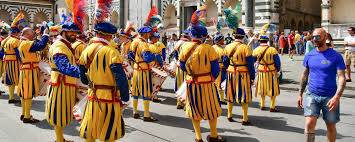
Celebrated on June 24, the Feast of Saint John honors Saint John the Baptist, the patron saint of several Italian cities, including Florence and Turin. The festivities often include religious processions, music, cultural events, and spectacular fireworks.

In Florence, locals gather along the Arno River to enjoy an evening of celebration that combines centuries-old traditions with modern festivities.

Infiorata Festivals

Throughout June, many Italian towns host Infiorata celebrations, where artists create intricate designs and religious images using flower petals. Streets become colorful carpets of flowers, attracting visitors from around the world.

The town squares are transformed into breathtaking works of art that demonstrate creativity, patience, and community spirit.

Summer Food Festivals (Sagre)

June marks the beginning of the season for local food festivals known as “sagre.” Villages celebrate regional specialties such as pasta, seafood, cherries, truffles, and local wines.

These events provide an authentic glimpse into Italian life, where food is not simply nourishment but a way to bring people together.

Spain: Celebrating Light, Fire, and Tradition

San Juan Festival

One of Spain’s most beloved June celebrations is the Night of San Juan, held on June 23rd and 24th. This midsummer festival welcomes the arrival of summer with bonfires, fireworks, music, and beach gatherings.

In coastal regions, people gather around large bonfires and participate in rituals believed to bring good luck, health, and prosperity. Many jump over small fires or make wishes as a symbolic way of leaving behind worries and welcoming new beginnings.

Corpus Christi Celebrations

Many Spanish cities celebrate Corpus Christi with elaborate processions, decorated streets, music, and traditional costumes. Some towns create beautiful floral carpets similar to Italy’s Infiorata traditions.

These celebrations highlight Spain’s rich cultural and religious heritage while bringing entire communities together.

Local Music and Cultural Festivals

Throughout June, Spanish cities host outdoor concerts, dance performances, and cultural events that showcase regional traditions. Flamenco performances, folk music, and community celebrations fill plazas and streets with energy and color.

Why Festivals Matter for Language Learners

Learning a language goes far beyond grammar and vocabulary. Festivals help us understand how people celebrate, connect with family, preserve traditions, and express their cultural identity.

By exploring festivals in Italy and Spain, students gain valuable cultural knowledge that enriches their language learning journey. Understanding traditions makes conversations more meaningful and helps learners appreciate the people behind the language.

Bring Culture Into Your Learning

One of the most enjoyable ways to learn Italian or Spanish is through culture. Reading about festivals, trying traditional recipes, listening to music, and learning holiday vocabulary can make language study more engaging and memorable.

This June, take a virtual trip to Italy or Spain and discover the traditions that make these countries so unique. You may find that culture is one of the best teachers of all.

Have you ever attended a festival in Italy or Spain? Share your experience in the comments below!

The Pantheon: A Masterpiece of Italian Architecture

Italy is a land where history and architecture intertwine to create some of the world’s most awe-inspiring structures. Among them, the Pantheon in Rome stands out as a true masterpiece of ancient engineering, timeless beauty, and cultural significance.
A Temple of All Gods
The word Pantheon comes from the Greek pan (all) and theos (god), meaning “temple of all gods.” Originally built around 27 BCE by Marcus Agrippa and later rebuilt by Emperor Hadrian around 118–125 CE after it was damaged by fire, the Pantheon is one of the best-preserved monuments of Ancient Rome.
Architectural Marvel
What makes the Pantheon truly extraordinary is its dome—a perfect hemisphere with a diameter of 43.3 meters (142 feet), which was the largest in the world for over 1,300 years and remains the largest unreinforced concrete dome to this day.
At the center of the dome is the oculus, a circular opening 8.2 meters wide that lets natural light (and sometimes rain) enter the building. This feature not only illuminates the interior but also symbolizes the connection between the heavens and earth.
From Pagan Temple to Christian Church
In 609 CE, the Pantheon was consecrated as a Christian church, dedicated to St. Mary and the Martyrs, which helped preserve it through centuries of political and religious change. Today, it’s not only a place of worship but also a resting place for Italian kings and the famous artist Raphael.
Why It Still Matters Today
The Pantheon is more than just a historic site—it’s a symbol of Roman ingenuity, a bridge between classical antiquity and modern architecture. Architects throughout history, from the Renaissance to the present day, have studied its proportions, symmetry, and beauty for inspiration.
Did You Know?
  • The Pantheon’s massive columns were imported from Egypt.
  • The building is so well-designed that rainwater drains through tiny holes in the floor.
  • Michelangelo called the Pantheon the work of angels, not of men.
Visit and Experience
Whether you’re in Italy as a tourist or a language student, a visit to the Pantheon is a must. It’s a chance to step into a building that has stood for nearly 2,000 years, and still welcomes people every day—just as it did in ancient times.
Interested in learning more about Italy’s rich culture and language?
Explore our courses and join a community passionate about Italian life, history, and beauty.
A presto!

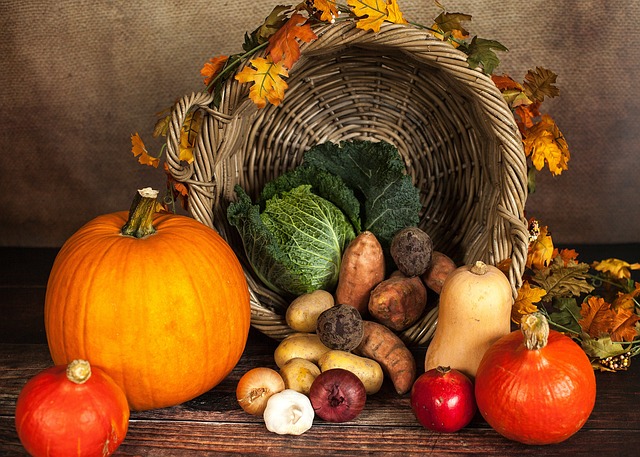
CULTURA: La Festa del Ringraziamento

First publication of this post: November 23, 2023.