Italy is a land where history and architecture intertwine to create some of the world’s most awe-inspiring structures. Among them, the Pantheon in Rome stands out as a true masterpiece of ancient engineering, timeless beauty, and cultural significance.
A Temple of All Gods
The word Pantheon comes from the Greek pan (all) and theos (god), meaning “temple of all gods.” Originally built around 27 BCE by Marcus Agrippa and later rebuilt by Emperor Hadrian around 118–125 CE after it was damaged by fire, the Pantheon is one of the best-preserved monuments of Ancient Rome.
Architectural Marvel
What makes the Pantheon truly extraordinary is its dome—a perfect hemisphere with a diameter of 43.3 meters (142 feet), which was the largest in the world for over 1,300 years and remains the largest unreinforced concrete dome to this day.
At the center of the dome is the oculus, a circular opening 8.2 meters wide that lets natural light (and sometimes rain) enter the building. This feature not only illuminates the interior but also symbolizes the connection between the heavens and earth.
From Pagan Temple to Christian Church
In 609 CE, the Pantheon was consecrated as a Christian church, dedicated to St. Mary and the Martyrs, which helped preserve it through centuries of political and religious change. Today, it’s not only a place of worship but also a resting place for Italian kings and the famous artist Raphael.
Why It Still Matters Today
The Pantheon is more than just a historic site—it’s a symbol of Roman ingenuity, a bridge between classical antiquity and modern architecture. Architects throughout history, from the Renaissance to the present day, have studied its proportions, symmetry, and beauty for inspiration.
Did You Know?
The Pantheon’s massive columns were imported from Egypt.
The building is so well-designed that rainwater drains through tiny holes in the floor.
Michelangelo called the Pantheon the work of angels, not of men.
Visit and Experience
Whether you’re in Italy as a tourist or a language student, a visit to the Pantheon is a must. It’s a chance to step into a building that has stood for nearly 2,000 years, and still welcomes people every day—just as it did in ancient times.
Interested in learning more about Italy’s rich culture and language? Explore our courses and join a community passionate about Italian life, history, and beauty.
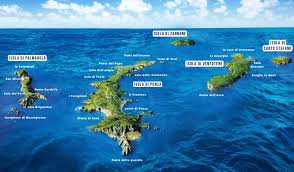
The Ponzian archipelago, located in the Tyrrhenian Sea in Italy, between the cities of Rome and Naples, consists of six and marvelous small islands highly visited by tourists from all over the world, especially in the summer season. Ponza, the largest of the islands, is considered the “Pearl of Rome.” Join us to discover the history, geography, culture, traditions, as well as the enchanting legends that identify the various islands through narrative, photos and videos. The course, which is highly communicative, fosters Italian conversation with other students in the class, promotes vocabulary development and allows review of past tense verbs. *Didactic materials will be distributed weekly. *Bonus: Tasting of a traditional dessert.
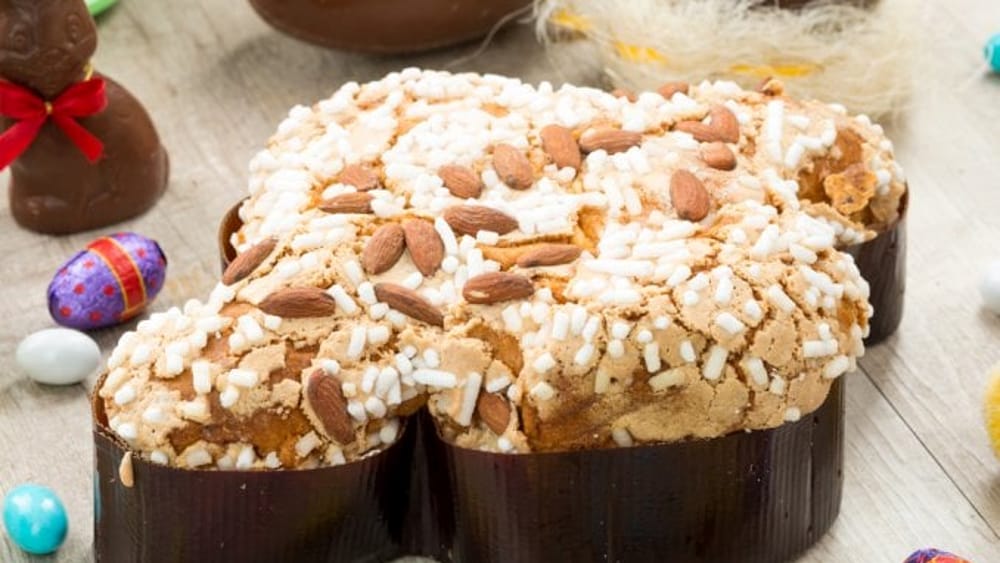
The “colomba pasquale” or Easter dove is a traditional Italian dessert from Lombardy, a region in northern Italy. The origins of this delicious dessert are quite remote. It is a sweet bread made with flour, sugar, eggs, butter, yeast, salt and candied orange peel. The surface is covered with a sugar and almond glaze. There are also other variations with fillings of creams, jams or chocolate. The dough is molded into the shape of a dove. Its shape symbolizes peace, love and also the Resurrection of Jesus Christ. The Easter dove is eaten on the occasion of the Easter holiday. It is an absolute must-have dessert on Italian tables, not only in Italy but also abroad.
La “colomba pasquale” o paloma de Pascua es un pastel tradicional italiano de la región septentrional italiana de Lombardía. Los orígenes de este delicioso pastel son bastante remotos. Es un pan dulce elaborado con harina, azúcar, huevos, mantequilla, levadura, sal y cáscara de naranja caramelizada. La superficie se cubre con un glaseado de azúcar y almendra. También existen otras variantes con relleno de nata, mermelada o chocolate. La masa se moldea en forma de paloma. Su forma simboliza la paz, el amor y también la Resurrección de Jesucristo. La paloma de Pascua se come el día de la Santa Pascua. Es un dulce que no puede faltar en las mesas italianas, no sólo en Italia sino también fuera de Italia.
La colomba pasquale è un dolce tradizionale della Lombardia, regione dell’Italia settentrionale. Le origini di questo delizioso dolce sono piuttosto remote. Si tratta di un pane dolce preparato con farina, zucchero, uova, burro, lievito, sale e scorza d’arancia candita. La superficie è ricoperta da una glassa di zucchero e mandorle. Esistono anche varianti con ripieno di crema, marmellata o cioccolato. L’impasto viene modellato a forma di colomba. La sua forma simboleggia la pace, l’amore e anche la Resurrezione di Gesù Cristo. La colomba pasquale si mangia il giorno di Pasqua. È un dolce immancabile sulle tavole italiane, non solo in Italia ma anche all’estero.
Maschere di Carnevale Quante maschere per via: che fracasso, che allegria! Arlecchino multicolore è sempre di buon umore; il suo amico Brighella non ha soldi nella scarsella; Pulcinella si consola: suona la mandola. Di Milano è Meneghino e Gianduia di Torino; Stenterello è toscano, Rugantino romano. Avaro è Pantalone, superbo Balanzone. Graziosa e birichina, con Rosaura va Colombina. Tante altre mascherine, eleganti e chiacchierine, vanno a spasso in compagnia: che fracasso, che allegria! Carla Piccinini
Gli Italiani si distinguono nel mondo per il loro buon cuore, la generosità e l’educazione. Il buon esempio non viene insegnato ai giovani con la parola ma attraverso le azioni dei grandi. Gli adulti della famiglia sono molto ospitali; accolgono volentieri le persone che si presentano a casa. La buona compagnia ed il rispetto sono sacri. L’ospitalità è completamente gratuita, sia per pernottare che per il consumo di bevande e cibo. In qualsiasi momento c’è sempre tempo per due chiacchiere e un caffè servito con cioccolatini o pasticcini. Non sono da escludere inviti a pranzo o a cena. Durante le feste gli Italiani condividono le loro squisite elaborazioni culinarie con i parenti e gli amici. La generosità degli Italiani non è limitata a quanto già detto. Durante i periodi di raccolta con molto piacere distribuiscono i loro prodotti agricoli, marmellate e vino sia ai parenti che ai vicini e agli amici più stretti. Gli Italiani ci tengono tanto alla “bella figura”. Non è considerato norma di buona educazione presentarsi a mani vuote a casa di qualcuno, e sono sempre pronti a ricambiare i regali ricevuti. Queste tradizioni e modi di fare sono valori che distinguono la cultura italiana, non solo in Italia ma anche all’estero.
Los italianos se destacan en el mundo por su buen corazón, su generosidad y su educación. El buen ejemplo no se enseña a los jóvenes con palabras, sino con hechos. Los adultos de la familia son muy hospitalarios; acogen a la gente que viene a su casa. La buena compañía y el respeto son sagrados. La hospitalidad es totalmente gratuita, tanto para pernoctar como para consumir bebidas y alimentos. En cualquier momento siempre hay tiempo para una charla y un café servido con bombones o pasteles. No se excluyen las invitaciones a comer o cenar. Durante las fiestas, los italianos comparten sus exquisitas elaboraciones culinarias con familiares y amigos. La generosidad de los italianos no se limita a lo anterior. En épocas de cosecha reparten con gusto sus productos agrícolas, mermeladas y vino entre parientes, vecinos y amigos íntimos. Los italianos se preocupan mucho por la «bella figura». No se considera de buena educación presentarse con las manos vacías en casa de alguien, y siempre están dispuestos a corresponder a los regalos recibidos. Estas tradiciones y modales son valores que distinguen a la cultura italiana, no sólo en Italia sino también en el extranjero.
Italians stand out in the world for their good hearts, generosity and education. Good example is taught to young people not through words but through actions. The adults in the family are very hospitable; they gladly welcome people to their homes. Good company and respect are sacred. Hospitality is completely free, both for staying overnight and for drinking and eating. At any time there is always time for a chat and coffee served with chocolates or pastries. Invitations for lunch or dinner are not to be excluded. During the holidays Italians share their exquisite culinary elaborations with relatives and friends. The generosity of Italians is not limited to what has already been mentioned. During harvest times with great pleasure they distribute their agricultural products, jams and wine to both relatives and neighbors and close friends. Italians care so much about “good looks.” It is not considered a norm of good manners to show up empty-handed at someone’s home, and they are always ready to reciprocate gifts received. These traditions and manners are values that distinguish Italian culture, not only in Italy but also abroad.
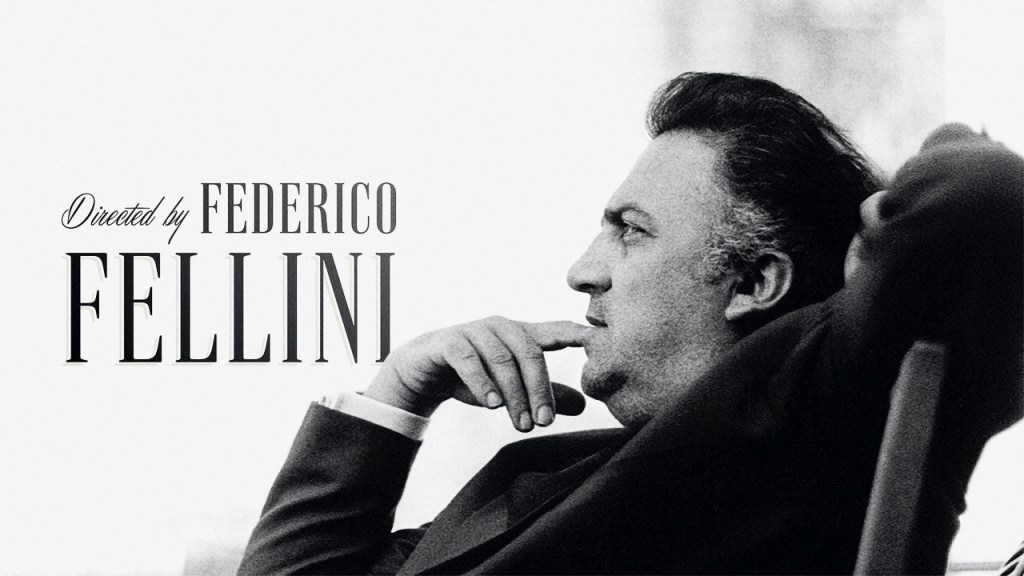
Federico Fellini (1920-1993) è considerato uno dei più grandi registi della storia del cinema, non solo in Italia, ma in tutto il mondo. Il suo stile cinematografico, definito “fantarealismo”, si è distinto per la capacitàdi combinare immagini realistiche e fantastiche. Fellini ha vinto numerosi premi, tra cui diversi Oscar, una coppia di David di Donatello e una Palma d’Oro.
Federico Fellini (1920-1993), is considered one of the greatest directors in the history of cinema, not only in Italy, but worldwide. His cinematographic style, defined as “fantarealism”, distinguished him by demonstrating his ability to combine realistic images with fantasy ones. Fellini won several awards, including several Oscars, a couple of David di Donatello and a Palme D’Or.
Federico Fellini (1920-1993), está considerado uno de los más grandes directores de la historia del cine, no sólo en Italia, sino en todo el mundo.Su estilo cinematográfico, definido como «fantarealismo», le distinguió al demostrar su habilidad para combinar imágenes realistas con otras de fantasía. Fellini ganó varios premios, entre ellos varios Oscar, un par de David di Donatello y una Palma de Oro.
*Enroll in “Italian Cinema” course with Maria to improve your Italian language skills.
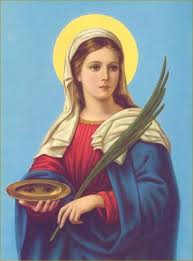
Santa Lucía, virgen y mártir, nació en Siracusa (Sicilia), hacia finales del siglo III d.C., en el seno de una familia rica y noble. A raíz de su fe y de la recuperación de su madre, decidió distribuir toda su dote entre los pobres y consagrarse a Dios. Debido a su fe inquebrantable, fue brutalmente asesinada el 13 de diciembre de 304 durante la persecución de los cristianos bajo el emperador Diocleciano. La fiesta de Santa Lucía es una festividad muy conocida en los países de creencia católica. La Santa, representada como una doncella de rara belleza con ojos azules, es una de las santas más queridas y veneradas como protectora de los ojos y la vista. Lucía deriva del latín lux y significa luz. Son muchas las personas que llevan su nombre. El nombre contiene una referencia simbólica a la luz y como guía en el camino espiritual hacia la Natividad de Jesús y la verdad.
Santa Lucia, vergine e martire, nacque a Siracusa (Sicilia), verso la fine del terzo secolo d.C., da una ricca e nobile famiglia. In seguito alla sua fede e all’avvenuta guarigione della madre, decise di distribuire tutta la sua dote ai poveri e di consacrarsi a Dio. La ragazza, per la sua fede incrollabile, fu brutalmente uccisa il 13 dicembre del 304 durante la persecuzione dei cristiani sotto l’imperatore Diocleziano. La festa di Santa Lucia è una festività molto nota nei paesi di credenza cattolica. La Santa raffigurata come una fanciulla di rara bellezza con gli occhi azzurri, è una delle sante più amate e venerate come protettrice degli occhi e della vista. Lucia deriva dal latino lux e significaluce. Tante sono le persone che portano il suo nome. Nel nome è contenuto un riferimento simbolico alla luce e come guida del cammino spirituale verso la Natività di Gesù e la verità.
St. Lucy, virgin and martyr, was born in Syracuse, Sicily, towards the end of the third century AD, to a wealthy and noble family. As a result of her faith and her mother’s recovery, she decided to distribute her entire dowry to the poor and consecrate herself to God. Because of her unwavering faith, she was brutally murdered on Dec. 13, 304, during the persecution of Christians under Emperor Diocletian. The feast of St. Lucy is a well-known holiday in countries of Catholic belief. The saint depicted as a girl of rare beauty with blue eyes, is one of the most beloved and venerated saints as the patron saint of eyes and sight. Lucia comes from the Latin word lux and means light. So many people are named after her. Contained in the name is a symbolic reference to light and as a guide on the spiritual path to the Nativity of Jesus and the truth.
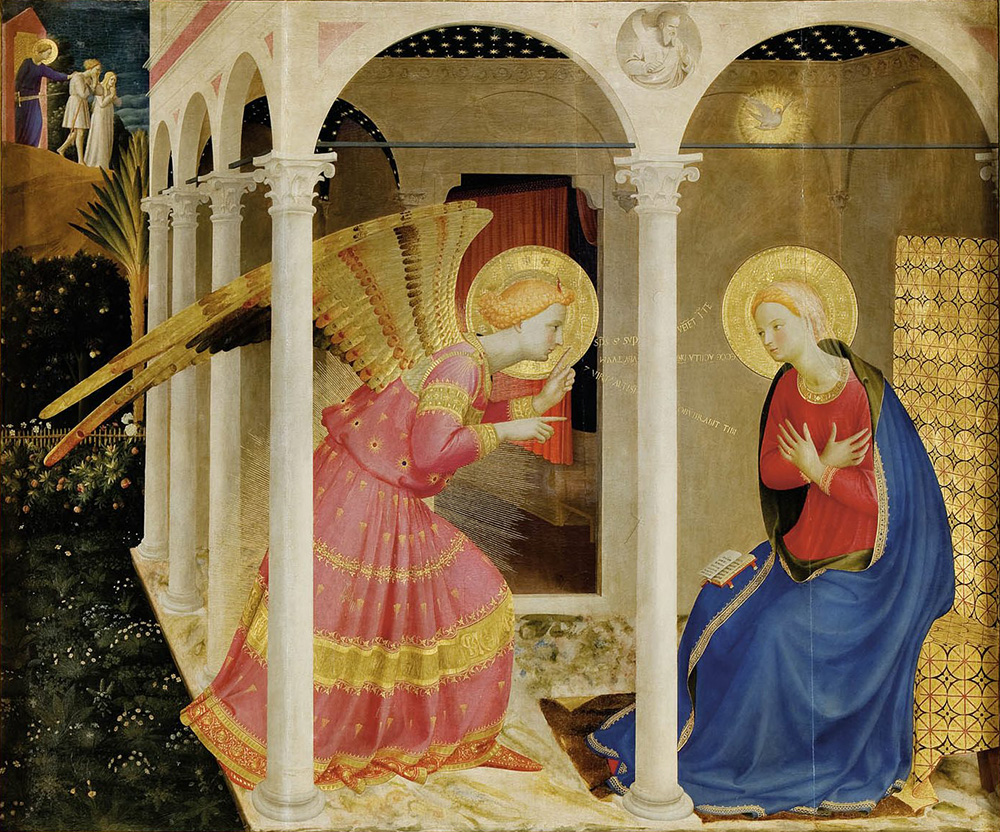
The Annunciation (1432-1434), is an extraordinary work of art composed by Fra Angelico (1400 ca. -1455), one of the most distinguished Italian painters of the 15th century. The scene, religious in nature, depicts the Archangel Gabriel’s announcement that Mary would conceive the son of God. Fra Angelico’s perfect and meticulous style shows us that every form is clear and realistic. The strong light used in the painting eliminates the shadows. Every color of the composition is bright and shimmering.
La Anunciación (1432-1434), es una extraordinaria obra de arte compuesta por Fra’ Angelico (1400 ca. -1455), uno de los pintores italianos más destacados del siglo XV. La escena, de carácter religioso, representa el anuncio del arcángel Gabriel de que María concebirá el hijo de Dios. El estilo perfecto y meticuloso de Fra’ Angelico nos muestra que cada forma es clara y realista. La fuerte luz utilizada en el panel elimina las sombras. Todos los colores de la composición son brillantes y resplandecientes.
L’Annunciazione (1432-1434) è una straordinaria opera d’arte composta da Fra’ Angelico (1400 ca.-1455), uno dei più illustri pittori italiani del XV secolo. La scena, di carattere religioso, raffigura l’annuncio dell’Arcangelo Gabriele che Maria concepirà il figlio di Dio. Lo stile perfetto e meticoloso di Fra’ Angelico ci mostra che ogni forma è chiara e realistica. La forte luce utilizzata elimina le ombre. Ogni colore della composizione risulta luminoso e scintillante.
*Para saber más, inscríbete en los cursos de Lengua y Arte con María. *To learn more, enroll in Language and Art courses with Maria.
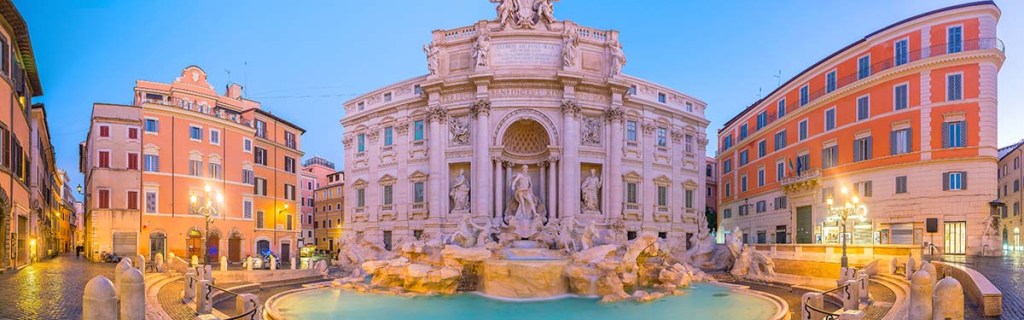
La Fontana de Trevi está ubicada en el distrito del Quirinal en Roma y es conocida como una de las fontanas más espectaculares del mundo del periodo barroco. Inicialmente La Fontana de Trevi fue diseñada por Gian Lorenzo Bernini para el Papa Clemente XII. Sin embargo, se construyó años después (1732 a 1762), gracias al arquitecto Nicola Salvi. La Fontana se encuentra en la confluencia de tres calles. Estas tres calles (tre vie) dan a la Fontana de Trevi su nombre, la Fontana de las Tres Calles. En el centro, bajo el arco, se alza la estatua del dios náutico Neptuno, arrastrado hacia el mar en su carro en forma de concha tirado por dos caballos alados y tritones (jóvenes dioses del mar). Uno de los caballos es tranquilo y obediente, el otro es bullicioso. Simbolizan las mareas cambiantes del mar.
La Fontana de Trevi utiliza mucha agua. Según la leyenda, una moneda depositada en el agua asegura el regreso a Roma. Si buscas el amor, puedes lanzar una segunda moneda. La Fontana de Trevi se puede visitar tanto de día como de noche, cuando resplandece con una hermosa iluminación. La fama de la fuente se debe en parte a las numerosas películas, entre ellas La Dolce Vita (1960) por Federico Fellini.




 Maria Conte Programs