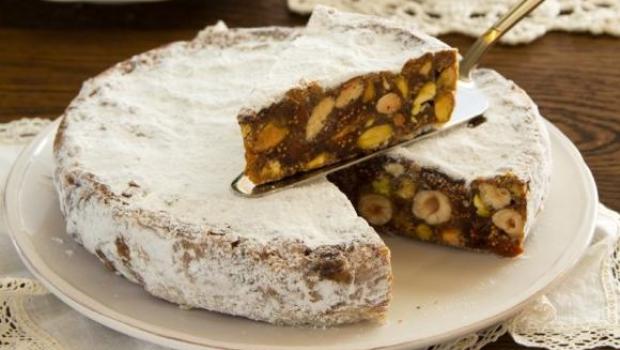
L’Italia è ricca di tradizioni culinarie. Ogni ricetta, unica e speciale, rispecchia l’identità della propria regione sia a carattere culturale che storico. Il Panforte di Siena è un dolce natalizio di un gusto distinto e raffinato. Di forma rotonda, il dolce viene preparato con un miscuglio di ingredienti a base di farina, frutta secca (nocciole, mandorle, fichi, albicocche, frutta candita), zucchero, cacao, miele e un assortimento di spezie e odori. A cottura ultimata viene spolverato con dello zucchero a velo. Questo dolce squisito non può assolutamente mancare a tavola durante le feste di Natale.
Italia es rica en tradiciones culinarias. Cada receta, única y especial, refleja la identidad de su región tanto cultural como desde el punto de vista histórico. El Panforte di Siena es un pastel navideño de sabor único y refinado. De forma redonda, el pastel se prepara con una mezcla de ingredientes a base de harina, frutas secas (avellanas, almendras, higos, albaricoques, fruta confitada), azúcar, cacao, miel y un surtido de especias y condimentos. Una vez horneado, se espolvorea con azúcar en polvo. Este exquisito pastel no puede faltar en la mesa navideña.
Italy is rich in culinary traditions. Each recipe, unique and special, reflects the identity of its region both culturally and historically. Panforte di Siena is a Christmas cake with a unique and refined taste. Round in shape, the cake is prepared with a mixture of ingredients made from flour, dried fruit (hazelnuts, almonds, figs, apricots, candied fruit), sugar, cocoa, honey, and an assortment of spices and flavorings. When baked, it is dusted with powdered sugar. This delicious dessert is a must-have at the table during the Christmas holidays.
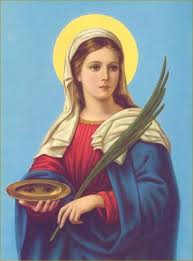
Santa Lucía, virgen y mártir, nació en Siracusa (Sicilia), hacia finales del siglo III d.C., en el seno de una familia rica y noble. A raíz de su fe y de la recuperación de su madre, decidió distribuir toda su dote entre los pobres y consagrarse a Dios. Debido a su fe inquebrantable, fue brutalmente asesinada el 13 de diciembre de 304 durante la persecución de los cristianos bajo el emperador Diocleciano. La fiesta de Santa Lucía es una festividad muy conocida en los países de creencia católica. La Santa, representada como una doncella de rara belleza con ojos azules, es una de las santas más queridas y veneradas como protectora de los ojos y la vista. Lucía deriva del latín lux y significa luz. Son muchas las personas que llevan su nombre. El nombre contiene una referencia simbólica a la luz y como guía en el camino espiritual hacia la Natividad de Jesús y la verdad.
Santa Lucia, vergine e martire, nacque a Siracusa (Sicilia), verso la fine del terzo secolo d.C., da una ricca e nobile famiglia. In seguito alla sua fede e all’avvenuta guarigione della madre, decise di distribuire tutta la sua dote ai poveri e di consacrarsi a Dio. La ragazza, per la sua fede incrollabile, fu brutalmente uccisa il 13 dicembre del 304 durante la persecuzione dei cristiani sotto l’imperatore Diocleziano. La festa di Santa Lucia è una festività molto nota nei paesi di credenza cattolica. La Santa raffigurata come una fanciulla di rara bellezza con gli occhi azzurri, è una delle sante più amate e venerate come protettrice degli occhi e della vista. Lucia deriva dal latino lux e significaluce. Tante sono le persone che portano il suo nome. Nel nome è contenuto un riferimento simbolico alla luce e come guida del cammino spirituale verso la Natività di Gesù e la verità.
St. Lucy, virgin and martyr, was born in Syracuse, Sicily, towards the end of the third century AD, to a wealthy and noble family. As a result of her faith and her mother’s recovery, she decided to distribute her entire dowry to the poor and consecrate herself to God. Because of her unwavering faith, she was brutally murdered on Dec. 13, 304, during the persecution of Christians under Emperor Diocletian. The feast of St. Lucy is a well-known holiday in countries of Catholic belief. The saint depicted as a girl of rare beauty with blue eyes, is one of the most beloved and venerated saints as the patron saint of eyes and sight. Lucia comes from the Latin word lux and means light. So many people are named after her. Contained in the name is a symbolic reference to light and as a guide on the spiritual path to the Nativity of Jesus and the truth.
Le mandorle contengono molti nutrienti e offrono numerosi benefici per la salute. Esse costituiscono un’ottima fonte di proteine, fibre, vitamina E e altri antiossidanti per il nostro corpo. Alcuni benefici: Le mandorle abbassano il livello degli zuccheri nel sangue; riducono la pressione sanguigna; contribuiscono alla riduzione del colesterolo cattivo; favoriscono la salute delle ossa; ottimizzano le funzioni dell’intestino e del cervello; aiutano a prevenire il declino cognitivo. Le mandorle possono essere consumate sia crude che tostate. In pasticceria sono un ingrediente eccellente per l’elaborazione di squisite torte e dolci.
Almonds contain many nutrients and offer numerous health benefits. They are an excellent source of protein, fiber, vitamin E and other antioxidants for our bodies. Some benefits: Almonds lower blood sugar levels; reduce blood pressure; help reduce bad cholesterol; promote bone health; optimize bowel and brain function; and help prevent cognitive decline. Almonds can be consumed either raw or roasted. In baking, they are an excellent ingredient for making delicious cakes and desserts.
Las almendras contienen muchos nutrientes y ofrecen numerosos beneficios para la salud. Son una excelente fuente de proteínas, fibra, vitamina E y otros antioxidantes para nuestro organismo. Algunos beneficios: Las almendras reducen los niveles de azúcar en sangre; reducen la presión arterial; ayudan a reducir el colesterol malo; favorecen la salud ósea; optimizan la función intestinal y cerebral; ayudan a prevenir el deterioro cognitivo. Las almendras pueden comerse crudas o tostadas. En repostería, son un ingrediente excelente para elaborar deliciosos pasteles y tartas.
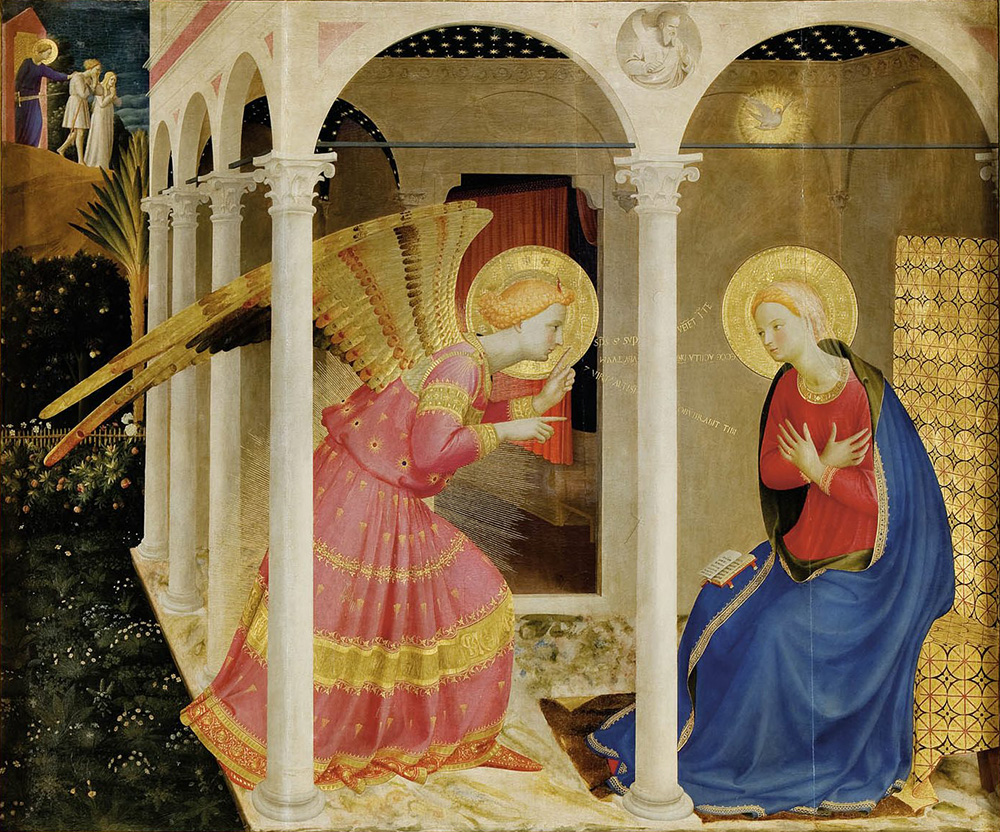
The Annunciation (1432-1434), is an extraordinary work of art composed by Fra Angelico (1400 ca. -1455), one of the most distinguished Italian painters of the 15th century. The scene, religious in nature, depicts the Archangel Gabriel’s announcement that Mary would conceive the son of God. Fra Angelico’s perfect and meticulous style shows us that every form is clear and realistic. The strong light used in the painting eliminates the shadows. Every color of the composition is bright and shimmering.
La Anunciación (1432-1434), es una extraordinaria obra de arte compuesta por Fra’ Angelico (1400 ca. -1455), uno de los pintores italianos más destacados del siglo XV. La escena, de carácter religioso, representa el anuncio del arcángel Gabriel de que María concebirá el hijo de Dios. El estilo perfecto y meticuloso de Fra’ Angelico nos muestra que cada forma es clara y realista. La fuerte luz utilizada en el panel elimina las sombras. Todos los colores de la composición son brillantes y resplandecientes.
L’Annunciazione (1432-1434) è una straordinaria opera d’arte composta da Fra’ Angelico (1400 ca.-1455), uno dei più illustri pittori italiani del XV secolo. La scena, di carattere religioso, raffigura l’annuncio dell’Arcangelo Gabriele che Maria concepirà il figlio di Dio. Lo stile perfetto e meticoloso di Fra’ Angelico ci mostra che ogni forma è chiara e realistica. La forte luce utilizzata elimina le ombre. Ogni colore della composizione risulta luminoso e scintillante.
*Para saber más, inscríbete en los cursos de Lengua y Arte con María. *To learn more, enroll in Language and Art courses with Maria.
La Festa del Ringraziamento festeggiata annualmente negli Stati Uniti d’America durante il periodo autunnale, ci ricorda la prima raccolta agricola dei Pellegrini avvenuta nel Nuovo Mondo e il superamento del primo inverno a Plymouth.
Chi sono i Pellegrini? I Pellegrini, gruppi di famiglie inglesi, viaggiarono con la nave Mayflower per poco più di due mesi, per colonizzare il nuovo paese americano. La nave approdó nelle vicinanze del Cape Cod, nello Stato del Massachusetts. Solo la metà dei viaggiatori sopravvisse durante il duro percorso.
I Pellegrini appresero molto dai nativi Indiani per ambientarsi e poter sopravvivere nella nuova terra, sia per far fronte alle brusche temperature climatiche che per la coltivazione dei campi. I Pellegrini e gli Indiani festeggiarono insieme per alcuni giorni, per ringraziare Dio, nel Novembre del 1621.
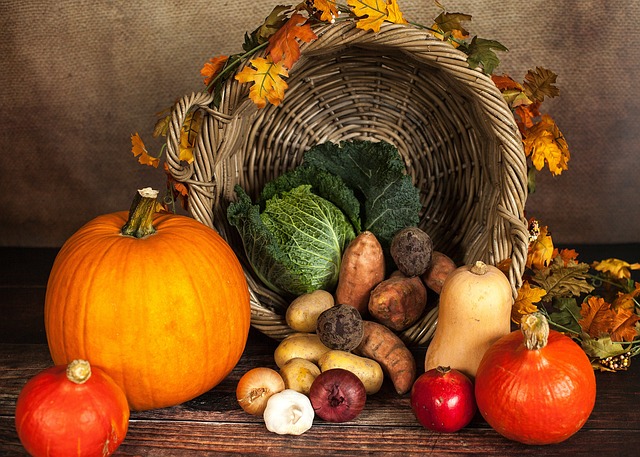
Il Presidente George Washington fu il primo a proclamare la Festa del Ringraziamento come festa nazionale nel 1789. Nel corso degli anni si sono verificate modifiche nella preparazione dei piatti, da semplici a più elaborati. Il tacchino farcito, immancabile, occupa il centrotavola; viene consumato insieme ad una varietà di verdure e frutta stagionali (zucche, mirtilli, patate, patate dolci, granturco, cavolini, mele, pere, arance). Rilevanti sono sia le salse che i dolci e le bevande, tutti preparati con creatività, passione e amore. Questo giorno particolare invita al riposo e alla riflessione sulla gratitudine. La giornata viene trascorsa con i membri della propria famiglia e gli amici più stretti.
The Thanksgiving Feast celebrated annually in the United States of America, during the fall season, reminds us of the first agricultural harvest of the Pilgrims that occurred in the New World and the overcoming of the first winter in Plymouth.
Who are the Pilgrims? The Pilgrims, groups of English families, traveled with the ship Mayflower for just over two months to colonize the new American country. The ship landed in the vicinity of Cape Cod in the state of Massachusetts. Only half of the travelers survived during the arduous journey.
The Pilgrims learned much from the native Indians about acclimatizing and being able to survive in the new land, both coping with the abrupt climatic temperatures and cultivating the fields. The Pilgrims and Indians celebrated together for a few days to give thanks to God in November 1621.
President George Washington was the first to proclaim Thanksgiving as a national holiday in 1789. Over the years there have been changes in the preparation of dishes, from simple to more elaborate. The ever-present stuffed turkey occupies the centerpiece; it is eaten along with a variety of seasonal vegetables and fruits (pumpkins, berries, potatoes, sweet potatoes, corn, sprouts, apples, pears, oranges). Relevant are sauces, desserts and drinks, all prepared with creativity, passion and love. This particular day invites rest and reflection on gratitude. The day is spent with family members and close friends.
La fiesta de Acción de Gracias, que se celebra anualmente en los Estados Unidos de América durante la estación otoñal, nos recuerda la primera cosecha agrícola de los Peregrinos en el Nuevo Mundo y el paso del primer invierno en Plymouth.
¿Quiénes son los Peregrinos? Los Peregrinos, un grupo de familias inglesas, viajaron en el barco Mayflower durante algo más de dos meses para colonizar el nuevo país americano. El barco desembarcó cerca de Cape Cod, en el estado de Massachusetts. Sólo la mitad de los viajeros sobrevivió al duro viaje.
Los Peregrinos aprendieron mucho de los Indios nativos para aclimatarse y sobrevivir en la nueva tierra, tanto para hacer frente a las abruptas temperaturas climáticas como para cultivar los campos. Los Peregrinos y los Indios celebraron juntos durante unos días para dar gracias a Dios en noviembre de 1621.
El Presidente George Washington fue el primero en proclamar Acción de Gracias como fiesta nacional en 1789. A lo largo de los años, ha habido cambios en la preparación de los platos, desde los más sencillos a los más elaborados. El inevitable pavo relleno ocupa el centro de la mesa; se come junto con una variedad de verduras y frutas de temporada (calabazas, arándanos, patatas, boniatos, maíz, coles, manzanas, peras, naranjas). Tanto las salsas como los postres y las bebidas son relevantes; todo ello preparado con creatividad, pasión y amor. Este día en particular invita al descanso y a la reflexión sobre la gratitud. El día se pasa con familiares y amigos íntimos.
First publication of this post: November 23, 2023.
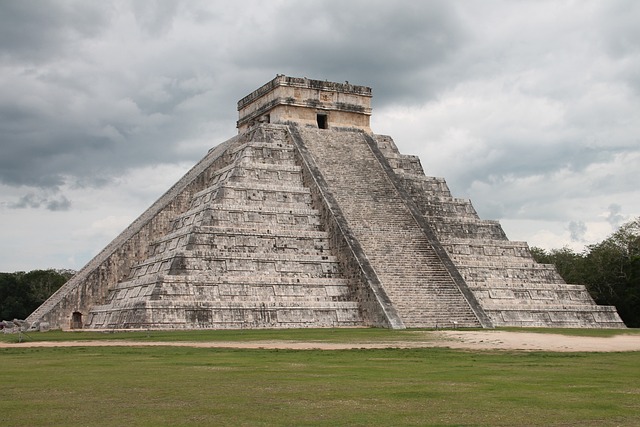
I Maya, una delle più brillanti culture indigene delle Americhe, svilupparono la loro civiltà in due periodi: l’Antico Impero (Preclassico), dal III al IX secolo d.C., e il Nuovo Impero (Classico), dal IX al XIV secolo. Durante il primo periodo i Maya abitarono parte dell’Honduras e gli altopiani del Guatemala. Il Nuovo Impero Classico fiorì soprattutto nello Yucatan. Il progresso dei Maya è visibile nel loro calendario. I codici rivelano un tipo di scrittura geroglifica. Le rovine dei centri religiosi danno un’idea della maestria raggiunta nella costruzione di grandi edifici, templi e palazzi.
Los Mayas, una de las culturas indígenas más brillantes de América, desarrollaron su civilización en dos períodos: el Imperio Antiguo (Preclásico), del siglo III al IX d.C., y el Imperio Nuevo (Clásico), del siglo IX al XIV. Durante el primer período, los Mayas habitaron partes de Honduras y las tierras altas de Guatemala. El Imperio Nuevo Clásico floreció principalmente en Yucatán. El progreso de los Mayas es visible en su calendario. Los códices revelan un tipo de escritura jeroglífica. Las ruinas de centros religiosos dan idea de la maestría alcanzada en la construcción de grandes edificios, templos y palacios.
The Maya, one of the most brilliant indigenous cultures in the Americas, developed their civilization in two periods: the Old Empire (Preclassic), from the third to the ninth century A.D., and the New Empire (Classic), from the ninth to the fourteenth century. During the first period the Maya inhabited parts of Honduras and the highlands of Guatemala. The New Classic Empire flourished mainly in Yucatan. The progress of the Maya is visible in their calendar. The codices reveal a type of hieroglyphic writing. The ruins of religious centers give an idea of the mastery achieved in the construction of great buildings, temples and palaces.
Niccolò Paganini, era un musicista e compositore italiano. Dagli esperti è stato considerato il padre della moderna tecnica violinistica. Grazie alle sue straordinarie capacità tecniche e musicali, la sua carriera concertistica si distinse sia in Italia che all’estero, riscuotendo ammirazione e onori.
Tra le caratteristiche speciali che ancora oggi lo differenziano emergono le novità, l’armonia, il ritmo, le trovate strumentali e soprattutto l’eleganza. Paganini è stato identificato come il miglior violinista di tutti i tempi.
Niccolò Paganini, fue un músico y compositor italiano. Los expertos lo consideran el padre de la técnica moderna del violín. Gracias a sus extraordinarias dotes técnicas y musicales, su carrera concertística se distinguió tanto en Italia como en el extranjero, cosechando admiración y honores.
Entre las características especiales que aún hoy le distinguen se encuentran la novedad, la armonía, el ritmo, los trucos instrumentales y, sobre todo, la elegancia. Paganini ha sido identificado como el mejor violinista de todos los tiempos.
Niccolò Paganini, was an Italian musician and composer. He was considered by experts to be the father of modern violin technique. Thanks to his extraordinary technical and musical abilities, his concert career was distinguished both in Italy and abroad, earning admiration and honors.
Among the special characteristics that still differentiate him today are novelty, harmony, rhythm, instrumental gimmicks, and above all elegance. Paganini has been identified as the best violinist of all time.
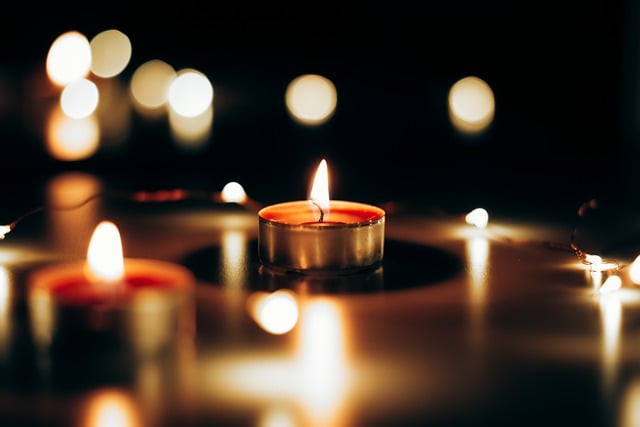
Il Due Novembre è il giorno dedicato alla Commemorazione dei nostri cari Defunti. Essa è una ricorrenza della Chiesa cattolica e in Italia si celebra lo stesso giorno di ogni anno. Per celebrare i cari Defunti è consuetudine visitare i cimiteri e addobbare le tombe con fiori e lumini. I fiori tipici sono i crisantemi in una varietà di colori e dimensioni. Seguendo un’antica tradizione, in alcuni paesi è anche popolare la credenza che durante la notte i defunti della famiglia lascino dei regalini per bambini. In diverse località italiane è diffusa l’usanza di preparare alcuni dolciumi, chiamati appunto Dolci dei Morti.
El Dos de Noviembre es el día dedicado a la Conmemoración de nuestros queridos Difuntos. Es una fiesta de la Iglesia católica y en Italia se celebra todos los años el mismo día. Para celebrar a los Difuntos, es costumbre visitar los cementerios y decorar las tumbas con flores y velas. Las flores típicas son los crisantemos, de diversos colores y tamaños. Siguiendo una antigua tradición, también es popular en algunos países que los familiares fallecidos dejen pequeños regalos a los niños durante la noche. En varios lugares de Italia está muy extendida la costumbre de preparar unos dulces, llamados Dulces de los Muertos.
November 2nd is the day dedicated to the Commemoration of our dearly departed. It is a holiday of the Catholic Church and in Italy is celebrated on the same day each year. To celebrate the dearly departed, it is customary to visit cemeteries and decorate the graves with flowers and candles. Typical flowers are chrysanthemums in a variety of colors and sizes. Following an ancient tradition, it is also popular in some countries to believe that during the night the deceased in the family leave little presents for children. In several places in Italy, the custom of preparing some sweets, called precisely Sweets of the Dead, is widespread.
Erano i capei d’oro a l’aura sparsi che ’n mille dolci nodi gli avolgea, e ’l vago lume oltra misura ardea di quei begli occhi, ch’or ne son sì scarsi;
e ’l viso di pietosi color’ farsi, non so se vero o falso, mi parea: i’ che l’esca amorosa al petto avea, qual meraviglia se di sùbito arsi?
Non era l’andar suo cosa mortale, ma d’angelica forma; e le parole sonavan altro, che pur voce humana.
Uno spirto celeste, un vivo sole fu quel ch’i’ vidi: e se non fosse or tale, piagha per allentar d’arco non sana.
Il Petrarca si riferisce a Laura, la “donna angelicata”, ispiratrice della sua poesia. Il sonetto Erano i capei d’oro a l’aura sparsi si concentra sull’amore che il poeta nutre per Laura.