You are planning to celebrate your wedding in the beautiful country of Italy, the land of dreams, or perhaps you will be a guest at a wedding reception in Italy. Not having familiarity with the Italian language and culture, you feel uncomfortable and tense. Relax, and enroll in this wonderful course that has been created for you! In a lovely atmosphere, we will cover the terminology of the Italian wedding rite, communicative expressions, customs and traditions. All the content is enhanced by visual images. Participants will have the opportunity to learn new words, improve their pronunciation skills and practice simple conversation.
“Chi lavora con le sue mani è un lavoratore. Chi lavora con le sue mani e la sua testa è un artigiano. Chi lavora con le sue mani e la sua testa ed il suo cuore è un artista.” – San Francesco d’Assisi
“He who works with his hands is a worker. He who works with his hands and his head is a craftsman. He who works with his hands and his head and his heart is an artist.” – St. Francis of Assisi
“El que trabaja con las manos es un obrero. El que trabaja con las manos y la cabeza es un artesano. El que trabaja con las manos, la cabeza y el corazón es un artista”. – San Francisco de Asís
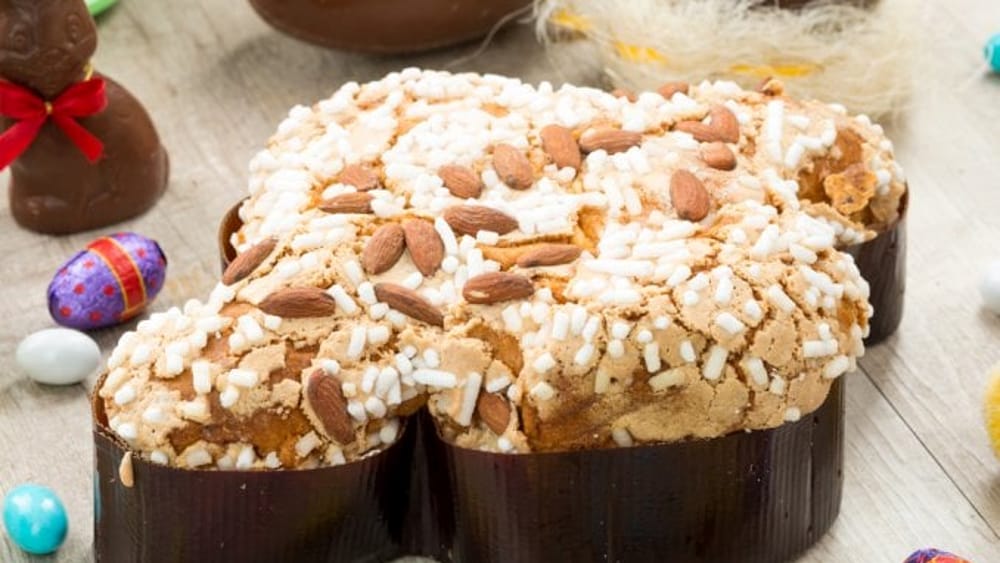
The “colomba pasquale” or Easter dove is a traditional Italian dessert from Lombardy, a region in northern Italy. The origins of this delicious dessert are quite remote. It is a sweet bread made with flour, sugar, eggs, butter, yeast, salt and candied orange peel. The surface is covered with a sugar and almond glaze. There are also other variations with fillings of creams, jams or chocolate. The dough is molded into the shape of a dove. Its shape symbolizes peace, love and also the Resurrection of Jesus Christ. The Easter dove is eaten on the occasion of the Easter holiday. It is an absolute must-have dessert on Italian tables, not only in Italy but also abroad.
La “colomba pasquale” o paloma de Pascua es un pastel tradicional italiano de la región septentrional italiana de Lombardía. Los orígenes de este delicioso pastel son bastante remotos. Es un pan dulce elaborado con harina, azúcar, huevos, mantequilla, levadura, sal y cáscara de naranja caramelizada. La superficie se cubre con un glaseado de azúcar y almendra. También existen otras variantes con relleno de nata, mermelada o chocolate. La masa se moldea en forma de paloma. Su forma simboliza la paz, el amor y también la Resurrección de Jesucristo. La paloma de Pascua se come el día de la Santa Pascua. Es un dulce que no puede faltar en las mesas italianas, no sólo en Italia sino también fuera de Italia.
La colomba pasquale è un dolce tradizionale della Lombardia, regione dell’Italia settentrionale. Le origini di questo delizioso dolce sono piuttosto remote. Si tratta di un pane dolce preparato con farina, zucchero, uova, burro, lievito, sale e scorza d’arancia candita. La superficie è ricoperta da una glassa di zucchero e mandorle. Esistono anche varianti con ripieno di crema, marmellata o cioccolato. L’impasto viene modellato a forma di colomba. La sua forma simboleggia la pace, l’amore e anche la Resurrezione di Gesù Cristo. La colomba pasquale si mangia il giorno di Pasqua. È un dolce immancabile sulle tavole italiane, non solo in Italia ma anche all’estero.
La pastiera napoletana, considerata simbolo di rinascita, è un altro dolce tradizionale che si prepara a Pasqua. Sembra che la sua ricetta si sia originata intorno al 1500 nella città di Napoli, in Campania. Nel corso degli anni la ricetta ha subito varie modifiche.
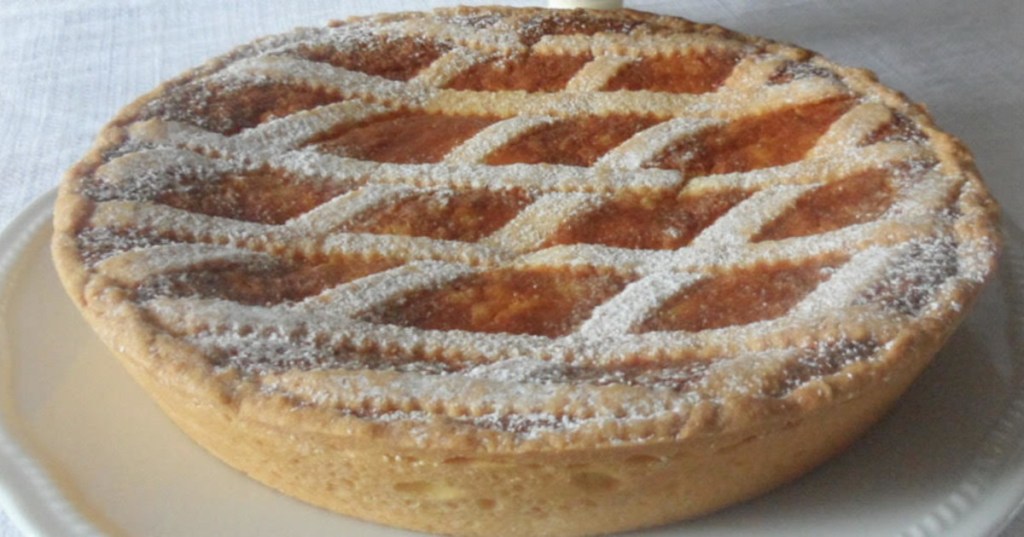
In seguito al suo elegante aspetto e squisitezza, la pastiera è considerata la regina dei dolci pasquali. La pastiera non è difficile da preparare in casa. Di forma circolare è composta da una base di pasta frolla e un ripieno di grano cotto, ricotta, zucchero, uova, latte, burro e arancia candita. L’immancabile aroma di fiori d’arancio le conferisce un profumo delicato e invitante. La superficie di questo dolce è decorata con strisce di pasta sistemate diagonalmente. Durante la cottura, nell’aria si diffonde un profumo indescrivibile. La pastiera viene servita a temperatura ambiente spolverata con dello zucchero a velo.
Passare tempo in cucina è divertente e terapeutico.
La pastiera napolitana, considerada un símbolo de renacimiento, es otro pastel tradicional de Pascua. Su receta parece tener su origen hacia 1500 en la ciudad de Nápoles, Campania. A lo largo de los años, la receta ha sufrido diversas modificaciones.
Por su aspecto elegante y su exquisitez, la pastiera está considerada la reina de los postres de Pascua. La pastiera no es difícil de preparar en casa. De forma circular, consta de una base de masa quebrada y un relleno de trigo cocido, requesón, azúcar, huevos, leche, mantequilla y naranja confitada. El aroma siempre presente de la flor de azahar le confiere una fragancia delicada y acogedora. La superficie de este pastel se decora con tiras de pasta dispuestas en diagonal. Durante la cocción, una fragancia indescriptible recorre el aire. La pastiera se sirve a temperatura ambiente espolvoreada con azúcar en polvo.
Pasar tiempo en la cocina es divertido y terapéutico.
The Neapolitan pastiera, considered a symbol of rebirth, is another traditional dessert made at Easter. It seems that its recipe originated around 1500 in the city of Naples, Campania. Over the years, the recipe has undergone various modifications.
As a result of its elegant appearance and deliciousness, the pastiera is considered the queen of Easter desserts. The pastiera is not difficult to prepare at home. Circular in shape, it consists of a short pastry base and a filling of cooked wheat, ricotta cheese, sugar, eggs, milk, butter and candied orange. The ever-present orange blossom aroma gives it a delicate and inviting fragrance. The surface of this cake is decorated with strips of dough arranged diagonally. During baking, an indescribable fragrance wafts through the air. The pastiera is served at room temperature dusted with powdered sugar.
Spending time in the kitchen is fun and therapeutic.
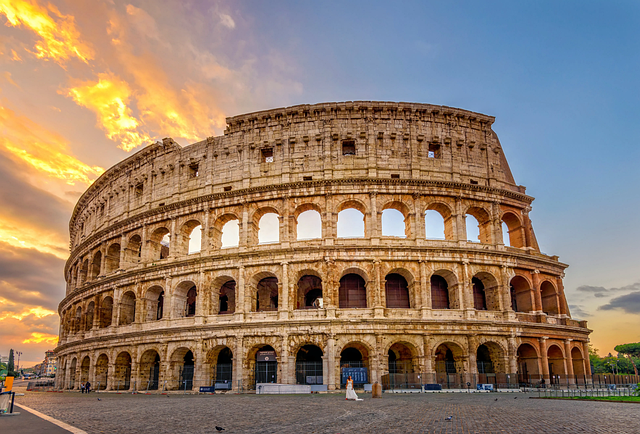
Il Colosseo è un grandioso monumento situato nella città di Roma. A pianta ellittica, fu ideato dall’architetto Rabirio all’epoca di Vespasiano nel 72 d. C. e inaugurato successivamente dal figlio Tito Flavio. Questo monumento, costruito principalmente in pietra tiburtina, è un grande e famoso anfiteatro contenente molti archi. La funzione principale del Colosseo era l’intrattenimento pubblico, particolarmente amato dai Romani. Nell’anfiteatro si svolgevano i maggiori spettacoli gladiatori dell’antichità, non solo combattimenti tra uomini, ma anche tra uomini e belve. Il Colosseo era anche il luogo ideale per fingere le battaglie navali o naumachie. Il deterioramento attuale del Colosseo è dovuto sia ai fattori climatici che all’asportazione di molti materiali preziosi.
The Colosseum is a grandiose monument located in the city of Rome. With an elliptical plan, it was designed by the architect Rabirius at the time of Vespasian in 72 A.D. and later inaugurated by his son Titus Flavius. This monument, built mainly of Tiburtine stone, is a large and famous amphitheater containing many arches. The main function of the Colosseum was public entertainment, which was especially beloved by the Romans. Major gladiatorial shows of antiquity were held in the amphitheater, not only fights between men, but also between men and beasts. The Colosseum was also an ideal place to fake naval battles or naumachiae. The current deterioration of the Colosseum is due to both climatic factors and the removal of many valuable materials.
El Coliseo es un grandioso monumento situado en la ciudad de Roma. De planta elíptica, fue diseñado por el arquitecto Rabirio en tiempos de Vespasiano, en el año 72 d.C., e inaugurado posteriormente por su hijo Tito Flavio. Este monumento, construido principalmente con piedra tiburtina, es un gran y famoso anfiteatro con numerosos arcos. La función principal del Coliseo era el entretenimiento público, especialmente popular entre los romanos. En el anfiteatro tenían lugar los mayores espectáculos de gladiadores de la Antigüedad, no sólo luchas entre hombres, sino también entre hombres y bestias. El Coliseo era también un lugar ideal para escenificar batallas navales o naumachiae. El deterioro actual del Coliseo se debe tanto a factores climáticos como a la retirada de muchos materiales preciosos.
“You can fool all of the people some of the time, and some of the people all of the time, but you can’t fool all of the people all of the time.” -Abraham Lincoln
“Si possono ingannare tutte le persone a volte, e alcune persone sempre, ma non si possono ingannare tutte le persone sempre”. -Abraham Lincoln
“Se puede engañar a todo el mundo algunas veces, y a algunos todo el tiempo, pero no se puede engañar a todo el mundo todo el tiempo.” -Abraham Lincoln
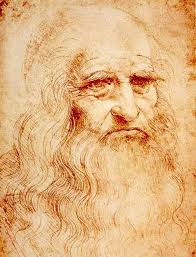
Leonardo da Vinci fu uno degli uomini più eccelsi del Rinascimento italiano. Non fu solo scrittore e pittore, dotato di molteplici talenti, si occupò di ingegneria, architettura, matematica, anatomia, scultura, cartografia, botanica. L’analisi dei suoi scritti rivela la genialità delle intuizioni e uno spirito superiore, che è lontano dai bassi interessi umani.
Leonardo da Vinci was one of the most exalted men of the Italian Renaissance. He was not only a writer and painter, endowed with multiple talents, he dealt with engineering, architecture, mathematics, anatomy, sculpture, cartography, botany. Analysis of his writings reveals the brilliance of insights and a superior spirit that is far removed from low human interests.
Leonardo da Vinci fue uno de los hombres más destacados del Renacimiento italiano. No sólo fue escritor y pintor, dotado de múltiples talentos, se ocupó de la ingeniería, la arquitectura, las matemáticas, la anatomía, la escultura, la cartografía y la botánica. El análisis de sus escritos revela la brillantez de sus ideas y un espíritu superior alejado de los bajos intereses humanos.
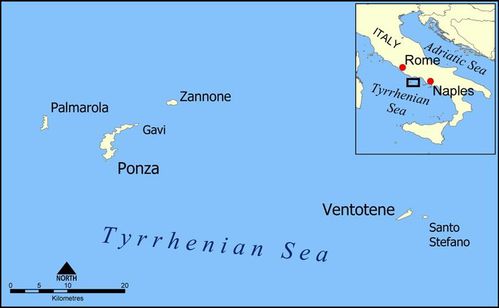
Learn Italian and take a trip to Italy 🇮🇹 to visit the gorgeous islands of the Pontine or Ponzian archipelago (Ponza, Palmarola, Zannone, Ventotene, Gavi and Santo Stefano) located in the Tyrrhenian Sea. These are enchanting places, full of history, dreams and magic, that is, heaven on earth. The waters are crystal clear, and shaded by many colors. The sea, sunshine, good food, the beauty of nature, as well as the kindness of people, are some essential elements to consider for a romantic and relaxing vacation. Learn more by signing up an in Italian course with Maria.
Aprenda italiano y haga un viaje a Italia 🇮🇹 para visitar las preciosas islas del archipiélago pontino o ponziano (Ponza, Palmarola, Zannone, Ventotene, Gavi y Santo Stefano), situadas en el mar Tirreno. Son lugares encantadores, llenos de historia, sueños y magia, es decir, el paraíso en la tierra. Las aguas son cristalinas y están matizadas por muchos colores. El mar, el sol, la buena comida, la belleza de la naturaleza así como la amabilidad de la gente, son algunos elementos esenciales a tener en cuenta para unas vacaciones románticas y relajantes.Obtenga más información inscribiéndose en un curso de italiano con María.






 Maria Conte Programs