Italy is a land where history and architecture intertwine to create some of the world’s most awe-inspiring structures. Among them, the Pantheon in Rome stands out as a true masterpiece of ancient engineering, timeless beauty, and cultural significance.
A Temple of All Gods
The word Pantheon comes from the Greek pan (all) and theos (god), meaning “temple of all gods.” Originally built around 27 BCE by Marcus Agrippa and later rebuilt by Emperor Hadrian around 118–125 CE after it was damaged by fire, the Pantheon is one of the best-preserved monuments of Ancient Rome.
Architectural Marvel
What makes the Pantheon truly extraordinary is its dome—a perfect hemisphere with a diameter of 43.3 meters (142 feet), which was the largest in the world for over 1,300 years and remains the largest unreinforced concrete dome to this day.
At the center of the dome is the oculus, a circular opening 8.2 meters wide that lets natural light (and sometimes rain) enter the building. This feature not only illuminates the interior but also symbolizes the connection between the heavens and earth.
From Pagan Temple to Christian Church
In 609 CE, the Pantheon was consecrated as a Christian church, dedicated to St. Mary and the Martyrs, which helped preserve it through centuries of political and religious change. Today, it’s not only a place of worship but also a resting place for Italian kings and the famous artist Raphael.
Why It Still Matters Today
The Pantheon is more than just a historic site—it’s a symbol of Roman ingenuity, a bridge between classical antiquity and modern architecture. Architects throughout history, from the Renaissance to the present day, have studied its proportions, symmetry, and beauty for inspiration.
Did You Know?
The Pantheon’s massive columns were imported from Egypt.
The building is so well-designed that rainwater drains through tiny holes in the floor.
Michelangelo called the Pantheon the work of angels, not of men.
Visit and Experience
Whether you’re in Italy as a tourist or a language student, a visit to the Pantheon is a must. It’s a chance to step into a building that has stood for nearly 2,000 years, and still welcomes people every day—just as it did in ancient times.
Interested in learning more about Italy’s rich culture and language? Explore our courses and join a community passionate about Italian life, history, and beauty.
La Festa del Ringraziamento festeggiata annualmente negli Stati Uniti d’America durante il periodo autunnale, ci ricorda la prima raccolta agricola dei Pellegrini avvenuta nel Nuovo Mondo e il superamento del primo inverno a Plymouth.
Chi sono i Pellegrini? I Pellegrini, gruppi di famiglie inglesi, viaggiarono con la nave Mayflower per poco più di due mesi, per colonizzare il nuovo paese americano. La nave approdó nelle vicinanze del Cape Cod, nello Stato del Massachusetts. Solo la metà dei viaggiatori sopravvisse durante il duro percorso.
I Pellegrini appresero molto dai nativi Indiani per ambientarsi e poter sopravvivere nella nuova terra, sia per far fronte alle brusche temperature climatiche che per la coltivazione dei campi. I Pellegrini e gli Indiani festeggiarono insieme per alcuni giorni, per ringraziare Dio, nel Novembre del 1621.
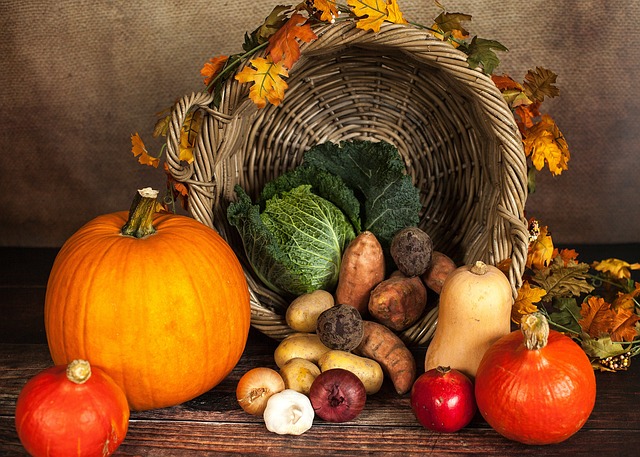
Il Presidente George Washington fu il primo a proclamare la Festa del Ringraziamento come festa nazionale nel 1789. Nel corso degli anni si sono verificate modifiche nella preparazione dei piatti, da semplici a più elaborati. Il tacchino farcito, immancabile, occupa il centrotavola; viene consumato insieme ad una varietà di verdure e frutta stagionali (zucche, mirtilli, patate, patate dolci, granturco, cavolini, mele, pere, arance). Rilevanti sono sia le salse che i dolci e le bevande, tutti preparati con creatività, passione e amore. Questo giorno particolare invita al riposo e alla riflessione sulla gratitudine. La giornata viene trascorsa con i membri della propria famiglia e gli amici più stretti.
The Thanksgiving Feast celebrated annually in the United States of America, during the fall season, reminds us of the first agricultural harvest of the Pilgrims that occurred in the New World and the overcoming of the first winter in Plymouth.
Who are the Pilgrims? The Pilgrims, groups of English families, traveled with the ship Mayflower for just over two months to colonize the new American country. The ship landed in the vicinity of Cape Cod in the state of Massachusetts. Only half of the travelers survived during the arduous journey.
The Pilgrims learned much from the native Indians about acclimatizing and being able to survive in the new land, both coping with the abrupt climatic temperatures and cultivating the fields. The Pilgrims and Indians celebrated together for a few days to give thanks to God in November 1621.
President George Washington was the first to proclaim Thanksgiving as a national holiday in 1789. Over the years there have been changes in the preparation of dishes, from simple to more elaborate. The ever-present stuffed turkey occupies the centerpiece; it is eaten along with a variety of seasonal vegetables and fruits (pumpkins, berries, potatoes, sweet potatoes, corn, sprouts, apples, pears, oranges). Relevant are sauces, desserts and drinks, all prepared with creativity, passion and love. This particular day invites rest and reflection on gratitude. The day is spent with family members and close friends.
La fiesta de Acción de Gracias, que se celebra anualmente en los Estados Unidos de América durante la estación otoñal, nos recuerda la primera cosecha agrícola de los Peregrinos en el Nuevo Mundo y el paso del primer invierno en Plymouth.
¿Quiénes son los Peregrinos? Los Peregrinos, un grupo de familias inglesas, viajaron en el barco Mayflower durante algo más de dos meses para colonizar el nuevo país americano. El barco desembarcó cerca de Cape Cod, en el estado de Massachusetts. Sólo la mitad de los viajeros sobrevivió al duro viaje.
Los Peregrinos aprendieron mucho de los Indios nativos para aclimatarse y sobrevivir en la nueva tierra, tanto para hacer frente a las abruptas temperaturas climáticas como para cultivar los campos. Los Peregrinos y los Indios celebraron juntos durante unos días para dar gracias a Dios en noviembre de 1621.
El Presidente George Washington fue el primero en proclamar Acción de Gracias como fiesta nacional en 1789. A lo largo de los años, ha habido cambios en la preparación de los platos, desde los más sencillos a los más elaborados. El inevitable pavo relleno ocupa el centro de la mesa; se come junto con una variedad de verduras y frutas de temporada (calabazas, arándanos, patatas, boniatos, maíz, coles, manzanas, peras, naranjas). Tanto las salsas como los postres y las bebidas son relevantes; todo ello preparado con creatividad, pasión y amor. Este día en particular invita al descanso y a la reflexión sobre la gratitud. El día se pasa con familiares y amigos íntimos.
First publication of this post: November 23, 2023.


 Maria Conte Programs