Blog

🍋 Limonata Fatta in Casa: La Regina delle Bevande Estive

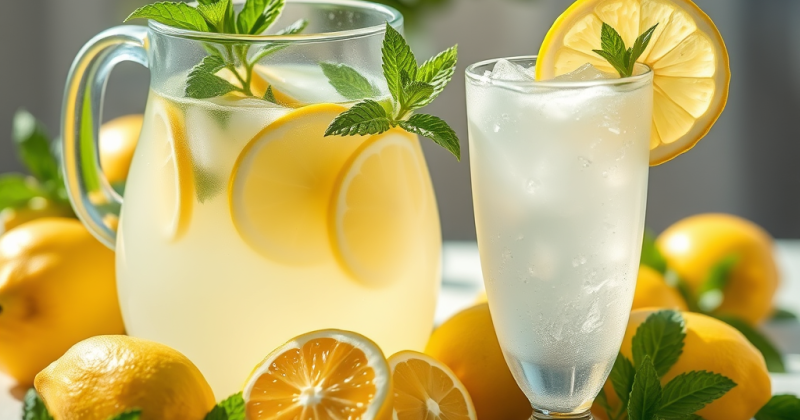
C’è qualcosa di magico nella semplicità di una limonata fresca fatta in casa. Pochi ingredienti, profumo d’estate e un sorso che sa di sole, relax e tavolate all’aperto. Oggi ti mostro come prepararla in modo facile e veloce — con qualche consiglio in più per renderla ancora più gustosa.


✨ Perché fare la limonata in casa?

  • È più sana di quelle confezionate (niente conservanti né zuccheri raffinati in eccesso).
  • È personalizzabile: dolce o acidula, classica o aromatizzata.
  • Si prepara in meno di 10 minuti!

🍋 Ingredienti per 1 litro di limonata

  • 4 limoni grandi non trattati (meglio se biologici)
  • 1 litro di acqua fredda
  • 3–4 cucchiai di zucchero di canna o miele (regola secondo il gusto)
  • Ghiaccio q.b.
  • Foglioline di menta fresca (facoltative, ma consigliatissime!)

🧊 Preparazione

  1. Spremi i limoni e filtra il succo per eliminare semi e polpa in eccesso.
  2. In una caraffa capiente, sciogli lo zucchero in un bicchiere d’acqua tiepida (così si amalgama meglio).
  3. Aggiungi il succo di limone e il resto dell’acqua fredda.
  4. Mescola bene, aggiungi ghiaccio e, se vuoi, qualche foglia di menta o fettina di limone per decorare.
  5. Lascia in frigo per almeno 30 minuti prima di servire: sarà ancora più rinfrescante.

🍯 Varianti da provare

  • Limonata al miele e zenzero: ottima anche per la digestione!
  • Limonata frizzante: sostituisci metà dell’acqua con acqua gassata.
  • Limonata rosa: aggiungi un po’ di succo di fragola o frutti rossi per un tocco di colore.

💬 Conclusione

La limonata è più di una semplice bevanda: è un piccolo rito estivo, fatto di gesti semplici e sapori autentici. Preparala quando vuoi concederti un momento fresco, genuino e fatto con le tue mani.

Hai una tua versione della limonata preferita? Scrivila nei commenti o condividila con chi ami l’estate quanto te! 🌞

🇪🇸 VERSIÓN EN ESPAÑOL: Limonada Casera — La Reina de las Bebidas del Verano 🍋

Hay algo mágico en un vaso de limonada casera: pocos ingredientes, sabor fresco y ese toque cítrico que nos transporta al verano en un instante. Aquí te muestro cómo prepararla fácil y rápido en casa.

🍋 Ingredientes (para 1 litro)

  • 4 limones grandes (mejor si son ecológicos)
  • 1 litro de agua fría
  • 3–4 cucharadas de azúcar moreno o miel (ajusta al gusto)
  • Hielo
  • Hojas de menta fresca (opcional)

🧊 Preparación

  1. Exprime los limones y cuela el jugo.
  2. Disuelve el azúcar en un poco de agua tibia.
  3. En una jarra, mezcla el jugo de limón con el resto del agua fría.
  4. Agrega hielo, hojas de menta o rodajas de limón si quieres.
  5. Refrigera al menos 30 minutos y ¡listo para disfrutar!

🌿 Variaciones que puedes probar

  • Limonada con miel y jengibre
  • Limonada con agua con gas
  • Limonada rosa (con jugo de fresas o frutos rojos)

🏖️ Conclusión

La limonada casera no es solo una bebida, es un pequeño ritual de verano. Hazla tuya y compártela con quienes más quieres.

🇬🇧 ENGLISH VERSION: Homemade Lemonade — The Queen of Summer Drinks 🍋

There’s something magical about a glass of homemade lemonade. Just a few ingredients, a burst of sunshine, and that refreshing taste that instantly brings summer to life. Here’s how to make your own — naturally sweet, beautifully tart, and incredibly refreshing.

🍋 Ingredients (for 1 liter)

  • 4 large lemons (preferably organic)
  • 1 liter of cold water
  • 3–4 tablespoons brown sugar or honey (adjust to taste)
  • Ice cubes
  • Fresh mint leaves (optional but lovely!)

🧊 Instructions

  1. Squeeze the lemons and strain the juice.
  2. Dissolve the sugar in a bit of warm water (so it blends easily).
  3. Add lemon juice and cold water to a pitcher.
  4. Stir well, add ice, mint, and lemon slices if you like.
  5. Chill for 30 minutes and enjoy the taste of summer!

🌿 Fun Variations

  • Honey & ginger lemonade
  • Sparkling lemonade (use sparkling water)
  • Pink lemonade (add strawberry or raspberry juice)

🏖️ Final Thoughts

Homemade lemonade is more than a drink — it’s a little summer ritual. Try it your way and share it with the people you love!

NEW!!! – Montessori Language Discovery Course — Fall 2025

Unique Montessori Language Enrichment for Children Ages 3–9

Welcome to an innovative approach to language learning and Montessori education, designed especially for children who are not enrolled in a full-time program.

Starting October 2025, I’m thrilled to offer a Montessori Language Discovery Course that combines the proven Montessori method with immersive language learning in Italian, Spanish, or English as a Second Language (ESL).

What Makes This Course Unique?

  • Authentic Montessori Experience: Hands-on learning with real Montessori materials focused on practical life, sensorial development, math, language, science, art, food preparation, culture, and geography.
  • Small Groups: Maximum 6 children per group to ensure individual attention and high-quality instruction.
  • Weekly Sessions: 1.5 to 2 hours each, held in the mornings to fit family schedules.
  • Flexible Locations: Groups formed based on language choice and neighborhood, with sessions planned for Hyde Park, Roslindale, and Downtown Boston/North End.
  • Affordable Tuition: A cost-effective alternative to full-time Montessori schools, offering excellent value for your child’s development.

Course Highlights:

  • Montessori-inspired hands-on activities
  • Language immersion in Italian, Spanish, or English (ESL)
  • Music, movement, art, and cultural exploration
  • Focus on respect for self, others, and the environment
  • Development of independence and critical thinking skills

Enrollment & Group Formation

Groups will be organized according to language preference and geographic location to create a supportive learning community. Details about exact locations will be confirmed by September.

If you are interested in registering or learning more, please contact me now to secure a spot and help shape groups that fit your family’s needs.

 “The greatest gifts we can give our children are the roots of responsibility and the wings of independence.” – Maria Montessori

Tequila: Più di una Bevanda — Un Approfondimento sullo Spirito Culturale del Messico

Quando pensi alla tequila, probabilmente ti vengono in mente immagini di bicchierini, sale e lime. Ma la tequila è molto più di un semplice drink da festa; è un ricco simbolo culturale profondamente intrecciato nella storia, nelle tradizioni e nell’identità del Messico.

Le Origini della Tequila

La storia della tequila inizia secoli fa nella regione intorno alla città di Tequila, nello stato messicano di Jalisco. Tutto parte dalla pianta di agave blu — un succulento spinoso originario delle alture del Messico. I popoli indigeni messicani inizialmente fermentavano il succo di agave in una bevanda leggermente alcolica chiamata pulque, molto prima che la tequila venisse distillata.

Quando arrivarono i conquistadores spagnoli nel XVI secolo, introdussero le tecniche di distillazione e da questa fusione nacque la tequila. Nel corso dei secoli, l’arte si è evoluta, raffinata, diventando motivo di orgoglio per gli artigiani messicani.

Come si Produce la Tequila

La vera tequila può essere prodotta solo dalla pianta di agave blu, e legalmente deve essere prodotta in regioni specifiche del Messico, principalmente Jalisco. Il cuore dell’agave, chiamato piña, viene raccolto dopo 7-10 anni di crescita, quindi cotto, schiacciato e fermentato prima della distillazione.

Il processo è un’arte, tramandata di generazione in generazione, che unisce tradizione e metodi moderni per creare i sapori morbidi e complessi che gli amanti della tequila apprezzano.

Tipi di Tequila: Dal Blanco all’Añejo

La tequila si presenta in diverse varietà, ciascuna con sapori e processi di invecchiamento distinti:

  • Blanco (Argento): Imbottigliata immediatamente dopo la distillazione, con un sapore fresco e deciso di agave.
  • Reposado (Riposa): Invecchiata da 2 a 12 mesi in botti di quercia, ammorbidendo il gusto e aggiungendo note legnose.
  • Añejo (Invecchiata): Invecchiata da 1 a 3 anni, offre un profilo più ricco e morbido con sentori di caramello e vaniglia.
  • Extra Añejo: Invecchiata per oltre 3 anni, questa categoria premium offre complessità profonda e lusso.

Come Degustare la Tequila Come un Esperto

Godersi la tequila significa più che berla — è apprezzarne il sapore e l’artigianato. Ecco come degustarla correttamente:

  1. Usa il bicchiere giusto: Un bicchiere stretto, come il bicchiere da degustazione o a tulipano, aiuta a concentrare gli aromi.
  2. Guarda: Osserva il colore; la tequila chiara è di solito Blanco, mentre tonalità dorate indicano l’invecchiamento.
  3. Annusa: Avvicina il bicchiere al naso e inspira delicatamente, notando aromi dolci, terrosi, floreali o speziati.
  4. Sorseggia lentamente: Prendi un piccolo sorso e lascia che avvolga la lingua. Cerca di distinguere sapori come agrumi, vaniglia, pepe o caramello.
  5. Assapora il retrogusto: Nota quanto a lungo persiste il sapore — morbido, piccante o dolce.

Evita di bere tequila a scatto; sorseggiare e assaporare è il modo rispettoso di godersi questo spirito culturale.

Marchi Popolari di Tequila Messicana da Provare

Ecco alcuni marchi noti che rappresentano la diversità e la qualità della tequila:

  • Patrón: Famoso in tutto il mondo per la qualità premium e il gusto morbido.
  • Don Julio: Conosciuto per la maestria artigianale e profili di gusto eleganti.
  • Herradura: Uno dei marchi più antichi, offre tequila ricche e tradizionali.
  • Cazadores: Celebre per il suo sapore fresco di agave e prezzo accessibile.
  • Clase Azul: Tequila di lusso con bottiglie uniche in ceramica.

Ogni marchio offre qualcosa di unico, da opzioni quotidiane accessibili a sorsi di lusso.

La Tequila nella Cultura e nelle Celebrazioni Messicane

La tequila è più di una bevanda — è un simbolo del patrimonio messicano. Gioca un ruolo centrale nelle celebrazioni, da festival come il Cinco de Mayo a riunioni di famiglia e matrimoni.

Lo spirito accompagna anche piatti tradizionali messicani ed è spesso gustato insieme alla sangrita, un accompagnamento piccante e agrumato fatto con succo di pomodoro, succo d’arancia e chili.

L’Ascesa Globale della Tequila

Negli ultimi decenni, la tequila è esplosa sulla scena globale. Una volta relegata ai semplici shot da festa, ora è celebrata da mixologist e intenditori di tutto il mondo. I marchi di fascia alta producono tequila artigianali, e la cultura dei cocktail abbraccia la tequila in margarita, paloma e bevande innovative.

Rispettare lo Spirito

Quando si gusta la tequila, è importante apprezzare le radici culturali e l’artigianato. Sorseggia lentamente, assapora i sapori e riconosci l’eredità dietro ogni bottiglia.

The Pantheon: A Masterpiece of Italian Architecture

Italy is a land where history and architecture intertwine to create some of the world’s most awe-inspiring structures. Among them, the Pantheon in Rome stands out as a true masterpiece of ancient engineering, timeless beauty, and cultural significance.
A Temple of All Gods
The word Pantheon comes from the Greek pan (all) and theos (god), meaning “temple of all gods.” Originally built around 27 BCE by Marcus Agrippa and later rebuilt by Emperor Hadrian around 118–125 CE after it was damaged by fire, the Pantheon is one of the best-preserved monuments of Ancient Rome.
Architectural Marvel
What makes the Pantheon truly extraordinary is its dome—a perfect hemisphere with a diameter of 43.3 meters (142 feet), which was the largest in the world for over 1,300 years and remains the largest unreinforced concrete dome to this day.
At the center of the dome is the oculus, a circular opening 8.2 meters wide that lets natural light (and sometimes rain) enter the building. This feature not only illuminates the interior but also symbolizes the connection between the heavens and earth.
From Pagan Temple to Christian Church
In 609 CE, the Pantheon was consecrated as a Christian church, dedicated to St. Mary and the Martyrs, which helped preserve it through centuries of political and religious change. Today, it’s not only a place of worship but also a resting place for Italian kings and the famous artist Raphael.
Why It Still Matters Today
The Pantheon is more than just a historic site—it’s a symbol of Roman ingenuity, a bridge between classical antiquity and modern architecture. Architects throughout history, from the Renaissance to the present day, have studied its proportions, symmetry, and beauty for inspiration.
Did You Know?
  • The Pantheon’s massive columns were imported from Egypt.
  • The building is so well-designed that rainwater drains through tiny holes in the floor.
  • Michelangelo called the Pantheon the work of angels, not of men.
Visit and Experience
Whether you’re in Italy as a tourist or a language student, a visit to the Pantheon is a must. It’s a chance to step into a building that has stood for nearly 2,000 years, and still welcomes people every day—just as it did in ancient times.
Interested in learning more about Italy’s rich culture and language?
Explore our courses and join a community passionate about Italian life, history, and beauty.
A presto!

🎨🗣️ Art & Language Explorers (Ages 8–12) An imaginative journey through art and language!

In this fun and hands-on class, children ages 8 to 12 will explore creativity through art projects and learn basic skills in a foreign languageItalian, Spanish, or English—based on your family’s choice. Each week is a colorful adventure where children will:

  • 🎨 Paint on canvas, create collages, decorate seashells, and thread bracelets
  • 🗣️ Learn new words and phrases through language games, music, and playful movement
  • 🎶 Sing songs and take part in fun cultural activities
  • 👫 Connect with new friends in a creative and supportive environment

Parents can help select the art projects their children will enjoy most, making each session personal and exciting. Whether your child is painting a beach scene or singing in Spanish, this class is about having fun while learning.

Please note: This is a special course and is not listed on our website. Availability is limited and offered by request only.

🎉 Bonus Ideas:
This course also makes a wonderful birthday gift—a creative, memorable experience your child will treasure!

💲Group Rate: $48.00 per child
👨‍👩‍👧 Families with three children: $5.00 off the third child
🤝 Refer a friend who enrolls and receive $5.00 off your next course

📅 Flexible Scheduling:
Days and times are arranged based on interest and availability—perfect for busy families.
🗓️ Children may enroll in one course or more, but all sessions must be completed by July 19.

Let your child discover the joy of creativity and language in a relaxed, inspiring setting.

Contact us directly to reserve your spot—spaces are limited!

🇮🇹 Discover Italian Culture Through Conversation – New 4-Week Courses for Adults!

Looking to practice your Italian in a fun, relaxed setting while diving into the richness of Italian culture? Whether you’re just starting out or looking to take your conversational skills to the next level, we have a course designed for you!

We’re excited to offer two separate Italian conversation courses — one for beginners and one for intermediate learners — to help you build confidence, vocabulary, and fluency through cultural exploration and authentic language use.


🎯 Course Highlights:

Over the course of four weeks, each 1.5-hour session will guide you through engaging themes that bring the Italian language to life. You’ll explore:

🍝 Italian Cuisine & Mealtime Customs
🎨 Famous Art & Artists
🎶 Italian Music & Pop Culture
🏛️ Everyday Life, Holidays & Traditions

Each meeting includes interactive activities, video clips, vibrant visuals, and lots of practical conversation practice—so you’re not just learning the language, you’re living it.


🗣️ What You’ll Gain:

  • Beginners Course: Build essential vocabulary, simple sentence structures, and everyday expressions in a welcoming, supportive environment.
  • Intermediate Course: Strengthen your fluency, broaden your vocabulary, and engage in more complex, spontaneous conversation about real-life topics.
  • You’ll also gain a deeper appreciation for Italian culture—while connecting with others who share your passion for the language!

📍 Course Details:

  • Format: Hybrid (Online or in-person as arranged)
  • Dates: June 2 – July 19 (flexible scheduling based on group availability)
  • Session Length: 1.5 hours
  • Duration: 4 weeks
  • Start Date & Meeting Times: To be coordinated with participants

Location: Online (with potential for in-person options based on group availability)

Please note: This special course is not listed on my website. It’s reserved for current and past students like you.

🌞 A Joyful Summer of Art & Language for Children! 🎨🌍

Are you looking for a joyful and enriching summer experience for your child?
Welcome to our Art & Language Summer Program for Children—a creative and nurturing space where kids dive into hands-on art, music, and movement while naturally absorbing a new language!

This isn’t your typical summer class. Each session is filled with laughter, learning, and imagination—a perfect blend of fun and educational activities designed to engage your child’s curiosity and creativity.

🎨 What to Expect:

Each 1.5-hour session includes one exciting art project, chosen by parents based on their child’s interests. Some of our popular activities include:

  • Canvas Painting – Every child becomes a mini artist, creating their own colorful masterpiece.
  • Seashell Painting – Nature and creativity meet with beach-inspired beauty.
  • Bead Threading – Fine motor skills and artistic expression come together through handmade jewelry.
  • Collage Making – Let imaginations run wild with textures, shapes, and layers.
  • …and many more magical mini-projects!

🌍 Language & Learning Through Play:

Each class includes interactive language immersion in your choice of Italian, English, or Spanish, infused through:

  • 🎵 Songs and movement games that build vocabulary and rhythm
  • 🎭 Interactive role-play and language games that keep learning natural and fun
  • 🎈 Screen-free, joyful social time to create, play, and connect

📆 Flexible & Personalized:

  • Parents can choose individual or group lessons
  • Sessions and locations are arranged based on mutual availability
  • Affordable group rate: $48 per child per session (1.5 hrs)
  • Families with 3 children receive a $5 discount for the third child
  • Refer a friend who enrolls and get a $5 discount on your next session!

📩 To enroll, please contact me directly via email to reserve your spot, select your child’s art projects, preferred language, and coordinate session times and locations.

Spots are limited—let’s create a summer full of creativity, laughter, and learning!


Dipendenza dai Social Media: Come Influisce sulle Nostre Vite e Cosa Possiamo Fare al Riguardo

Nel mondo digitale di oggi, i social media sono diventati una parte integrante delle nostre vite. Dallo stare in contatto con amici e familiari all’accesso a notizie e intrattenimento, piattaforme come Facebook, Instagram e TikTok sono a portata di mano. Tuttavia, per molte persone, queste piattaforme sono passate dall’essere strumenti di connessione a fonti di distrazione e dipendenza.

L’Aumento della Dipendenza dai Social Media

La dipendenza dai social media è una preoccupazione crescente nella società moderna. Molti individui si trovano a trascorrere ore e ore a scorrere i loro feed, cercando aggiornamenti o confrontando le loro vite con quelle idealizzate che vengono presentate online. Il bisogno costante di conferme, tramite like o commenti, può generare un ciclo malsano, rendendo difficile staccarsi anche quando questo impatta negativamente sul nostro tempo, sulle relazioni e sul benessere.

Gli Effetti Negativi della Dipendenza dai Social Media

  1. Problemi di Salute Mentale: Gli studi hanno dimostrato un legame tra l’uso eccessivo dei social media e disturbi come ansia, depressione e bassa autostima. L’assalto costante di immagini curate e perfette può far sentire le persone inadeguate o scollegate dalla realtà.
  2. Disturbi del Sonno: Scorrere i social media fino a tarda notte interrompe il nostro ciclo del sonno, portando a scarsa qualità del sonno, stanchezza e produttività ridotta durante il giorno.
  3. Interazioni nel Mondo Reale in Diminuzione: Passare più tempo online può comportare il trascurare i legami faccia a faccia, facendoci sentire più soli e isolati, nonostante siamo “connessi” su una piattaforma digitale.

Il Lato Positivo dei Social Media

Anche se l’uso eccessivo può essere dannoso, i social media hanno anche i loro vantaggi se usati in modo consapevole. Permettono:

  • Networking e Crescita Professionale: Piattaforme come LinkedIn aiutano i professionisti a connettersi con persone che condividono interessi simili e ad aprire porte per nuove opportunità lavorative.
  • Consapevolezza ed Educazione: I social media permettono agli utenti di entrare in contatto con un’enorme quantità di informazioni, dalle ultime notizie ai contenuti educativi, e aiutano a sensibilizzare su temi sociali importanti.
  • Ispirazione e Supporto: Per chi sta affrontando difficoltà personali, i social media possono offrire un senso di comunità e supporto tramite gruppi online, influencer o creatori che condividono esperienze simili.

Come Liberarsi dalla Dipendenza dai Social Media

  • Imposta Limiti di Tempo: La maggior parte delle app dei social media offre funzionalità per limitare l’uso. Imposta dei limiti giornalieri per evitare di passare troppo tempo a scorrere.
  • Disattiva le Notifiche: Le notifiche costanti sono progettate per mantenerti coinvolto. Considera di disattivarle per ridurre le distrazioni.
  • Dedica Tempo ad Attività Offline: Riconnettiti con attività che ami al di fuori dei social media: leggere, fare esercizio fisico o passare del tempo con i tuoi cari.
  • Pratica la Consapevolezza: Sii consapevole del tuo uso dei social media e chiediti se contribuiscono positivamente alla tua vita o se sono solo una cattiva abitudine.

Conclusione

I social media sono destinati a rimanere, ma è importante trovare un equilibrio. Riconoscendo i segni della dipendenza e facendo attenzione a come utilizziamo queste piattaforme, possiamo sfruttare i loro benefici senza lasciare che controllino le nostre vite.

IA: Revolucionando el Futuro, ¿Para Mejor o Para Peor?

La Inteligencia Artificial (IA) ya no es un concepto del futuro; es una realidad presente que está transformando cada industria. Desde recomendaciones personalizadas en servicios de streaming hasta coches autónomos, la IA está cambiando la forma en que vivimos, trabajamos e interactuamos.

El Lado Positivo de la IA

La IA ofrece posibilidades infinitas en campos como la salud, la educación y los negocios. Está mejorando la precisión diagnóstica en medicina, habilitando herramientas de aprendizaje más inteligentes y aumentando la productividad en el lugar de trabajo con la automatización. También está ayudando a abordar desafíos globales, como el cambio climático, mediante información basada en datos y soluciones eficientes.

El Lado Oscuro de la IA

Sin embargo, como ocurre con cualquier avance tecnológico, la IA trae consigo riesgos. Existen crecientes preocupaciones sobre la privacidad, ya que los sistemas de IA recopilan grandes cantidades de datos personales. También está el riesgo de desplazamiento laboral, ya que la automatización reemplaza el trabajo manual. Además, surgen preocupaciones éticas sobre el papel de la IA en la toma de decisiones, especialmente en áreas como la justicia penal o la contratación.

El Futuro de la IA

A medida que la IA sigue evolucionando, es crucial que la sociedad encuentre un equilibrio: aprovechar sus posibles beneficios mientras se mitigan los riesgos. Una regulación adecuada y marcos éticos serán clave para garantizar que la IA sirva a la humanidad de manera positiva, justa y responsable.

Exploring the Timeless Works of Jane Austen

Jane Austen, born on December 16, 1775, in Steventon, Hampshire, England, remains one of the most celebrated English authors. Her keen observations of 18th-century English society, particularly regarding the lives of women, have earned her a lasting place in literary history.

Austen’s six major novels delve into themes of love, marriage, and social class:

  • Pride and Prejudice: Perhaps her most famous work, this novel explores the complexities of love and social standing through the relationship between Elizabeth Bennet and Mr. Darcy.
  • Sense and Sensibility: The story of the Dashwood sisters, Elinor and Marianne, who navigate the balance between reason and emotion in their romantic pursuits.
  • Emma: Follows the life of Emma Woodhouse, a young woman who enjoys matchmaking but learns valuable lessons about love and self-awareness.
  • Mansfield Park: Centers on Fanny Price, who is sent to live with her wealthy relatives and faces moral dilemmas that challenge her values.
  • Northanger Abbey: A satire of Gothic novels, this work tells the story of Catherine Morland’s adventures and misadventures in Bath and Northanger Abbey.
  • Persuasion: A poignant tale of Anne Elliot, who reunites with her former fiancé, Captain Frederick Wentworth, years after being persuaded to break their engagement.

Writing Style and Legacy

Austen’s writing is characterized by its wit, irony, and keen social commentary. She masterfully critiques the constraints placed on women in her era, all while crafting engaging narratives that continue to captivate readers. Her works have been adapted into numerous films, television series, and stage productions, solidifying her status as a literary icon.