Halloween, celebrato ogni anno il 31 ottobre, è una notte piena di costumi, zucche e piccoli brividi divertenti. Ma dietro al divertimento si nasconde una storia ricca di tradizioni antiche, religione e folklore.
Le sue radici risalgono a oltre 2.000 anni fa, al festival celtico di Samhain, che segnava la fine del raccolto e l’inizio dell’inverno — un periodo in cui si credeva che il confine tra vivi e morti fosse sottile. Per proteggersi dagli spiriti vaganti, le persone accendevano falò e indossavano travestimenti.
Con la diffusione del Cristianesimo, Samhain si è fuso con la Festa di Tutti i Santi (All Hallows’ Day) il 1° novembre. La sera precedente è diventata nota come All Hallows’ Eve, che alla fine si è evoluta in Halloween.
Oggi Halloween è una celebrazione di creatività, immaginazione e comunità. Le persone si divertono a travestirsi, intagliare zucche e condividere la gioia (e qualche piccolo spavento) di questa notte speciale. È un momento per abbracciare sia la luce sia il mistero e godersi la magia del cambiamento di stagione. 🎃👻
🇪🇸 Orígenes y Significado de Halloween
Halloween, celebrado cada año el 31 de octubre, es una noche llena de disfraces, calabazas y sustos divertidos. Pero detrás de la diversión hay una rica historia que combina costumbres antiguas, religión y folklore.
Sus raíces se remontan a más de 2.000 años, al festival celta de Samhain, que marcaba el final de la cosecha y el comienzo del invierno, un momento en el que se creía que el límite entre vivos y muertos era muy delgado. Para protegerse de los espíritus errantes, la gente encendía hogueras y se disfrazaba.
Con la expansión del cristianismo, Samhain se fusionó con el Día de Todos los Santos (All Hallows’ Day) el 1 de noviembre. La noche anterior se conoció como All Hallows’ Eve, que finalmente evolucionó en Halloween.
Hoy en día, Halloween es una celebración de la creatividad, la imaginación y la comunidad. Las personas disfrutan disfrazándose, tallando calabazas y compartiendo la alegría (y algunos sustos) de esta noche especial. Es un momento para abrazar tanto la luz como el misterio y disfrutar de la magia del cambio de estación. 👻🎃
🇬🇧 The Origins and Meaning of Halloween
Halloween, celebrated every year on October 31st, is a night full of costumes, pumpkins, and playful frights. But behind the fun lies a rich history that blends ancient customs, religion, and folklore.
Its roots go back over 2,000 years to the Celtic festival of Samhain, marking the end of the harvest and the beginning of winter — a time when people believed the boundary between the living and the dead was thin. To protect themselves from wandering spirits, they lit bonfires and wore disguises.
As Christianity spread, Samhain blended with All Saints’ Day (All Hallows’ Day) on November 1st. The evening before became known as All Hallows’ Eve, which eventually evolved into Halloween.
Today, Halloween is a celebration of creativity, imagination, and community. People enjoy dressing up, carving pumpkins, and sharing the joy (and a few scares) of this uniquely spirited night. It’s a time to embrace both light and mystery and enjoy the magic of the changing season. 👻🎃
People who have suffered trauma need care that addresses the whole person—mind, body, and emotions. Trauma can affect sleep, concentration, relationships, and physical health.
Why holistic support matters
Trauma survivors benefit from the following approaches:
🧘 Mindfulness & meditation
🍎 Nutrition & healthy eating
🚶 Gentle exercise & movement
🎨 Creative outlets: art, music, writing
How to help a trauma survivor
Listen without judgment 👂
Validate feelings and experiences ❤️
Provide safe and consistent routines 🏡
Holistic approaches empower survivors to regain control over their lives and build resilience for the future.
🇮🇹 Supporto Olistico per Chi Ha Subìto un Trauma, disponibile a Boston
Le persone che hanno subito un trauma hanno bisogno di cure che considerino la persona nella sua interezza: mente, corpo ed emozioni. Il trauma può influenzare il sonno, la concentrazione, le relazioni e la salute fisica.
Perché è importante il supporto olistico
I sopravvissuti a traumi traggono beneficio dai seguenti approcci:
🧘 Mindfulness e meditazione
🍎 Nutrizione e alimentazione sana
🚶 Esercizio dolce e movimento
🎨 Attività creative: arte, musica, scrittura
Come aiutare chi ha subito un trauma
Ascoltare senza giudicare 👂
Convalidare i sentimenti ed esperienze ❤️
Offrire routine sicure e coerenti 🏡
Gli approcci olistici permettono ai sopravvissuti di riprendere il controllo della propria vita e costruire resilienza per il futuro.
🇪🇸 Apoyo Holístico para Supervivientes de Trauma, disponibleen Boston
Las personas que han sufrido trauma necesitan cuidado que aborde la persona en su totalidad: mente, cuerpo y emociones. El trauma puede afectar el sueño, la concentración, las relaciones y la salud física.
Por qué es importante el apoyo holís
Las personas que han sobrevivido a traumas se benefician de los siguientes enfoques:
🧘 Mindfulness y meditación
🍎 Nutrición y alimentación saludable
🚶 Ejercicio suave y movimiento
🎨 Actividades creativas: arte, música, escritura
Cómo ayudar a un superviviente de trauma
Escuchar sin juzgar 👂
Validar sentimientos y experiencias ❤️
Proporcionar rutinas seguras y consistentes 🏡
Los enfoques holísticos permiten a los supervivientes recuperar el control de sus vidas y desarrollar resiliencia para el futuro.
English:
If you or someone you know has suffered trauma, contact me to begin healing holistically.
Italian:
Se tu o qualcuno che conosci ha subito un trauma, contattami per iniziare a guarire in modo olistico.
Spanish:
Si tú o alguien que conoces ha sufrido un trauma, contáctame para comenzar a sanar de forma holística.
Quando le lunghe giornate dorate dell’estate lasciano spazio alla brezza fresca dell’autunno, qualcosa di magico comincia a manifestarsi. L’autunno non è solo una stagione: è un’esperienza sensoriale, un cambiamento che porta conforto, un ricordo vivido della capacità della natura di trasformarsi con grazia silenziosa.
Una stagione dipinta di colori caldi
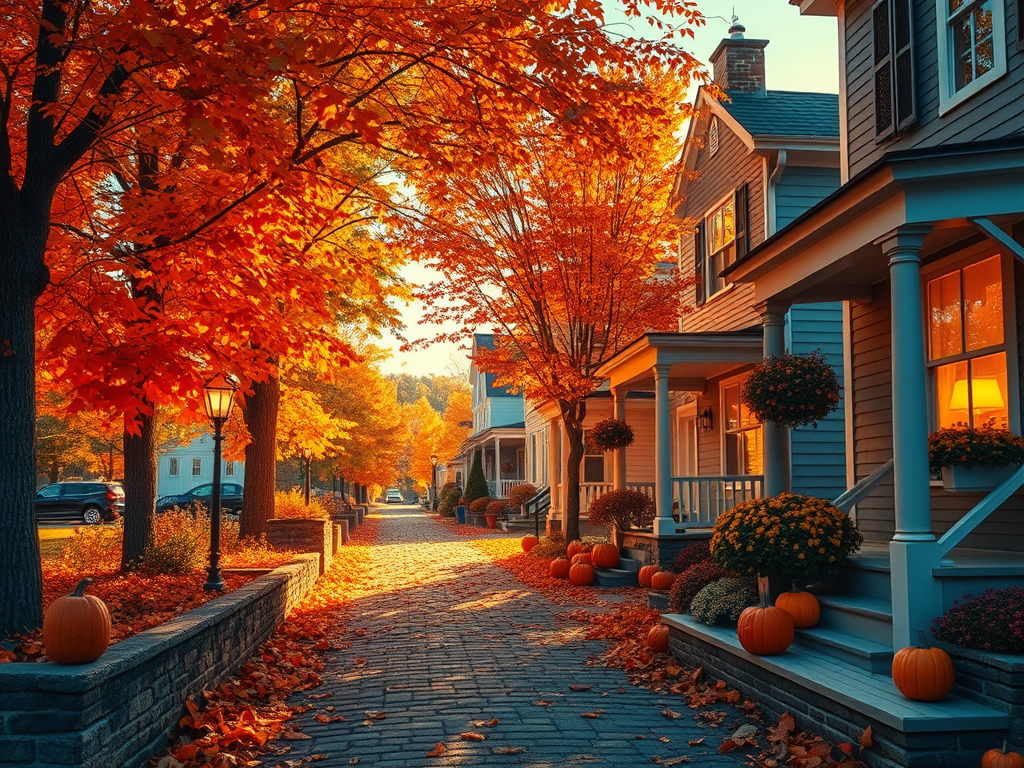
Uno degli aspetti più affascinanti dell’autunno è la sua tavolozza. Il paesaggio si accende in un mosaico di ambra, oro, cremisi profondo e arancio bruciato. Gli alberi diventano pennellate viventi contro cieli azzurri, e i boschi sembrano illuminarsi dall’interno. In Nord America, in particolare in luoghi come il New England, il Pacifico nord-occidentale e il Canada, l’autunno si trasforma in un’opera d’arte stagionale che attira visitatori da tutto il mondo.
Tempo fresco, giornate di sole e aria frizzante
L’autunno porta con sé un equilibrio perfetto: il calore tenue del sole di giorno, l’aria frizzante del mattino e della sera. È il momento ideale per indossare maglioni morbidi, passeggiare tra le foglie secche e sorseggiare sidro caldo. Il vento muove le cime degli alberi, spargendo foglie sui marciapiedi e nei parchi, mentre la pioggia occasionale porta con sé quel profumo inconfondibile della terra bagnata.
I profumi della stagione
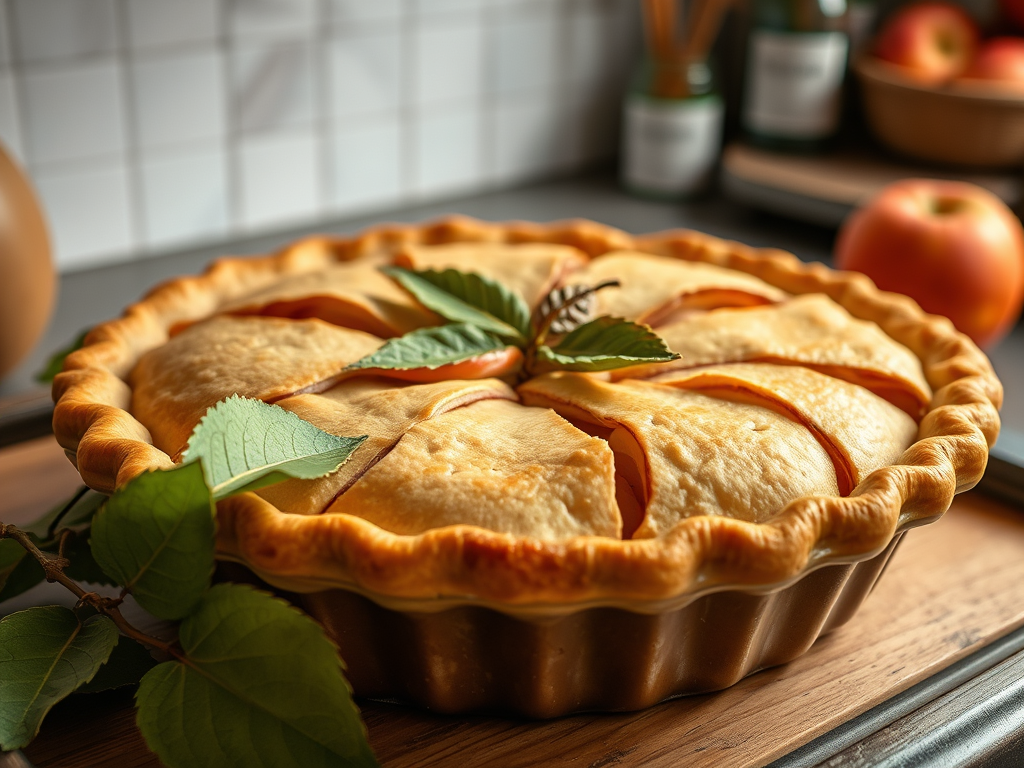
Nulla dice “autunno” quanto il profumo di torte di mele e di zucca appena sfornate. In Nord America, questi aromi sono parte integrante della stagione. La raccolta delle mele, le visite ai campi di zucche e le riunioni familiari sono modi tradizionali per celebrare il raccolto. Il profumo di cannella, noce moscata e chiodi di garofano riempie case, mercati e caffè, creando un’atmosfera di calore e familiarità.
Un autunno nordamericano
Cosa rende l’autunno in Nord America così speciale? Le tradizioni stagionali come il Thanksgiving, Halloween e le sagre del raccolto. Le zucche sui portici, i giri in carro trainato dai cavalli, le foglie che scricchiolano sotto i piedi. È un tempo in cui le comunità si riuniscono per condividere cibo, storie e la bellezza effimera di questa stagione straordinaria.
Abbracciare la stagione
L’autunno ci invita a rallentare, riflettere e riconnetterci – con la natura, con gli altri, con noi stessi. Che tu stia camminando in un bosco dorato, sorseggiando un latte speziato alla zucca o semplicemente osservando le foglie danzare nel vento, questa stagione ha un modo unico di toccare il cuore.
Avvolgiti in una sciarpa, respira il profumo delle torte speziate e lasciati trasportare dai giorni d’oro dell’autunno. 🍁
🇪🇸 La magia del otoño – El cálido abrazo de la naturaleza
A medida que los largos días dorados del verano dan paso a la brisa fresca del otoño, algo verdaderamente mágico comienza a suceder. El otoño no es solo una estación: es una experiencia sensorial, un cambio tranquilo y acogedor, y una muestra más de la capacidad de la naturaleza para transformarse con gracia.
Una temporada pintada en tonos cálidos
Uno de los aspectos más encantadores del otoño es su gama de colores. El paisaje se convierte en un mosaico de ámbar, dorado, rojo intenso y naranja quemado. Los árboles parecen pinceladas vivas contra un cielo celeste, y los bosques brillan desde dentro. En América del Norte, especialmente en regiones como Nueva Inglaterra, el noroeste del Pacífico y partes de Canadá, el otoño es todo un espectáculo natural.
Clima fresco, soleado y con personalidad
El otoño ofrece un equilibrio perfecto: el sol suave durante el día y el aire fresco de la mañana y la noche. Es tiempo de suéteres abrigados, paseos entre hojas secas y tazas de sidra caliente. El viento mueve las copas de los árboles, mientras las lluvias ocasionales nos regalan ese aroma a tierra mojada que trae nostalgia y calma.
Aromas que abrazan el alma
Pocas cosas representan mejor el otoño que el olor a tartas de manzana y de calabaza recién horneadas. En América del Norte, estos aromas forman parte de la identidad estacional. La recolección de manzanas, las visitas a los campos de calabazas y las reuniones familiares son tradiciones muy queridas. Los aromas a canela, nuez moscada y clavo de olor llenan las casas, los cafés y los mercados, creando una atmósfera cálida y acogedora.
Un otoño muy norteamericano
¿Qué hace especial al otoño en América del Norte? Las tradiciones como Halloween, Acción de Gracias y los festivales de cosecha. Las calabazas en los porches, los paseosencarretas, las hojas crujientes bajo los pies. Es un momento de unión comunitaria, de compartir sabores, paisajes y emociones.
Conectar con el otoño
El otoño nos invita a reducir el ritmo, a reflexionar y a reconectar con lo esencial. Ya sea caminando entre árboles dorados, tomando un café con especias de calabaza o mirando las hojas danzar con el viento desde la ventana, esta estación tiene una manera única de llegar al alma.
Abrígate bien, disfruta del aroma a tartas caseras y déjate envolver por la magia del otoño. 🍁
🇬🇧 🍂 The Magic of Fall: Nature’s Warm Embrace
As the long, golden days of summer gently give way to the crisp embrace of autumn, something truly magical begins to unfold. Fall—or autumn, as it’s known in many parts of the world—is more than just a season. It’s a sensory experience, a comforting shift in rhythm, and a vivid reminder of nature’s ability to transform with quiet elegance.
A Season Painted in Warm Tones
One of the most enchanting aspects of fall is its palette. The landscape explodes into a rich mosaic of amber, gold, deep crimson, and burnt orange. Trees become living brushstrokes against pale blue skies, and forests seem to glow from within. In North America especially, places like New England, the Pacific Northwest, and parts of Canada become seasonal masterpieces, drawing visitors from around the world who come to “leaf-peep” and capture the fleeting beauty.
The Weather: Cool, Sunny, and Alive
Autumn brings a refreshing balance: the lingering warmth of the sun by day and the cozy coolness of early morning and evening air. It’s the perfect time for layered sweaters, walks through crunchy leaves, and mugs of warm cider. The wind stirs thetreetops, scattering leaves across sidewalks and fields, while the occasionalrain brings with it that earthy, nostalgic scent we all recognize—petrichor—a word as poetic as the season itself.
Scents of the Season
Nothing says fall quite like the smell of freshly bakedapple and pumpkinpies wafting through kitchens and farmers’ markets. In North America, these aromas are deeply woven into the cultural fabric of the season. Apple picking, pumpkin patches, and cozy family gatherings are just a few of the ways people celebrate autumn’s harvest. The scent of cinnamon,nutmeg, and clove fills homes, shops, and cafés, evoking feelings of warmth and belonging.
A North American Autumn
What makes fall in North America so distinctive? It’s the celebration of traditions like Thanksgiving, Halloween, and harvest festivals. It’s the sight of pumpkins on porches, hayrides through the countryside, and the crunch of corn husks underfoot. It’s the way communities come together—through food, seasonal rituals, and shared appreciation of this brief, spectacular moment before winter’s stillness.
Embracing the Season
Fall encourages us to slow down, reflect, and reconnect—with nature, with others, and with ourselves. Whether you’re wandering through a forest ablaze with color, sipping a pumpkin spice latte, or watching the leaves dance in the wind from your window, there’s something quietly profound about this time of year.
So wrap yourself in a soft scarf, breathe in the scent of spiced pies, and let the season carry you into its golden days. 🍁
When we think of the “Age of Exploration,” one name that always comes to mind is Christopher Columbus — the Italian explorer who sailed across the Atlantic Ocean in 1492 and changed the course of history.
But who was Columbus, really? And what exactly did he discover?
🧭 A Dream to Reach the East
Christopher Columbus was born in Genoa, Italy, around 1451. From a young age, he was fascinated by maps, the sea, and stories of distant lands. In the 15th century, Europeans were eager to find new trade routes to Asia, especially to get spices and precious goods.
At the time, traveling east by land was long and dangerous. Columbus had a bold idea: Why not sail west to reach the East?
He believed that by sailing west across the Atlantic Ocean, he could reach Asia faster.
⛵ 1492: The Famous Voyage
After years of trying, Columbus finally received support from the King and Queen of Spain, Ferdinand and Isabella. They gave him three ships: the Niña, the Pinta, and the Santa María.
On August 3, 1492, Columbus set sail from Spain. After more than two months at sea, on October 12, 1492, land was sighted. Columbus and his crew had reached an island in what is now the Bahamas.
He thought he had reached islands near Asia — but he had actually found lands that were unknown to Europeans at the time: the Americas.
🌴 What Did Columbus Discover?
Columbus made four voyages to the New World, exploring islands in the Caribbean, including present-day Cuba, Hispaniola (Haiti and the Dominican Republic), and parts of Central and South America.
It’s important to note: Columbus did not “discover” America in the sense that no one lived there. Millions of Indigenous people had already lived in these lands for thousands of years with their own cultures, languages, and histories.
Still, Columbus’s voyages opened the door to European exploration and colonization, which would deeply impact the world — for better and for worse.
⚖️ A Legacy of Debate
For centuries, Columbus was celebrated as a brave explorer. Many countries, including the United States, mark his journey with a holiday: Columbus Day.
However, in recent years, many people have begun to re-examine his legacy. Columbus’s arrival in the Americas led to colonization, the spread of diseases, and the mistreatment of Indigenous peoples.
As a result, some places now observe Indigenous Peoples’ Day instead, to honor the original inhabitants of the land.
📚 What Can We Learn?
Christopher Columbus is a complex historical figure. His story is part of a much larger narrative about exploration, encounter, and the changes that shaped the modern world.
Learning about Columbus gives us a chance to understand:
The courage and curiosity that drove exploration
The consequences of contact between different cultures
The importance of looking at history from multiple perspectives
✨ Final Thoughts
Whether viewed as a hero, a symbol, or a controversial figure, Christopher Columbus remains a key figure in world history. His voyages remind us that exploration can lead to discovery — but also that understanding the past means listening to all voices, especially those who were affected by it.
🇮🇹 Cristoforo Colombo: L’uomo che attraversò l’oceano
Quando pensiamo all’ “Età delle Scoperte”, un nome ci viene subito in mente: Cristoforo Colombo — l’esploratore italiano che attraversò l’Oceano Atlantico nel 1492 e cambiò il corso della storia.
Ma chi era davvero Colombo? E cosa scoprì esattamente?
🧭 Un sogno verso l’Oriente
Cristoforo Colombo nacque a Genova, Italia, intorno al 1451. Fin da giovane fu affascinato da mappe, mare e racconti di terre lontane. Nel XV secolo, gli europei cercavano nuove rotte commerciali per l’Asia, in particolare per spezie e beni preziosi.
All’epoca, viaggiare via terra verso est era lungo e pericoloso. Colombo ebbe un’idea audace: perché non navigare verso ovest per raggiungere l’Oriente?
Credeva che navigando a ovest sull’Atlantico avrebbe raggiunto l’Asia più velocemente.
⛵ 1492: Il viaggio famoso
Dopo anni di tentativi, Colombo ricevette il sostegno dei Re di Spagna, Ferdinando e Isabella. Gli furono affidate tre navi: la Niña, la Pinta e la Santa María.
Il 3 agosto 1492, Colombo salpò dalla Spagna. Dopo più di due mesi in mare, il 12 ottobre 1492, fu avvistata terra. Colombo e il suo equipaggio avevano raggiunto un’isola che oggi fa parte delle Bahamas.
Pensava di essere vicino all’Asia, ma in realtà aveva scoperto terre sconosciute agli europei: le Americhe.
🌴 Cosa scoprì Colombo?
Colombo fece quattro viaggi nel Nuovo Mondo, esplorando isole dei Caraibi, tra cui le attuali Cuba, Hispaniola (Haiti e Repubblica Dominicana) e parti dell’America Centrale e Meridionale.
È importante sapere che Colombo non “scoprì” l’America nel senso che era disabitata. Milioni di popoli indigeni vivevano già in queste terre da migliaia di anni.
Tuttavia, i viaggi di Colombo aprirono la strada all’esplorazione e colonizzazione europea, con un impatto profondo — sia positivo che negativo — sulla storia mondiale.
⚖️ Un’eredità discussa
Per secoli, Colombo fu celebrato come un coraggioso esploratore. Molti Paesi, inclusi gli Stati Uniti, commemorano il suo viaggio con la Giornata di Colombo.
Negli ultimi anni, però, la sua figura è stata rivalutata. L’arrivo di Colombo nelle Americhe portò a colonizzazione, malattie, e sofferenze per i popoli indigeni.
Per questo motivo, in alcuni luoghi si celebra oggi la Giornata dei Popoli Indigeni, per onorare chi abitava queste terre molto prima dell’arrivo degli europei.
📚 Cosa possiamo imparare?
Cristoforo Colombo è una figura storica complessa. La sua storia fa parte di un più ampio racconto sull’esplorazione, gli incontri culturali e le trasformazioni globali.
Studiare Colombo ci aiuta a capire:
Il coraggio e la curiosità degli esploratori
Le conseguenze del contatto tra culture diverse
L’importanza di ascoltare tutti i punti di vista
✨ Pensieri finali
Che venga visto come un eroe, un simbolo, o una figura controversa, Cristoforo Colombo rimane centrale nella storia mondiale. I suoi viaggi ci ricordano che l’esplorazione porta scoperta, ma anche che comprendere davvero il passato significa ascoltare tutte le voci coinvolte.
🇪🇸 Cristóbal Colón: El hombre que cruzó el océano
Cuando pensamos en la “Era de los Descubrimientos”, un nombre destaca: Cristóbal Colón, el navegante italiano que cruzó el Océano Atlántico en 1492 y cambió el rumbo de la historia.
Pero ¿quién fue realmente Colón? ¿Y qué fue lo que descubrió?
🧭 Un sueño de llegar al Oriente
Cristóbal Colón nació en Génova, Italia, alrededor de 1451. Desde joven, se interesó por los mapas, el mar y las historias de tierras lejanas. En el siglo XV, los europeos buscaban nuevas rutas comerciales hacia Asia, especialmente para obtener especias y otros bienes.
Viajar por tierra era largo y peligroso. Colón propuso una idea atrevida: ¿por qué no navegar hacia el oeste para llegar al este?
Creía que, al cruzar el Atlántico hacia el oeste, podría llegar más rápido a Asia.
⛵ 1492: El viaje histórico
Después de muchos intentos, Colón consiguió el apoyo de los Reyes Católicos de España, Isabel y Fernando. Le dieron tres barcos: la Niña, la Pinta y la Santa María.
El 3 de agosto de 1492, zarpó desde España. Tras más de dos meses en el mar, el 12 de octubre de 1492, avistaron tierra. Habían llegado a una isla que hoy forma parte de las Bahamas.
Colón creía haber llegado cerca de Asia, pero en realidad había llegado a un continente desconocido para los europeos: América.
🌴 ¿Qué descubrió Colón?
Colón realizó cuatro viajes al Nuevo Mundo, explorando islas del Caribe como Cuba, La Española (Haití y República Dominicana), y partes de Centro y Sudamérica.
Es importante decir que Colón no “descubrió” América como si estuviera vacía: millones de pueblos indígenas ya habitaban estas tierras con sus culturas, lenguas y tradiciones.
Aun así, sus viajes abrieron la puerta a la exploración y colonización europea, lo que tuvo consecuencias profundas — tanto positivas como negativas.
⚖️ Un legado en debate
Durante siglos, Colón fue considerado un héroe. En muchos países, como los Estados Unidos, se celebra su llegada con el Día de Colón.
Pero en tiempos recientes, su legado ha sido reevaluado. Su llegada trajo colonización, enfermedades, y el sufrimiento de los pueblos indígenas.
Por ello, en algunos lugares se celebra ahora el Día de los Pueblos Indígenas, para honrar a quienes ya vivían en estas tierras mucho antes de 1492.
📚 ¿Qué podemos aprender?
Cristóbal Colón es una figura histórica compleja. Su historia forma parte de una narrativa más amplia sobre la exploración, el encuentro entre culturas y los cambios globales.
Aprender sobre Colón nos permite reflexionar sobre:
El valor y la curiosidad de los exploradores
Las consecuencias del contacto entre civilizaciones
La importancia de mirar la historia desde distintos puntos de vista
✨ Reflexión final
Ya sea como símbolo, héroe o figura polémica, Cristóbal Colón es parte fundamental de la historia mundial. Sus viajes nos recuerdan que la exploración impulsa el descubrimiento, pero también que para comprender la historia debemos escuchar todas las voces.
“The greatest sign of success for a teacher is to be able to say: ‘The children are working as if I did not exist.‘” – Maria Montessori
This timeless quote beautifully reflects the heart of the Montessori philosophy: true success in education comes when the teacher is no longer the center of attention, but rather the guide behind a child’s growing independence, focus, and love for learning.
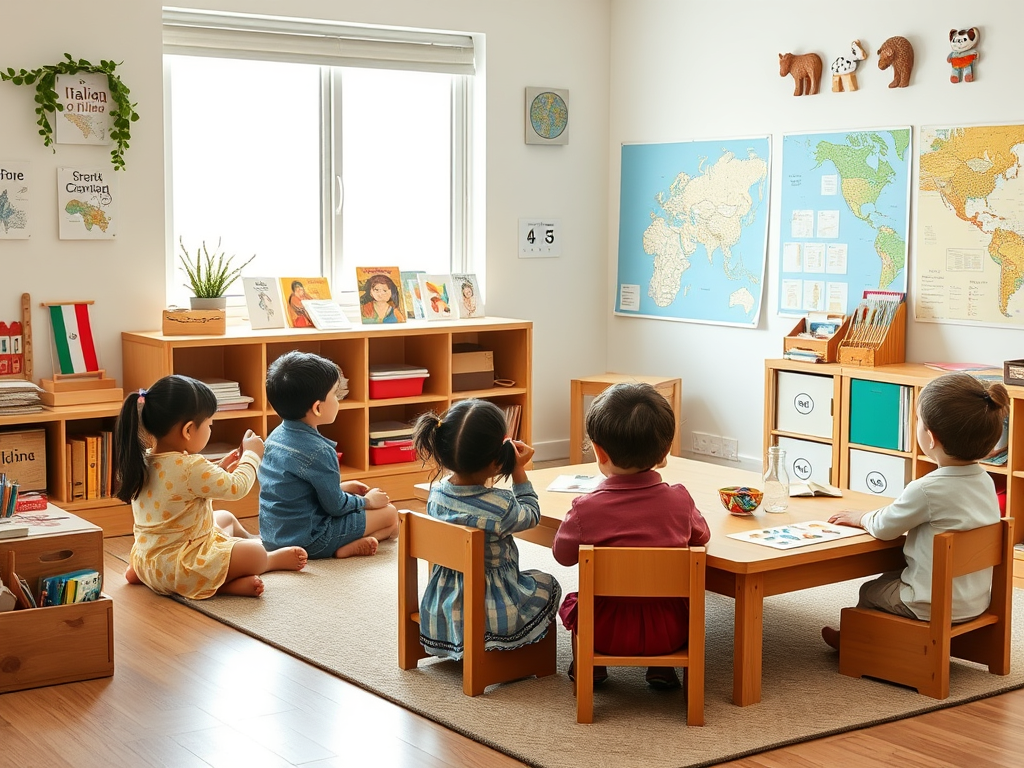
In a Montessori environment, children are not passively receiving information — they are active explorers, making choices, following their curiosity, and engaging deeply with the materials and the world around them. The teacher prepares the space, provides structure, and then gently steps back.
💫 This is especially powerful in the context of foreign language learning.
When children learn a second language through the Montessori approach, they’re not memorizing vocabulary for a test. They’re absorbing language naturally — through songs, movement, storytelling, hands-on materials, and meaningful conversation. They associate new words with real-life actions and objects, just as they did with their first language.
Language becomes a livingexperience, not an academic subject.
Montessori’s emphasis on repetition, freedom of choice, and a prepared environment supports deep internalization of a new language. The result? Children speak, sing, and think in the target language with joy — and often without realizing they’re “studying” at all.
That magical moment, when a child spontaneously uses a new word, sings a song with confidence, or understands instructions in a second language while fully engaged in their work — that’s the moment the teacher can smile and think: “They’re working as if I didn’t exist.”
And that is success.
🇮🇹 Riflessione Montessori + Apprendimento delle Lingue
“Il più grande segno di successo per un insegnante è poter dire: ‘I bambini stanno lavorando come se io non esistessi’.” – Maria Montessori
Questa citazione senza tempo riflette perfettamente il cuore della filosofia Montessori: il vero successo nell’educazione arriva quando l’insegnante non è più il centro dell’attenzione, ma piuttosto la guida dietro la crescente indipendenza, concentrazione e amore per l’apprendimento del bambino.
In un ambiente Montessori, i bambini non ricevono passivamente informazioni — sono esploratori attivi, fanno scelte, seguono la loro curiosità e si immergono profondamente nei materiali e nel mondo che li circonda. L’insegnante prepara lo spazio, offre una struttura e poi si fa da parte con delicatezza.
💫 Questo è particolarmente potente nel contesto dell’apprendimento delle lingue straniere.
Quando i bambini imparano una seconda lingua con il metodo Montessori, non memorizzano semplicemente vocaboli per un test. Assorbono la lingua in modo naturale — attraverso canzoni, movimento, narrazione, materiali pratici e conversazioni significative. Associano le nuove parole ad azioni e oggetti reali, proprio come hanno fatto con la loro prima lingua.
La lingua diventa un’esperienza viva, non una materia accademica.
L’enfasi di Montessori sulla ripetizione, la libertà di scelta e un ambiente preparato favorisce una profonda interiorizzazione della nuova lingua. Il risultato? I bambini parlano, cantano e pensano nella lingua target con gioia — spesso senza rendersi conto di stare “studiando” affatto.
Quel momento magico, quando un bambino usa spontaneamente una nuova parola, canta una canzone con sicurezza o capisce le istruzioni in una seconda lingua mentre è completamente immerso nel suo lavoro — è il momento in cui l’insegnante può sorridere e pensare: “Stanno lavorando come se io non esistessi.”
E quello è il vero successo.
🇪🇸 Reflexión Montessori + Aprendizaje de Idiomas
“La mayor señal de éxito para un maestro es poder decir: ‘Los niños están trabajando como si yo no existiera’.” – María Montessori
Esta cita atemporal refleja bellamente el corazón de la filosofía Montessori: el verdadero éxito en la educación llega cuando el maestro deja de ser el centro de atención y se convierte en la guía detrás de la creciente independencia, concentración y amor por el aprendizaje del niño.
En un ambiente Montessori, los niños no reciben información de manera pasiva — son exploradores activos, toman decisiones, siguen su curiosidad y se involucran profundamente con los materiales y el mundo que los rodea. El maestro prepara el espacio, ofrece estructura y luego se retira con delicadeza.
💫 Esto es especialmente poderoso en el contexto del aprendizaje de un idioma extranjero.
Cuando los niños aprenden un segundo idioma a través del método Montessori, no memorizan vocabulario para un examen. Absorben el idioma de forma natural — mediante canciones, movimiento, narración de cuentos, materiales prácticos y conversaciones significativas. Asocian las nuevas palabras con acciones y objetos reales, tal como hicieron con su primera lengua.
El idioma se convierte en una experiencia viva, no en una materia académica.
El énfasis de Montessori en la repetición, la libertad de elección y un ambiente preparado apoya una profunda internalización del nuevo idioma. ¿El resultado? Los niños hablan, cantan y piensan en el idioma objetivo con alegría — y a menudo sin darse cuenta de que están “estudiando” en absoluto.
Ese momento mágico, cuando un niño usa espontáneamente una palabra nueva, canta una canción con confianza o entiende instrucciones en un segundo idioma mientras está totalmente concentrado en su trabajo — es el momento en que el maestro puede sonreír y pensar: “Están trabajando como si yo no existiera.”
Even a happy life cannot be without a measure of darkness, and the word happy would lose its meaning if it were not balanced by sadness. It is far better to take things as they come along with patience and equanimity. — Carl Jung
This quote by Carl Jung beautifully captures a profound truth about the human experience: that happiness and sadness are not opposites to be avoided or chased, but two sides of the same coin.
“Even a happy life cannot be without a measure of darkness…”
Jung reminds us that even the most fulfilling life includes moments of difficulty, sorrow, and uncertainty — and that’s not a flaw, but a natural part of being alive. If we were to remove sadness entirely, happiness would lose its depth and meaning. It’s the contrast — the tension between light and shadow — that gives each its shape.
The second part of the quote is equally powerful:
“It is far better to take things as they come along with patience and equanimity.”
Rather than resisting life’s ups and downs, Jung advocates for a mindset of acceptance, balance, and inner calm — equanimity. This doesn’t mean passivity or indifference, but rather the strength to remain grounded even when life shifts unexpectedly.
In essence:
This quote invites us to embrace life’s full emotional spectrum, to stop fearing sadness, and to cultivate a steady inner peace — not by denying hardship, but by facing it with patience, understanding, and perspective.
🇮🇹 Una vita felice non può essere priva di una certa dose di oscurità, e la parola “felice” perderebbe il suo significato se non fosse bilanciata dalla tristezza. È molto meglio accettare le cose come vengono, con pazienza ed equanimità. — Carl Jung
Questa citazione di Carl Jung esprime con grande profondità una verità fondamentale sull’esperienza umana: la felicità e la tristezza non sono opposti da evitare o inseguire, ma due lati della stessa medaglia.
“Anche una vita felice non può essere priva di oscurità…”
Jung ci ricorda che anche le vite più piene e soddisfacenti includono momenti di difficoltà, dolore e incertezza — e non si tratta di un errore, ma di una parte naturale dell’essere vivi. Se eliminassimo completamente la tristezza, la felicità perderebbe profondità e significato. È proprio il contrasto — la tensione tra luce e ombra — che dà valore a entrambe.
La seconda parte è altrettanto potente:
“È molto meglio accettare le cose come vengono, con pazienza ed equanimità.”
Invece di resistere agli alti e bassi della vita, Jung ci invita a coltivare accettazione, equilibrio interiore e serenità. Questo non significa passività o distacco, ma la forza di rimanere centrati anche nei momenti di incertezza.
✨ In sintesi:
Questa riflessione ci invita ad abbracciare tutta la gamma delle emozioni umane, a non temere la tristezza, e a coltivare una calma interiore — non negando le difficoltà, ma affrontandole con pazienza, comprensione e prospettiva.
🇪🇸 Incluso una vida feliz no puede estar libre de cierta medida de oscuridad, y la palabra “feliz” perdería su significado si no estuviera equilibrada por la tristeza. Es mucho mejor aceptar las cosas tal como vienen, con paciencia y ecuanimidad. — Carl Jung
Esta cita de Carl Jung capta con gran profundidad una verdad esencial sobre la experiencia humana: la felicidad y la tristeza no son opuestos que debamos evitar o perseguir, sino dos caras de una misma moneda.
“Incluso una vida feliz no puede estar libre de oscuridad…”
Jung nos recuerda que incluso las vidas más plenas incluyen momentos de dificultad, dolor e incertidumbre, y eso no es un error, sino una parte natural de estar vivos. Si elimináramos la tristeza por completo, la felicidad perdería su profundidad y significado. Es precisamente el contraste —la tensión entre luz y sombra— lo que da valor a ambas.
La segunda parte también es poderosa:
“Es mucho mejor aceptar las cosas tal como vienen, con paciencia y ecuanimidad.”
En lugar de resistirnos a los altibajos de la vida, Jung nos anima a cultivar la aceptación, el equilibrio interior y la serenidad. Esto no significa pasividad, sino la fuerza de mantenernos firmes incluso en la incertidumbre.
✨ En resumen:
Esta reflexión nos invita a abrazar todo el espectro emocional humano, a no temer la tristeza, y a desarrollar una calma interior — no negando las dificultades, sino enfrentándolas con paciencia, comprensión y perspectiva.
I’m thrilled to welcome you—all learners, young and mature—as we open a fresh chapter of learning and discovery this school year!
To my students, whether you’re just starting your journey in Italian, Spanish, or English—or returning to deepen your skills—remember: every new word or phrase is a stepping-stone toward fluency and cultural connection. We’ll explore language together through creativity, conversation, and meaningful context.
To the parents, I sincerely appreciate your decision to invest in quality language education for your children. By choosing to learn Italian, Spanish, or English in a supportive learning environment, you’re giving your children much more than language skills—you’re nurturing cognitive development, cultural empathy, and lifelong confidence.
Studies consistently show that early exposure to a second language enhances memory, attention, and problem-solving abilities, while bilingual individuals often develop stronger multitasking skills, cognitive flexibility, and deeper cultural awareness.
What This Year Holds for You
Young learners will discover the joy of expressing themselves in a new language through games, songs, storytelling, and interactive experiences.
Older students and adults bring richness from your life experiences—and together, we’ll explore language with curiosity and purpose.
Together, we’ll not just learn languages—we’ll live them. I’m honored to guide you on this journey toward greater connection, understanding, and skill.
Here’s to a year full of words, wonder, and shared success! Benvenuti, bienvenidos, welcome!
Are you looking for a meaningful and engaging way for your child to learn a new language? Whether you’re interested in Italian, Spanish, or English, this free online session is the perfect opportunity to discover how my Montessori-inspired programs bring language and culture to life for children ages 3–9.
📣 You’re Invited!
Join us for a free, live video conference to learn how language learning can be joyful, hands-on, and rooted in Montessori values — even just a couple of hours per week.
🗓 Date: Tuesday, September 9 🕘 Time: 7:00 – 8:30 PM 💻 Where: Online 🎙 Language of presentation: English 👨👩👧👦 Who can attend: Parents and friends who are interested— all are welcome!
What You’ll Learn:
✔️ What is the Montessori method and how does it support language learning? ✔️ How does it compare with traditional teaching styles? ✔️ What does a Montessori-inspired language class look like? ✔️ Why even 2 hours per week can make a difference ✔️ Flexible options for 10, 12, or 15-week sessions ✔️ How to decide between Montessori or traditional program paths ✔️ Q&A with the instructor (me!)
This session is ideal for families considering fallenrollment and looking for high-quality, personalized language programs that support their child’s development and curiosity.
✨ Why Montessori for Language?
The Montessori approach respects each child’s pace, interests, and individuality. With hands-on materials, child-sized tools, and real-world connections, children don’t just study language — they experience it. Through food preparation, cultural projects, music, movement, games, and storytelling, children absorb vocabulary naturally and joyfully.
And yes — even in just 2 hours per week, your child can begin building a beautiful foundation in a second (or third!) language.
💬 Invite a Friend!
Feel free to share this event with friends, neighbors, and family members who might be interested in enrolling their children in Italian, Spanish, or English programs this fall. Whether they are native English speakers or multilingual families, all are welcome to attend.
📩 Interested in Attending?
If you’d like to join this free session, please contact me directly to reserve your spot and receive the access link and instructions.
Space is limited to maintain small group sizes and individualized attention.
As summer winds down and September peeks just around the corner, it’s the perfect time to pause, reset, and dedicate a moment to self-growth — and what better way to do that than by learning something new?
Whether you’re returning to school, shifting gears after a busy summer, or simply looking to enrich your life, Fall is an ideal season to invest in your mind and spirit. 🌟
I offer personalized, engaging lessons for children, teens, and adults, tailored to your goals, interests, and learning style. Whether you’re a complete beginner or looking to polish your fluency, I’ll help you build your confidence and joy in communication.
And learning doesn’t stop at language — I also offer art and cooking classes for all ages, designed to inspire creativity, build cultural awareness, and bring joy to your everyday life.
🍂 Why Start This Fall?
New Season, Fresh Start: Autumn is a season of transition — a natural time to set new intentions and routines.
Academic & Personal Growth: Boost school performance, expand career opportunities, or simply enrich your everyday conversations.
Flexibility & Convenience: With both in-person lessons in Boston and online options, you can learn wherever and whenever works best for you.
🌍 What I Offer
📌 Languages: Italian, Spanish, and English as a Second Language (ESL)
📌 Formats: Private one-on-one tutoring – In-Person in Boston or Online
📌 Scheduling: Daytime, Evenings, or Weekends – You choose what works best
📌 Curriculum: Customized to your goals — with engaging lessons that include culture, music, cuisine, geography, and history for a rich, immersive experience.
📌 Conversation Practice: Optional sessions focused on real-life topics like Health & Wellness, helping you grow in both language and confidence.
🎨 Art & Cooking Classes!
Looking to explore your creative side or enjoy a hands-on cultural experience? I also offer fun and enriching art and cooking classes for all ages — available in person or online. Whether you’re painting a Tuscan landscape or learning to make homemade empanadas, these classes bring language, culture, and creativity together in a truly engaging way.
Perfect for individuals, families, or small groups!
🧒 For Children (Preschool to Middle School)
✨ Learn through play – songs, games, art, and interactive materials ✨ Montessori-inspired approach to language learning ✨ All materials provided for a seamless experience
👩🎓 For Teens & Adults
✨ Master grammar, vocabulary, and pronunciation ✨ Focus on conversation and fluency ✨ Prepare for school, travel, or career needs ✨ Dive deep into personalized topics: history, culture, wellness & more
Let this September be a time to learn, grow, and connect — through language, art, and culture. 🌟 Whether you’re dreaming of traveling abroad, supporting your child’s learning, exploring your creativity, or just seeking meaningful enrichment, I’m here to help you take that next step.
📅 Spots are limited for Fall – reserve your lesson time today! Contact me to get started or ask any questions. I look forward to supporting your journey!








 Maria Conte Programs