The English alphabet appeared around the 5th century AD. Initially Anglo-Saxon graphic characters, called runes, were used for the alphabet. Then from the 7th century the characters were replaced by Latin letters with the arrival of Christian missionaries.
The English alphabet consists of 26 letters. There are 5 vowels (a, e, i, o, u); 2 semi-vowels (w, y) and and the rest by consonants.
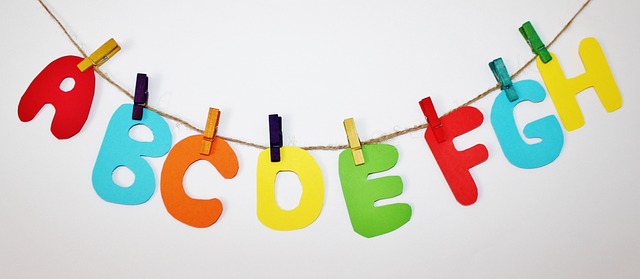
THE ENGLISH ALPHABET
A B C D E F G H I J K L M N O P Q R S T U V W X Y Z
Life was meant to be lived, and curiosity must be kept alive. One must never, for whatever reason, turn his back on life. – Eleanor Roosevelt
La vita è fatta per essere vissuta e la curiosità deve essere mantenuta viva. Non bisogna mai, per nessun motivo, voltare le spalle alla vita. – Eleanor Roosevelt
La vida está hecha para vivirla, y hay que mantener viva la curiosidad. Uno nunca debe, por la razón que sea, dar la espalda a la vida. – Eleanor Roosevelt
El alfabeto español se originó a partir del alfabeto latino, que a su vez se originó a partir del alfabeto griego. El alfabeto fue introducido por primera vez por los fenicios hacia el año 1200 a.C. Los fenicios inventaron signos escritos para representar sonidos. Más tarde, los griegos lo perfeccionaron con la introducción de las vocales.
El alfabeto español actual consta de 27 letras, 5 vocales y 22 consonantes.
Il nostro alfabeto è stato inizialmente creato dai Fenici intorno al 1200 a.C. I Fenici crearono una serie di segni scritti per rappresentare i suoni orali. L’alfabeto è stato poi rifinito dai Greci con l’introduzione delle vocali.
Comunque, l’alfabeto italiano sussegue quello latino, derivante da quello greco. Prende vita intorno al 750 a. C.
L’alfabeto italiano moderno consiste di 21 letters: cinque vocali e sedici consonanti.
The title of the English national anthem “God Save the King” is the English patriotic and popular piece of music that customarily serves as the British national and royal anthem.
History tells us that the anthem originated between 1736 and 1740, and adopted by the British realm as of September 28, 1744. A date that makes it for all intents and purposes the oldest national anthem in the world. However, there are no reliable sources of the author of the British anthem.
The English national anthem accompanies on all official occasions not only the countries of the United Kingdom, but also those Commonwealth countries that recognize the Queen or the King as Head of State as well as all British overseas territories.The content of the hymn is adjusted according to the gender of the incumbent royal.
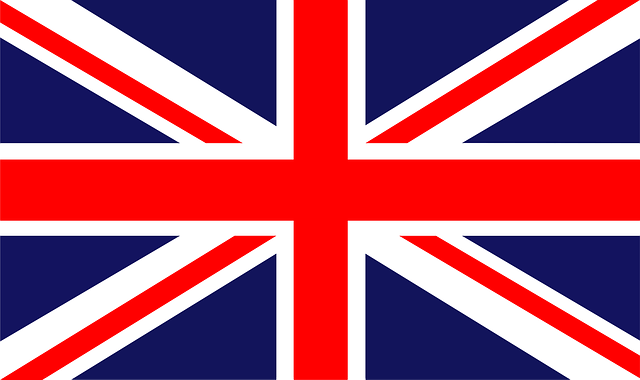
The British flag is known as the Flag of the Kingdom of Great Britain, Union Flag, or Union Jack. It is one flag that represents the whole of the United Kingdom.
The flag was adopted in 1801 following the Act of Union by which the Kingdom of Great Britain and the Kingdom of Ireland were united.In brief,the British flag is the sum of three separate flags: the red cross of St George for the Kingdom of England, the white Saltire of St Andrew for Scotland and the red Saltire of St Patrick to represent Ireland.
Blue, white and red are the colors of the British flag.Blue stands for loyalty; white symbolizes sincerity, and red represents courage.These colors are part of the historical and cultural baggage, therefore they are identified with the United Kingdom.
The British flag is used as the Civil and State Flag of the United Kingdom.








 Maria Conte Programs