

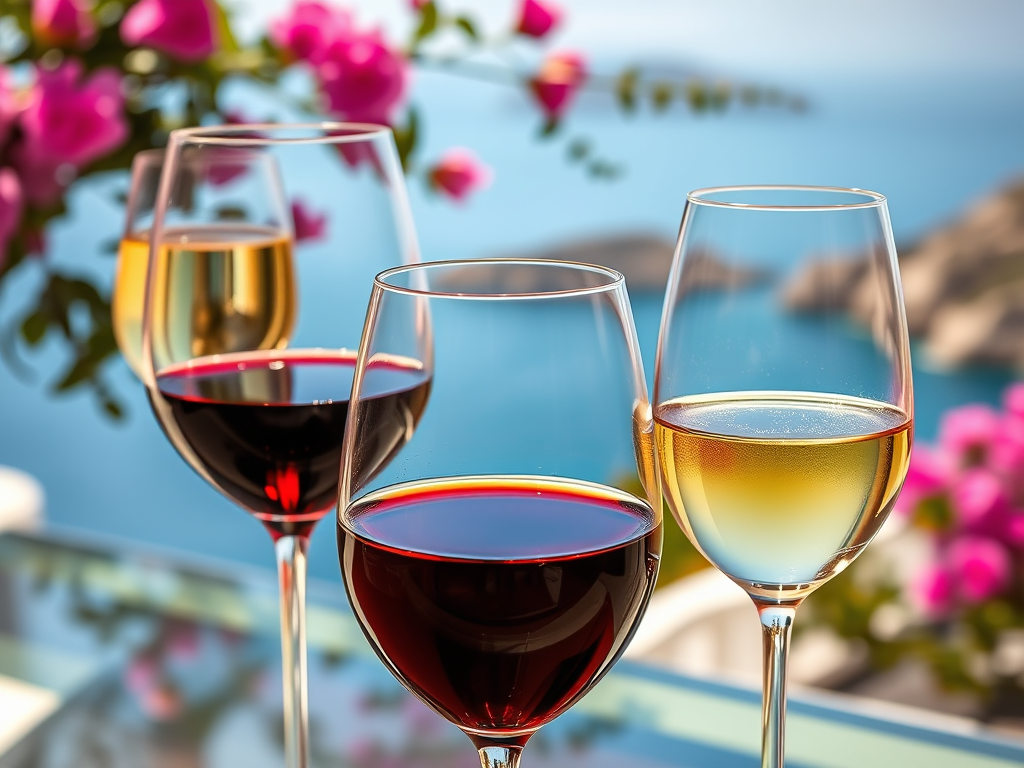
Da bambina, cresciuta nella piccola isola italiana di Ponza, sentivo spesso mia nonna ripetere il proverbio: “A San Martino ogni mosto diventa vino.”
Questa espressione, così semplice e poetica, racchiude tutta la bellezza della trasformazione: il tempo, la cura e la pazienza che trasformano il succo d’uva in vino.
In Italia, l’11 novembre, festa di San Martino, segna il momento in cui il mosto – il succo d’uva appena spremuto – completa la sua fermentazione e diventa vino. Nei piccoli paesi e nelle campagne, è una giornata di festa e di gratitudine. Le famiglie si riuniscono per assaggiare il vino novello, accompagnato da castagne arrostite e pane appena sfornato.
Una breve nota culturale:
San Martino di Tours, celebrato l’11 novembre, fu un soldato romano che divenne monaco e poi vescovo. È ricordato per il suo gesto di bontà: condivise il suo mantello con un povero durante una tempesta di neve. Nella tradizione contadina italiana, San Martino segna anche la fine dell’anno agricolo e il momento di assaggiare il vino novello. È una festa che simboleggia la generosità, il rinnovamento e il naturale ciclo del lavoro e della ricompensa.
A Ponza, dove ho trascorso la mia infanzia, questo proverbio non era solo un modo di dire, ma parte della nostra vita quotidiana.
Vengo da una famiglia di agricoltori da diverse generazioni, e mio padre, nel corso della sua vita, ha prodotto vini eccellenti, frutto della nostra terra e della sua grande passione.
Il terreno di Ponza, di origine vulcanica, è fertile e ricco di minerali. Il mare che circonda l’isola nutre le piante con la sua brezza salmastra e con i suoi preziosi elementi naturali. Ogni famiglia produceva il proprio vino — bianco, rosso o spumante — e ciascuno aveva un sapore unico, determinato dal tipo di uva, dal grado di maturazione e dall’esposizione al sole.
Il vino ponzese, senza conservanti, conserva ancora oggi un gusto autentico e naturale, apprezzato da chi conosce il valore della semplicità e della tradizione.
Oggi, ogni volta che sento dire “A San Martino ogni mosto diventa vino,” penso non solo al vino, ma anche alla vita. Con tempo, dedizione e amore, ogni nostro impegno può trasformarsi in qualcosa di meraviglioso.
🍷 Buon San Martino a tutti!
Che ognuno di noi possa celebrare le proprie trasformazioni interiori — con gratitudine, serenità e, perché no, un buon bicchiere di vino ponzese.
🇪🇸 🍇 “En San Martín todo mosto se convierte en vino” – Una pequeña sabiduría de mi isla, Ponza
Cuando era niña, en mi pequeña isla italiana de Ponza, mi abuela solía decir: “En San Martín todo mosto se convierte en vino.”
Esta expresión, tan sencilla y profunda, encierra el significado de la transformación, la paciencia y la recompensa del trabajo bien hecho.
En Italia, el 11 de noviembre, día de San Martino, marca el momento en que el mosto —el jugo recién exprimido de las uvas— completa su fermentación y se transforma en vino. En los pueblos, las familias se reúnen para probar el vino nuevo, acompañado de castañas asadas, pan casero y buena compañía.
Una breve nota cultural:
San Martín de Tours, celebrado el 11 de noviembre, fue un soldado romano que se convirtió en monje y luego en obispo. Es recordado por su acto de bondad: compartió la mitad de su capa con un hombre pobre durante una tormenta de nieve. En la cultura rural italiana, San Martino marca el final del año agrícola y el momento de probar el vino nuevo. Este día simboliza la generosidad, la renovación y el ciclo natural del trabajo y la recompensa.
En Ponza, donde pasé mi infancia, este dicho era parte viva de nuestra cultura.
Provengo de una familia de agricultores de varias generaciones, y mi padre, durante su vida, produjo vinos excelentes, reflejo de su esfuerzo, amor y del carácter único de nuestra tierra.
El suelo de Ponza, de origen volcánico, es fértil y rico en minerales. El mar que rodea la isla aporta otros elementos esenciales, dando a las plantas una fuerza especial y un sabor inconfundible a las uvas. Cada familia elaboraba su propio vino —blanco, tinto o espumoso— y cada uno tenía su toque particular, según el tipo de uva, la madurez y la exposición al sol.
El vino ponciano, sin conservantes, sigue siendo muy apreciado por su pureza, su autenticidad y su conexión con la naturaleza.
Hoy, cuando escucho “En San Martín todo mosto se convierte en vino,” pienso no solo en el vino, sino en las transformaciones de la vida. Con tiempo, dedicación y amor, todo puede florecer en algo extraordinario.
🍷 ¡Feliz día de San Martino!
Que todos podamos celebrar nuestras propias transformaciones —con gratitud, serenidad y, por supuesto, una copa de buen vino de Ponza.
🇬🇧 🍇“At Saint Martin’s Day, Every Must Becomes Wine” – A Taste of Tradition from My Island, Ponza
As a child growing up on the small Italian island of Ponza, I often heard my grandmother say, “A San Martino ogni mosto diventa vino.” This beautiful expression, which translates to “At Saint Martin’s Day, every must becomes wine,” captures the very essence of transformation, patience, and the rewards of honest work.
In Italy, November 11th, the feast of San Martino, marks the time when the grape must — the freshly pressed juice — completes its natural journey of fermentation and becomes wine. Across Italian villages, it’s a day filled with anticipation, gratitude, and celebration. Families gather to taste the vino novello (new wine), often paired with roasted chestnuts, local bread, and good company.
A Brief Cultural Note:
Saint Martin of Tours (San Martino), celebrated on November 11th, was a Roman soldier who became a monk and later a bishop. He is remembered for his act of kindness — sharing half of his cloak with a poor man during a snowstorm. In Italian rural culture, San Martino also marks the end of the agricultural year and the time to taste the new wine. The day symbolizes generosity, renewal, and the natural rhythm of work and reward.
On Ponza, where I spent my childhood, this saying was not just a proverb — it was part of everyday life. The island’s agricoltori (farmers) worked the rocky yet fertile soil, which, being of volcanic origin, nourished the vines with unique minerals. The surrounding sea added another precious element, carrying its own minerals and salty breeze that enriched the flavor of the grapes.
Every family produced its own wine — bianco, rosso, or spumante — each with its own distinct aroma and story. The differences came from the variety of grapes used, the degree of ripeness chosen, the exposure to the generous Mediterranean sun, and of course, the hand and heart of each winemaker. No two wines ever tasted the same, yet all shared that unmistakable Ponzese authenticity.
The Ponza wine, pure and preservative-free, was (and still is) deeply appreciated for its natural taste and its connection to the land and sea. For us children, the days around San Martino were magical — the island filled with the scent of fermenting grapes, the gentle chatter of the grown-ups, and the warmth of a community coming together to celebrate the fruits of its labor.
Today, whenever I hear “A San Martino ogni mosto diventa vino,” I think not only of wine but of life’s transformations — how time, care, and patience can turn something simple into something extraordinary.
It’s a reminder that just as the must becomes wine, our efforts, when nurtured with love and dedication, also come to fruition.
🍷 Buon San Martino a tutti!
May we all take a moment to celebrate the quiet transformations in our lives — with gratitude, warmth, and maybe, a small glass of good wine.
👉 Join our Montessori-inspired Italian, Spanish and English classes for children and adults— now enrolling in Boston!

 Maria Conte Programs