Montessori Reflection + Language Learning

“The greatest sign of success for a teacher is to be able to say: ‘The children are working as if I did not exist.‘” – Maria Montessori

This timeless quote beautifully reflects the heart of the Montessori philosophy: true success in education comes when the teacher is no longer the center of attention, but rather the guide behind a child’s growing independence, focus, and love for learning.

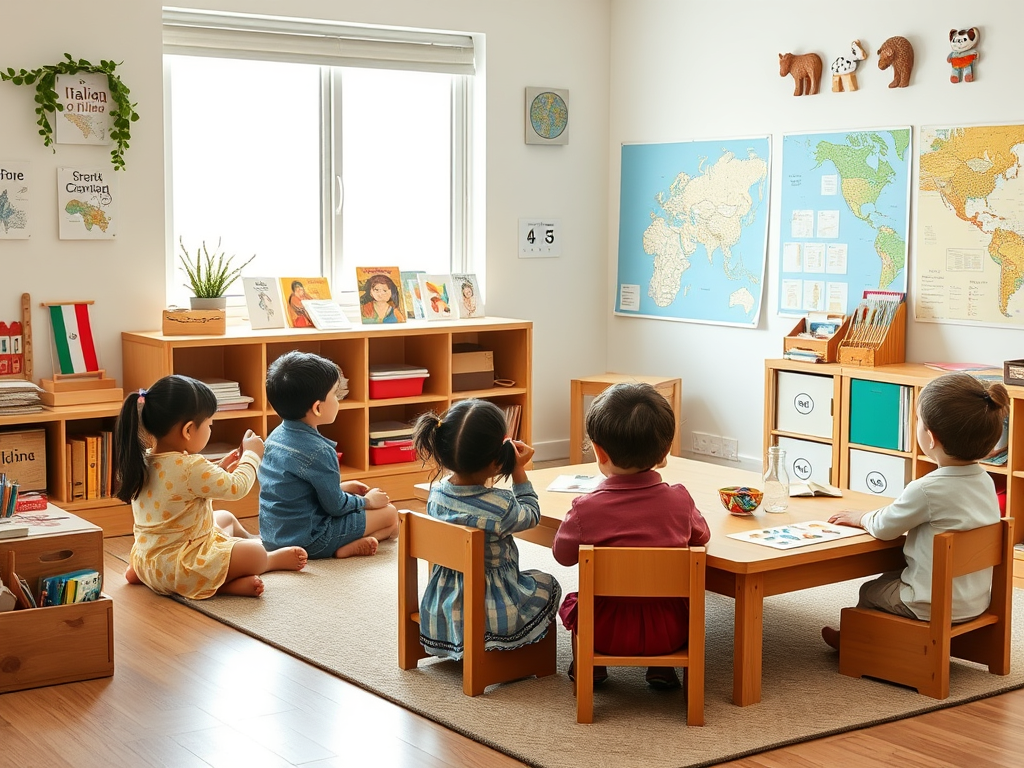
In a Montessori environment, children are not passively receiving information — they are active explorers, making choices, following their curiosity, and engaging deeply with the materials and the world around them. The teacher prepares the space, provides structure, and then gently steps back.

💫 This is especially powerful in the context of foreign language learning.

When children learn a second language through the Montessori approach, they’re not memorizing vocabulary for a test. They’re absorbing language naturally — through songs, movement, storytelling, hands-on materials, and meaningful conversation. They associate new words with real-life actions and objects, just as they did with their first language.

Language becomes a living experience, not an academic subject.

Montessori’s emphasis on repetition, freedom of choice, and a prepared environment supports deep internalization of a new language. The result? Children speak, sing, and think in the target language with joy — and often without realizing they’re “studying” at all.

That magical moment, when a child spontaneously uses a new word, sings a song with confidence, or understands instructions in a second language while fully engaged in their work — that’s the moment the teacher can smile and think:
“They’re working as if I didn’t exist.”

And that is success.

🇮🇹 Riflessione Montessori + Apprendimento delle Lingue

“Il più grande segno di successo per un insegnante è poter dire: ‘I bambini stanno lavorando come se io non esistessi’.” – Maria Montessori

Questa citazione senza tempo riflette perfettamente il cuore della filosofia Montessori: il vero successo nell’educazione arriva quando l’insegnante non è più il centro dell’attenzione, ma piuttosto la guida dietro la crescente indipendenza, concentrazione e amore per l’apprendimento del bambino.

In un ambiente Montessori, i bambini non ricevono passivamente informazioni — sono esploratori attivi, fanno scelte, seguono la loro curiosità e si immergono profondamente nei materiali e nel mondo che li circonda. L’insegnante prepara lo spazio, offre una struttura e poi si fa da parte con delicatezza.

💫 Questo è particolarmente potente nel contesto dell’apprendimento delle lingue straniere.

Quando i bambini imparano una seconda lingua con il metodo Montessori, non memorizzano semplicemente vocaboli per un test. Assorbono la lingua in modo naturale — attraverso canzoni, movimento, narrazione, materiali pratici e conversazioni significative. Associano le nuove parole ad azioni e oggetti reali, proprio come hanno fatto con la loro prima lingua.

La lingua diventa un’esperienza viva, non una materia accademica.

L’enfasi di Montessori sulla ripetizione, la libertà di scelta e un ambiente preparato favorisce una profonda interiorizzazione della nuova lingua. Il risultato? I bambini parlano, cantano e pensano nella lingua target con gioia — spesso senza rendersi conto di stare “studiando” affatto.

Quel momento magico, quando un bambino usa spontaneamente una nuova parola, canta una canzone con sicurezza o capisce le istruzioni in una seconda lingua mentre è completamente immerso nel suo lavoro — è il momento in cui l’insegnante può sorridere e pensare:
“Stanno lavorando come se io non esistessi.”

E quello è il vero successo.

🇪🇸 Reflexión Montessori + Aprendizaje de Idiomas

“La mayor señal de éxito para un maestro es poder decir: ‘Los niños están trabajando como si yo no existiera’.” – María Montessori

Esta cita atemporal refleja bellamente el corazón de la filosofía Montessori: el verdadero éxito en la educación llega cuando el maestro deja de ser el centro de atención y se convierte en la guía detrás de la creciente independencia, concentración y amor por el aprendizaje del niño.

En un ambiente Montessori, los niños no reciben información de manera pasiva — son exploradores activos, toman decisiones, siguen su curiosidad y se involucran profundamente con los materiales y el mundo que los rodea. El maestro prepara el espacio, ofrece estructura y luego se retira con delicadeza.

💫 Esto es especialmente poderoso en el contexto del aprendizaje de un idioma extranjero.

Cuando los niños aprenden un segundo idioma a través del método Montessori, no memorizan vocabulario para un examen. Absorben el idioma de forma natural — mediante canciones, movimiento, narración de cuentos, materiales prácticos y conversaciones significativas. Asocian las nuevas palabras con acciones y objetos reales, tal como hicieron con su primera lengua.

El idioma se convierte en una experiencia viva, no en una materia académica.

El énfasis de Montessori en la repetición, la libertad de elección y un ambiente preparado apoya una profunda internalización del nuevo idioma. ¿El resultado? Los niños hablan, cantan y piensan en el idioma objetivo con alegría — y a menudo sin darse cuenta de que están “estudiando” en absoluto.

Ese momento mágico, cuando un niño usa espontáneamente una palabra nueva, canta una canción con confianza o entiende instrucciones en un segundo idioma mientras está totalmente concentrado en su trabajo — es el momento en que el maestro puede sonreír y pensar:
“Están trabajando como si yo no existiera.”

Y ese es el éxito.

September Is Around the Corner – Let’s Learn Something New! 🍁📚

As summer winds down and September peeks just around the corner, it’s the perfect time to pause, reset, and dedicate a moment to self-growth — and what better way to do that than by learning something new?

Whether you’re returning to school, shifting gears after a busy summer, or simply looking to enrich your life, Fall is an ideal season to invest in your mind and spirit. 🌟

I offer personalized, engaging lessons for children, teens, and adults, tailored to your goals, interests, and learning style. Whether you’re a complete beginner or looking to polish your fluency, I’ll help you build your confidence and joy in communication.

And learning doesn’t stop at language — I also offer art and cooking classes for all ages, designed to inspire creativity, build cultural awareness, and bring joy to your everyday life.


🍂 Why Start This Fall?

  • New Season, Fresh Start: Autumn is a season of transition — a natural time to set new intentions and routines.
  • Academic & Personal Growth: Boost school performance, expand career opportunities, or simply enrich your everyday conversations.
  • Flexibility & Convenience: With both in-person lessons in Boston and online options, you can learn wherever and whenever works best for you.

🌍 What I Offer

📌 Languages:
Italian, Spanish, and English as a Second Language (ESL)

📌 Formats:
Private one-on-one tutoring – In-Person in Boston or Online

📌 Scheduling:
Daytime, Evenings, or Weekends – You choose what works best

📌 Curriculum:
Customized to your goals — with engaging lessons that include culture, music, cuisine, geography, and history for a rich, immersive experience.

📌 Conversation Practice:
Optional sessions focused on real-life topics like Health & Wellness, helping you grow in both language and confidence.


🎨 Art & Cooking Classes!

Looking to explore your creative side or enjoy a hands-on cultural experience?
I also offer fun and enriching art and cooking classes for all ages — available in person or online. Whether you’re painting a Tuscan landscape or learning to make homemade empanadas, these classes bring language, culture, and creativity together in a truly engaging way.

Perfect for individuals, families, or small groups!


🧒 For Children (Preschool to Middle School)

✨ Learn through play – songs, games, art, and interactive materials
✨ Montessori-inspired approach to language learning
✨ All materials provided for a seamless experience


👩‍🎓 For Teens & Adults

✨ Master grammar, vocabulary, and pronunciation
✨ Focus on conversation and fluency
✨ Prepare for school, travel, or career needs
✨ Dive deep into personalized topics: history, culture, wellness & more


Let this September be a time to learn, grow, and connect — through language, art, and culture. 🌟 Whether you’re dreaming of traveling abroad, supporting your child’s learning, exploring your creativity, or just seeking meaningful enrichment, I’m here to help you take that next step.

📅 Spots are limited for Fall – reserve your lesson time today!
Contact me to get started or ask any questions. I look forward to supporting your journey!

🇮🇹 Il Gelato al Pistacchio: Una Delizia Tutta Italiana

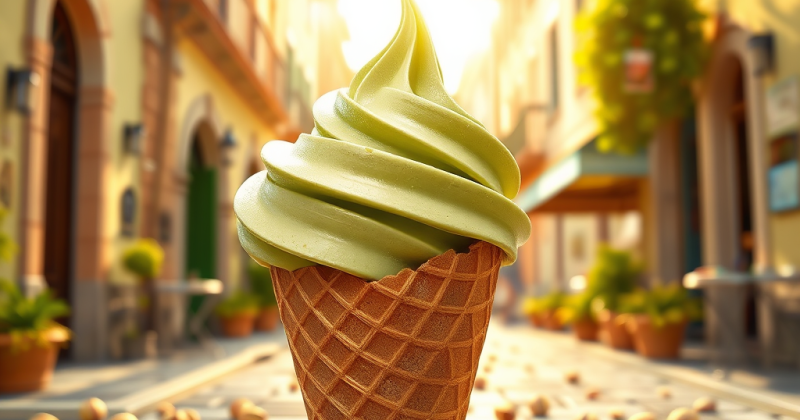
Quando si pensa all’Italia, è impossibile non immaginare un cono di gelato cremoso gustato passeggiando tra i vicoli assolati di una città d’arte. Tra i tanti gusti amati in tutto il mondo, ce n’è uno che racchiude il cuore della tradizione e della qualità artigianale italiana: il gelato al pistacchio.

🌱 Origini Nobili

Il pistacchio è coltivato in Italia da secoli, ma è nella soleggiata Sicilia, e in particolare a Bronte, che cresce il pistacchio più rinomato e pregiato. Chiamato spesso “oro verde”, il pistacchio di Bronte è ricco di aroma, colore e sapore inconfondibili. Non è un caso che venga utilizzato nei migliori laboratori artigianali per produrre un gelato che non ha eguali nel mondo.

🍨 Un Gusto, Mille Varianti

Non tutti i gelati al pistacchio sono uguali! Alcuni sono dolci e delicati, altri più intensi e tostati. La differenza spesso la fa la qualità del pistacchio utilizzato: il vero gelato artigianale è preparato con pasta di pistacchi naturali, senza coloranti artificiali. Attenzione ai gelati dal colore verde acceso: spesso sono quelli meno autentici!

❤️ Perché lo Amiamo?

Il gelato al pistacchio è una fusione perfetta di dolcezza e sapore salato, cremosità e croccantezza. È elegante, soddisfacente e sorprendentemente complesso. Per molti italiani, è il “gusto della verità”: quello che si sceglie per capire se una gelateria è davvero all’altezza.

📚 Curiosità Linguistica

Lo sapevi che la parola pistacchio viene dal latino pistacium, a sua volta dal greco pistákion? Una piccola parola che porta con sé secoli di storia, viaggi e contaminazioni culturali — proprio come la lingua italiana!


✨ Assaggiare è un Viaggio

Il gelato al pistacchio non è solo un piacere per il palato: è un piccolo viaggio nella cultura, nei sapori e nella tradizione italiana. Che tu lo preferisca in cono, in coppetta, o magari accompagnato da una brioche siciliana, una cosa è certa: ogni cucchiaiata è un abbraccio all’Italia.

🇪🇸 El Helado de Pistacho: Una Delicia Muy Italiana

Cuando pensamos en Italia, es imposible no imaginar un cucurucho de helado cremoso saboreado mientras se pasea por callejuelas bañadas por el sol. Entre los muchos sabores apreciados en todo el mundo, hay uno que encierra la esencia de la tradición y la calidad artesanal italiana: el helado de pistacho.

🌱 Orígenes Nobles

El pistacho se cultiva en Italia desde hace siglos, pero es en la soleada Sicilia, especialmente en Bronte, donde crece el pistacho más famoso y valioso. A menudo llamado el “oro verde“, el pistacho de Bronte tiene un aroma, un color y un sabor inconfundibles. No es casualidad que sea el ingrediente estrella en las mejores heladerías artesanales.

🍨 Un Sabor, Mil Variaciones

¡No todos los helados de pistacho son iguales! Algunos son dulces y suaves, otros tienen un sabor más intenso y tostado. La diferencia suele estar en la calidad del pistacho utilizado: el verdadero helado artesanal se elabora con pasta de pistacho natural, sin colorantes artificiales. ¡Cuidado con los helados de color verde brillante!

❤️ ¿Por Qué Nos Encanta?

El helado de pistacho es una combinación perfecta de dulzura y sabor salado, cremosidad y un toque crujiente. Es elegante, satisfactorio y sorprendentemente complejo. Para muchos italianos, es el “sabor de la verdad”: el que se elige para saber si una heladería es realmente buena.

📚 Curiosidad Lingüística

¿Sabías que la palabra pistacho proviene del latín pistacium, y este del griego pistákion? Una palabra pequeña que lleva consigo siglos de historia, viajes e influencias culturales — ¡igual que la lengua italiana!


✨ Probarlo Es Un Viaje

El helado de pistacho no es solo un placer para el paladar: es un pequeño viaje por la cultura, los sabores y la tradición italiana. Ya sea en cucurucho, en tarrina o acompañado de una brioche siciliana, hay algo seguro: cada cucharada es un abrazo a Italia.

🇬🇧 Pistachio Gelato: A Truly Italian Delight

When we think of Italy, it’s impossible not to picture a creamy gelato enjoyed while strolling through sunlit alleys. Among the many beloved flavors around the world, one truly captures the heart of Italian tradition and artisanal quality: pistachio gelato.

🌱 Noble Origins

Pistachios have been grown in Italy for centuries, but the most prized and flavorful variety thrives in sunny Sicily, especially in the town of Bronte. Often called “green gold,” Bronte pistachios are known for their deep flavor, vibrant color, and rich aroma. It’s no surprise that they’re used in the finest artisanal gelato across the country.

🍨 One Flavor, Many Variations

Not all pistachio gelato is created equal! Some are sweet and delicate, while others have a more toasted, intense flavor. The difference often lies in the quality of the pistachios: true artisan gelato is made with pure pistachio paste — no artificial coloring. Beware of bright green gelato — it usually means less authenticity!

❤️ Why Do We Love It?

Pistachio gelato is a perfect balance of sweetness and nuttiness, creaminess and subtle crunch. It’s elegant, satisfying, and surprisingly complex. For many Italians, it’s considered the “truth-teller” flavor — the one they choose to test if a gelateria is truly worth its name.

📚 A Little Linguistic Curiosity

Did you know the word pistachio comes from the Latin pistacium, which in turn comes from the Greek pistákion? A small word carrying centuries of history, travel, and cultural exchange — much like the Italian language itself!


✨ A Taste That Takes You Places

Pistachio gelato isn’t just a treat — it’s a little journey into the heart of Italian culture, flavor, and tradition. Whether you enjoy it in a cone, a cup, or inside a Sicilian brioche, one thing’s for sure: every spoonful is a warm embrace of Italy.

Granita al caffè servita con panna: l’essenza dell’estate italiana

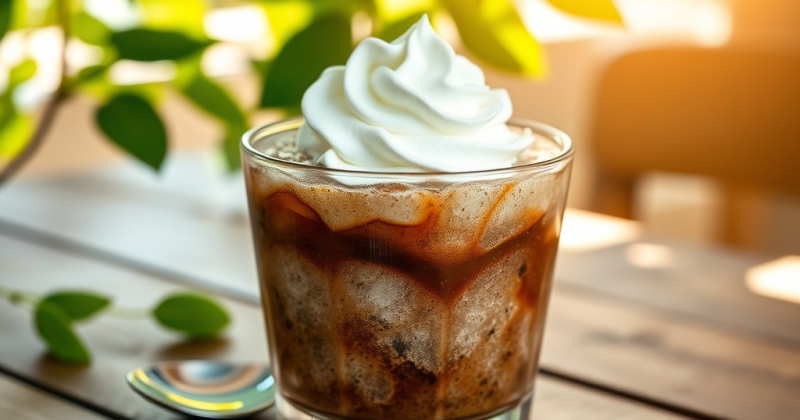
C’è qualcosa di profondamente evocativo in una granita al caffè servita con panna. Più che un semplice dessert estivo, è un piccolo rito quotidiano che racconta l’anima dell’estate italiana—specialmente al Sud, dove ogni dettaglio è curato con amore e semplicità.

La granita al caffè ha una consistenza leggermente granulosa, più leggera del gelato, ma altrettanto intensa nel sapore. Il gusto deciso del caffè si sposa alla perfezione con la dolcezza vellutata della panna montata fresca, creando un contrasto irresistibile che conquista al primo cucchiaino.

Un piacere che rallenta il tempo

Gustare una granita al caffè è un invito a rallentare, a godersi il momento. È perfetta per una colazione estiva alternativa o una merenda rinfrescante. Si gusta con calma, preferibilmente all’ombra, lasciandosi trasportare dal suo ritmo lento e rilassato.

Un piccolo lusso fatto in casa

Anche lontano dalla Sicilia, possiamo lasciarci ispirare da questa tradizione. Prepararla a casa è sorprendentemente semplice: basta un buon caffè espresso, zucchero a piacere, un po’ di pazienza e tanto amore. Il segreto sta nella consistenza: va mescolata regolarmente durante il congelamento per ottenere la giusta “granulosità”. Al momento di servire, aggiungete una generosa dose di panna montata non zuccherata, per bilanciare perfettamente la forza del caffè.

Un assaggio d’estate, ovunque vi troviate

Questa è la magia della granita al caffè: riesce a regalare un momento speciale, ovunque ci si trovi. È una coccola semplice, ma elegante, che parla di sole, conversazioni lente e piaceri autentici.

Se non l’avete ancora provata, lasciatevi tentare. Potrebbe diventare il vostro nuovo rito dell’estate.

🇬🇧 English Version

Coffee Granita with Whipped Cream: The Essence of the Italian Summer

There’s something deeply evocative about a coffee granita served with freshly whipped cream. More than just a summer dessert, it’s a small daily ritual that captures the spirit of the Italian summer—especially in the South, where every detail is crafted with love and simplicity.

Coffee granita has a slightly grainy texture, lighter than gelato but just as rich in flavor. The bold taste of the coffee pairs beautifully with the smooth sweetness of fresh whipped cream, creating an irresistible contrast from the very first spoonful.

A Pleasure That Slows Down Time

Enjoying a coffee granita is an invitation to slow down and savor the moment. It’s perfect as a refreshing afternoon treat or even an alternative summer breakfast. Best enjoyed in the shade, it brings with it a calm rhythm and a taste of long, slow summer days.

A Simple Luxury You Can Make at Home

Even far from Sicily, we can be inspired by this beautiful tradition. Making it at home is surprisingly simple: all you need is strong espresso, a bit of sugar, patience, and a touch of love. The secret lies in the texture: stir it regularly as it freezes to achieve that perfect graininess. When ready to serve, top it with a generous dollop of unsweetened whipped cream to perfectly balance the richness of the coffee.

A Taste of Summer, Wherever You Are

This is the magic of coffee granita: it can offer a special moment, no matter where you are. It’s a simple yet elegant treat that speaks of sunshine, slow conversations, and genuine pleasures.

If you haven’t tried it yet, give it a chance—it just might become your new favorite summer ritual.

🇪🇸 Versión en Español

Granizado de café con nata: la esencia del verano italiano

Hay algo profundamente evocador en un granizado de café servido con nata montada fresca. Más que un simple postre veraniego, es un pequeño ritual cotidiano que encierra el espíritu del verano italiano, especialmente en el sur, donde cada detalle se cuida con amor y sencillez.

El granizado de café tiene una textura ligeramente granulada, más ligera que el helado, pero igual de intensa en sabor. El gusto fuerte del café se combina maravillosamente con la suavidad dulce de la nata fresca, creando un contraste irresistible desde la primera cucharada.

Un placer que detiene el tiempo

Disfrutar de un granizado de café es una invitación a frenar el ritmo y saborear el momento. Es perfecto como merienda refrescante o incluso como un desayuno alternativo en los días calurosos. Se disfruta mejor a la sombra, acompañando la calma de los largos días de verano.

Un pequeño lujo que puedes preparar en casa

Incluso lejos de Sicilia, podemos dejarnos inspirar por esta hermosa tradición. Prepararlo en casa es más fácil de lo que parece: solo necesitas un buen café espresso, un poco de azúcar, paciencia y una pizca de cariño. El secreto está en la textura: hay que remover la mezcla regularmente mientras se congela para lograr la granulosidad perfecta. Y al servir, no olvides una generosa capa de nata montada sin azúcar para equilibrar la intensidad del café.

Un sabor de verano, estés donde estés

Esa es la magia del granizado de café: puede regalarte un momento especial, estés donde estés. Es un capricho sencillo pero elegante, que habla de sol, de conversaciones lentas y de placeres auténticos.

Si aún no lo has probado, anímate. Puede convertirse en tu nuevo ritual favorito del verano.

🍋 Limonata Fatta in Casa: La Regina delle Bevande Estive

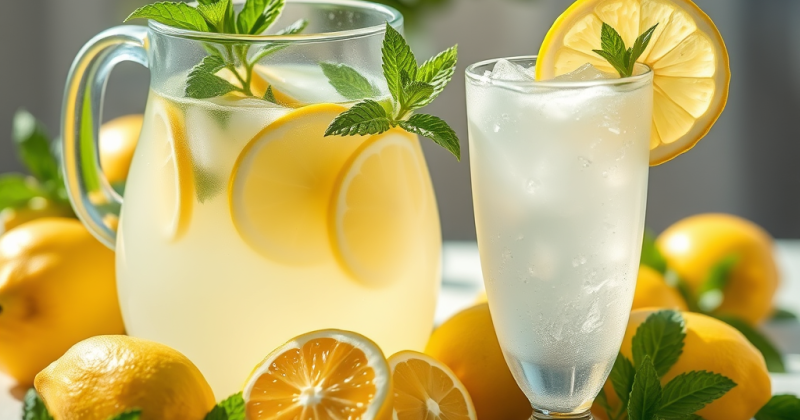
C’è qualcosa di magico nella semplicità di una limonata fresca fatta in casa. Pochi ingredienti, profumo d’estate e un sorso che sa di sole, relax e tavolate all’aperto. Oggi ti mostro come prepararla in modo facile e veloce — con qualche consiglio in più per renderla ancora più gustosa.


✨ Perché fare la limonata in casa?

  • È più sana di quelle confezionate (niente conservanti né zuccheri raffinati in eccesso).
  • È personalizzabile: dolce o acidula, classica o aromatizzata.
  • Si prepara in meno di 10 minuti!

🍋 Ingredienti per 1 litro di limonata

  • 4 limoni grandi non trattati (meglio se biologici)
  • 1 litro di acqua fredda
  • 3–4 cucchiai di zucchero di canna o miele (regola secondo il gusto)
  • Ghiaccio q.b.
  • Foglioline di menta fresca (facoltative, ma consigliatissime!)

🧊 Preparazione

  1. Spremi i limoni e filtra il succo per eliminare semi e polpa in eccesso.
  2. In una caraffa capiente, sciogli lo zucchero in un bicchiere d’acqua tiepida (così si amalgama meglio).
  3. Aggiungi il succo di limone e il resto dell’acqua fredda.
  4. Mescola bene, aggiungi ghiaccio e, se vuoi, qualche foglia di menta o fettina di limone per decorare.
  5. Lascia in frigo per almeno 30 minuti prima di servire: sarà ancora più rinfrescante.

🍯 Varianti da provare

  • Limonata al miele e zenzero: ottima anche per la digestione!
  • Limonata frizzante: sostituisci metà dell’acqua con acqua gassata.
  • Limonata rosa: aggiungi un po’ di succo di fragola o frutti rossi per un tocco di colore.

💬 Conclusione

La limonata è più di una semplice bevanda: è un piccolo rito estivo, fatto di gesti semplici e sapori autentici. Preparala quando vuoi concederti un momento fresco, genuino e fatto con le tue mani.

Hai una tua versione della limonata preferita? Scrivila nei commenti o condividila con chi ami l’estate quanto te! 🌞

🇪🇸 VERSIÓN EN ESPAÑOL: Limonada Casera — La Reina de las Bebidas del Verano 🍋

Hay algo mágico en un vaso de limonada casera: pocos ingredientes, sabor fresco y ese toque cítrico que nos transporta al verano en un instante. Aquí te muestro cómo prepararla fácil y rápido en casa.

🍋 Ingredientes (para 1 litro)

  • 4 limones grandes (mejor si son ecológicos)
  • 1 litro de agua fría
  • 3–4 cucharadas de azúcar moreno o miel (ajusta al gusto)
  • Hielo
  • Hojas de menta fresca (opcional)

🧊 Preparación

  1. Exprime los limones y cuela el jugo.
  2. Disuelve el azúcar en un poco de agua tibia.
  3. En una jarra, mezcla el jugo de limón con el resto del agua fría.
  4. Agrega hielo, hojas de menta o rodajas de limón si quieres.
  5. Refrigera al menos 30 minutos y ¡listo para disfrutar!

🌿 Variaciones que puedes probar

  • Limonada con miel y jengibre
  • Limonada con agua con gas
  • Limonada rosa (con jugo de fresas o frutos rojos)

🏖️ Conclusión

La limonada casera no es solo una bebida, es un pequeño ritual de verano. Hazla tuya y compártela con quienes más quieres.

🇬🇧 ENGLISH VERSION: Homemade Lemonade — The Queen of Summer Drinks 🍋

There’s something magical about a glass of homemade lemonade. Just a few ingredients, a burst of sunshine, and that refreshing taste that instantly brings summer to life. Here’s how to make your own — naturally sweet, beautifully tart, and incredibly refreshing.

🍋 Ingredients (for 1 liter)

  • 4 large lemons (preferably organic)
  • 1 liter of cold water
  • 3–4 tablespoons brown sugar or honey (adjust to taste)
  • Ice cubes
  • Fresh mint leaves (optional but lovely!)

🧊 Instructions

  1. Squeeze the lemons and strain the juice.
  2. Dissolve the sugar in a bit of warm water (so it blends easily).
  3. Add lemon juice and cold water to a pitcher.
  4. Stir well, add ice, mint, and lemon slices if you like.
  5. Chill for 30 minutes and enjoy the taste of summer!

🌿 Fun Variations

  • Honey & ginger lemonade
  • Sparkling lemonade (use sparkling water)
  • Pink lemonade (add strawberry or raspberry juice)

🏖️ Final Thoughts

Homemade lemonade is more than a drink — it’s a little summer ritual. Try it your way and share it with the people you love!