Looking to practice your Italian in a fun, relaxed setting while diving into the richness of Italian culture? Whether you’re just starting out or looking to take your conversational skills to the next level, we have a course designed for you!
We’re excited to offer two separate Italian conversation courses — one for beginners and one for intermediate learners — to help you build confidence, vocabulary, and fluency through cultural exploration and authentic language use.
🎯 Course Highlights:
Over the course of four weeks, each 1.5-hour session will guide you through engaging themes that bring the Italian language to life. You’ll explore:
🍝 Italian Cuisine & Mealtime Customs 🎨 Famous Art & Artists 🎶 Italian Music & Pop Culture 🏛️ Everyday Life, Holidays & Traditions
Each meeting includes interactive activities, video clips, vibrant visuals, and lots of practical conversation practice—so you’re not just learning the language, you’re living it.
🗣️ What You’ll Gain:
Beginners Course: Build essential vocabulary, simple sentence structures, and everyday expressions in a welcoming, supportive environment.
Intermediate Course: Strengthen your fluency, broaden your vocabulary, and engage in more complex, spontaneous conversation about real-life topics.
You’ll also gain a deeper appreciation for Italian culture—while connecting with others who share your passion for the language!
📍 Course Details:
Format: Hybrid (Online or in-person as arranged)
Dates: June 2 – July 19 (flexible scheduling based on group availability)
Session Length: 1.5 hours
Duration: 4 weeks
Start Date & Meeting Times: To be coordinated with participants
Location: Online (with potential for in-person options based on group availability)
✨ Please note: This special course is not listed on my website. It’s reserved for current and past students like you.
Are you looking for a joyful and enriching summer experience for your child? Welcome to our Art & Language Summer Program for Children—a creative and nurturing space where kids dive into hands-on art, music, and movement while naturally absorbing a new language!
This isn’t your typical summer class. Each session is filled with laughter, learning, and imagination—a perfect blend of fun and educational activities designed to engage your child’s curiosity and creativity.
🎨 What to Expect:
Each 1.5-hour session includes one exciting art project, chosen by parents based on their child’s interests. Some of our popular activities include:
Canvas Painting – Every child becomes a mini artist, creating their own colorful masterpiece.
Seashell Painting – Nature and creativity meet with beach-inspired beauty.
Bead Threading – Fine motor skills and artistic expression come together through handmade jewelry.
Collage Making – Let imaginations run wild with textures, shapes, and layers.
…and many more magical mini-projects!
🌍 Language & Learning Through Play:
Each class includes interactive language immersion in your choice of Italian, English, or Spanish, infused through:
🎵 Songs and movement games that build vocabulary and rhythm
🎭 Interactive role-play and language games that keep learning natural and fun
🎈 Screen-free, joyful social time to create, play, and connect
📆 Flexible & Personalized:
Parents can choose individual or group lessons
Sessions and locations are arranged based on mutual availability
Affordable group rate: $48 per child per session (1.5 hrs)
Families with 3 children receive a $5 discount for the third child
Refer a friend who enrolls and get a $5 discount on your next session!
📩 To enroll, please contact me directly via email to reserve your spot, select your child’s art projects, preferred language, and coordinate session times and locations.
Spots are limited—let’s create a summer full of creativity, laughter, and learning!
Nel mondo digitale di oggi, i social media sono diventati una parte integrante delle nostre vite. Dallo stare in contatto con amici e familiari all’accesso a notizie e intrattenimento, piattaforme come Facebook, Instagram e TikTok sono a portata di mano. Tuttavia, per molte persone, queste piattaforme sono passate dall’essere strumenti di connessione a fonti di distrazione e dipendenza.
L’Aumento della Dipendenza dai Social Media
La dipendenza dai social media è una preoccupazione crescente nella società moderna. Molti individui si trovano a trascorrere ore e ore a scorrere i loro feed, cercando aggiornamenti o confrontando le loro vite con quelle idealizzate che vengono presentate online. Il bisogno costante di conferme, tramite like o commenti, può generare un ciclo malsano, rendendo difficile staccarsi anche quando questo impatta negativamente sul nostro tempo, sulle relazioni e sul benessere.
Gli Effetti Negativi della Dipendenza dai Social Media
Problemi di Salute Mentale: Gli studi hanno dimostrato un legame tra l’uso eccessivo dei social media e disturbi come ansia, depressione e bassa autostima. L’assalto costante di immagini curate e perfette può far sentire le persone inadeguate o scollegate dalla realtà.
Disturbi del Sonno: Scorrere i social media fino a tarda notte interrompe il nostro ciclo del sonno, portando a scarsa qualità del sonno, stanchezza e produttività ridotta durante il giorno.
Interazioni nel Mondo Reale in Diminuzione: Passare più tempo online può comportare il trascurare i legami faccia a faccia, facendoci sentire più soli e isolati, nonostante siamo “connessi” su una piattaforma digitale.
Il Lato Positivo dei Social Media
Anche se l’uso eccessivo può essere dannoso, i social media hanno anche i loro vantaggi se usati in modo consapevole. Permettono:
Networking e Crescita Professionale: Piattaforme come LinkedIn aiutano i professionisti a connettersi con persone che condividono interessi simili e ad aprire porte per nuove opportunità lavorative.
Consapevolezza ed Educazione: I social media permettono agli utenti di entrare in contatto con un’enorme quantità di informazioni, dalle ultime notizie ai contenuti educativi, e aiutano a sensibilizzare su temi sociali importanti.
Ispirazione e Supporto: Per chi sta affrontando difficoltà personali, i social media possono offrire un senso di comunità e supporto tramite gruppi online, influencer o creatori che condividono esperienze simili.
Come Liberarsi dalla Dipendenza dai Social Media
Imposta Limiti di Tempo: La maggior parte delle app dei social media offre funzionalità per limitare l’uso. Imposta dei limiti giornalieri per evitare di passare troppo tempo a scorrere.
Disattiva le Notifiche: Le notifiche costanti sono progettate per mantenerti coinvolto. Considera di disattivarle per ridurre le distrazioni.
Dedica Tempo ad Attività Offline: Riconnettiti con attività che ami al di fuori dei social media: leggere, fare esercizio fisico o passare del tempo con i tuoi cari.
Pratica la Consapevolezza: Sii consapevole del tuo uso dei social media e chiediti se contribuiscono positivamente alla tua vita o se sono solo una cattiva abitudine.
Conclusione
I social media sono destinati a rimanere, ma è importante trovare un equilibrio. Riconoscendo i segni della dipendenza e facendo attenzione a come utilizziamo queste piattaforme, possiamo sfruttare i loro benefici senza lasciare che controllino le nostre vite.
La Inteligencia Artificial (IA) ya no es un concepto del futuro; es una realidad presente que está transformando cada industria. Desde recomendaciones personalizadas en servicios de streaming hasta coches autónomos, la IA está cambiando la forma en que vivimos, trabajamos e interactuamos.
El Lado Positivo de la IA
La IA ofrece posibilidades infinitas en campos como la salud, la educación y los negocios. Está mejorando la precisión diagnóstica en medicina, habilitando herramientas de aprendizaje más inteligentes y aumentando la productividad en el lugar de trabajo con la automatización. También está ayudando a abordar desafíos globales, como el cambio climático, mediante información basada en datos y soluciones eficientes.
El Lado Oscuro de la IA
Sin embargo, como ocurre con cualquier avance tecnológico, la IA trae consigo riesgos. Existen crecientes preocupaciones sobre la privacidad, ya que los sistemas de IA recopilan grandes cantidades de datos personales. También está el riesgo de desplazamiento laboral, ya que la automatización reemplaza el trabajo manual. Además, surgen preocupaciones éticas sobre el papel de la IA en la toma de decisiones, especialmente en áreas como la justicia penal o la contratación.
El Futuro de la IA
A medida que la IA sigue evolucionando, es crucial que la sociedad encuentre un equilibrio: aprovechar sus posibles beneficios mientras se mitigan los riesgos. Una regulación adecuada y marcos éticos serán clave para garantizar que la IA sirva a la humanidad de manera positiva, justa y responsable.
Jane Austen, born on December 16, 1775, in Steventon, Hampshire, England, remains one of the most celebrated English authors. Her keen observations of 18th-century English society, particularly regarding the lives of women, have earned her a lasting place in literary history.
Austen’s six major novels delve into themes of love, marriage, and social class:
Pride and Prejudice: Perhaps her most famous work, this novel explores the complexities of love and social standing through the relationship between Elizabeth Bennet and Mr. Darcy.
Sense and Sensibility: The story of the Dashwood sisters, Elinor and Marianne, who navigate the balance between reason and emotion in their romantic pursuits.
Emma: Follows the life of Emma Woodhouse, a young woman who enjoys matchmaking but learns valuable lessons about love and self-awareness.
Mansfield Park: Centers on Fanny Price, who is sent to live with her wealthy relatives and faces moral dilemmas that challenge her values.
Northanger Abbey: A satire of Gothic novels, this work tells the story of Catherine Morland’s adventures and misadventures in Bath and Northanger Abbey.
Persuasion: A poignant tale of Anne Elliot, who reunites with her former fiancé, Captain Frederick Wentworth, years after being persuaded to break their engagement.
Writing Style and Legacy
Austen’s writing is characterized by its wit, irony, and keen social commentary. She masterfully critiques the constraints placed on women in her era, all while crafting engaging narratives that continue to captivate readers. Her works have been adapted into numerous films, television series, and stage productions, solidifying her status as a literary icon.
🇬🇧 Success is not measured by what you accomplish, but by the opposition you have encountered, and the courage with which you have maintained the struggle against overwhelming odds. – Orison Swett Marden
🇮🇹 Il successo non si misura in base a ciò che si ottiene, ma in base all’opposizione che si è incontrata e al coraggio con cui si è mantenuta la lotta contro le probabilità schiaccianti. –Orison Swett Marden
🇪🇸 El éxito no se mide por lo que logras, sino por la oposición que has encontrado y el valor con el que has mantenido la lucha contra probabilidades abrumadoras. –Orison Swett Marden
Le vere relazioni si costruiscono sulla reciprocità: quando entrambi danno e entrambi ricevono, la connessione cresce.
Una riflessione profonda e vera. Senza reciprocità, anche il legame più forte rischia di svanire nel tempo. Solo dando e ricevendo con equilibrio si costruiscono relazioni durature.
Las relaciones verdaderas se construyen sobre la reciprocidad: cuando ambos dan y ambos reciben, la conexión florece.
Una verdad muy cierta. Las relaciones auténticas solo florecen cuando hay un intercambio mutuo de esfuerzo, afecto y comprensión. Sin reciprocidad, no hay conexión real.
True relationships are built on reciprocity—when both give and both receive, the connection thrives.
A powerful and insightful statement. Real relationships thrive on mutual give and take—without it, even the strongest bonds can fade. Reciprocity is the foundation of lasting connection.
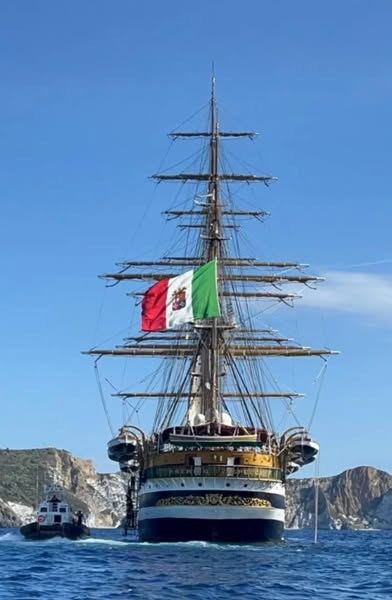
Il 24 maggio 2025, l’isola di Ponza ha vissuto un momento straordinario: la maestosa nave scuola della Marina Militare Italiana, l’Amerigo Vespucci, ha fatto tappa sull’isola, accolta con entusiasmo e profondo rispetto dal sindaco Francesco Ambrosino e dalla comunità locale.
Gli isolani, iponzesi, si sono sentiti onorati e fieri di ospitare una delle navi più belle e simboliche al mondo — autentico ambasciatore galleggiante dell’eccellenza e della tradizione navale italiana.
Un legame familiare profondo
Questo evento ha avuto un significato ancora più speciale per la mia famiglia. Infatti, sia mio padre che mio suocero hanno prestato servizio militare proprio a bordo dell’Amerigo Vespucci. Mio padre ha parlato spesso con orgoglio del senso di appartenenza che provava nel servire su una nave così iconica. Anche mio suocero, con lo stesso entusiasmo, ha custodito nel cuore ricordi preziosi legati a quel periodo.
Un’esperienza personale indimenticabile
Nel luglio del 2017, ho avuto il grande privilegio di salire a bordo dell’Amerigo Vespucci durante la sua seconda visita a Boston, proprio nel giorno del mio compleanno. È stato un dono meraviglioso e profondamente commovente.
Durante quella visita, alla nostra famiglia fu concesso un accesso esclusivo e riservato. Nonostante la lunga fila di persone in attesa, fummo chiamati per primi. Solo noi venimmo accompagnati a bordo in modo isolato, con grande gentilezza e rispetto. Abbiamo avuto il piacere di conversare con l’equipaggio e con il comandante della nave scuola italiana Amerigo Vespucci, il Capitano di Vascello Angelo Patruno, che ascoltò con sincera attenzione i racconti di mio suocero, profondamente colpito dalle sue esperienze giovanili.
Ha raccontato con fierezza di quando, durante il servizio militare, si arrampicava sugli alberi maestri della Amerigo Vespucci per spiegare le vele. Si trattava di un compito impegnativo che richiedeva forza, equilibrio e grande dedizione: sospeso tra cielo e mare, affrontava il vento con coraggio e passione. Saliva fino in cima a queste imponenti strutture verticali — chiamate alberi nel linguaggio nautico — sfiorando la sommità mentre il respiro del mare lo avvolgeva in un silenzio solenne.
Durante la nostra visita a bordo nel 2017, mio suocero ha condiviso questi ricordi con l’equipaggio dell’Amerigo Vespucci con occhi luminosi, come se stesse rivivendo, in quel preciso istante, quei momenti straordinari vissuti lassù, dove il cielo incontra le vele. La sua emozione era palpabile, e chi lo ascoltava ne rimaneva profondamente colpito.
Una nave che attraversa le generazioni
L’Amerigo Vespucci è molto più di una nave: è un ponte vivente tra passato e presente, tra generazioni e identità italiane. Per Ponza — e per la mia famiglia — il 24 maggio resterà una data incisa nella memoria.
🇪🇸 Traducción al español:
El 24 de mayo de 2025, la isla de Ponza vivió un momento extraordinario: el majestuoso buque escuela de la Marina Militar Italiana, el Amerigo Vespucci, hizo escala en la isla, siendo recibido con entusiasmo y profundo respeto por el alcalde y la comunidad local.
Los isleños, los ponceses, se sintieron honrados y orgullosos de acoger a uno de los barcos más bellos y simbólicos del mundo: un auténtico embajador flotante de la excelencia y la tradición naval italiana.
Un vínculo familiar profundo
Este acontecimiento tuvo un significado aún más especial para mi familia. De hecho, tanto mi padre como mi suegro realizaron el servicio militar precisamente a bordo del Amerigo Vespucci. Mi padre hablaba a menudo, con orgullo, del sentido de pertenencia que sentía al servir en un barco tan emblemático. También mi suegro, con el mismo entusiasmo, guardaba en su corazón recuerdos preciosos de aquella época.
Una experiencia personal inolvidable
En julio de 2017, tuve el gran privilegio de subir a bordo del Amerigo Vespucci durante su segunda visita a Boston, precisamente el día de mi cumpleaños. Fue un regalo maravilloso y profundamente conmovedor.
Durante aquella visita, a nuestra familia se le concedió un acceso exclusivo y reservado. A pesar de la larga fila de personas esperando, fuimos llamados primero. Solo nosotros fuimos acompañados a bordo de forma aislada, con gran amabilidad y respeto. Tuvimos el placer de conversar con la tripulación y con el comandante del buque escuela italiano Amerigo Vespucci, el Capitán de Navío Angelo Patruno, quien escuchó con sincera atención los relatos de mi suegro, profundamente conmovido al recordar sus experiencias de juventud.
Contó con orgullo cómo, durante el servicio militar, trepaba por los mástiles del Amerigo Vespucci para desplegar las velas. Era una tarea exigente que requería fuerza, equilibrio y gran dedicación: suspendido entre el cielo y el mar, afrontaba el viento con valentía y pasión. Subía hasta la cima de estas imponentes estructuras verticales —llamadas mástiles en lenguaje náutico— rozando la cumbre mientras el aliento del mar lo envolvía en un silencio solemne.
Durante nuestra visita a bordo en 2017, mi suegro compartió estos recuerdos con los tripulantes del Amerigo Vespucci con los ojos brillantes, como si reviviera en ese preciso instante aquellos momentos extraordinarios vividos allá arriba, donde el cielo se encuentra con las velas. Su emoción era palpable, y quienes lo escuchaban quedaban profundamente conmovidos.
Un barco que atraviesa generaciones
El Amerigo Vespucci es mucho más que un barco: es un puente viviente entre el pasado y el presente, entre generaciones e identidades italianas. Para Ponza —y para mi familia— el 24 de mayo quedará como una fecha grabada en la memoria.
🇬🇧 English Translation:
On May 24, 2025, the island of Ponza experienced an extraordinary moment: the majestic training ship of the Italian Navy, the Amerigo Vespucci, made a stop on the island, warmly welcomed with deep respect by the mayor and the local community.
The islanders, the people of Ponza, felt honored and proud to host one of the most beautiful and symbolic ships in the world — a true floating ambassador of Italian naval excellence and tradition.
A Deep Family Connection
This event held an even more special meaning for my family. In fact, both my father and my father-in-law served in the military aboard the Amerigo Vespucci. My father often spoke with pride about the sense of belonging he felt while serving on such an iconic vessel. My father-in-law, with the same enthusiasm, held dear and vivid memories from that time in his heart.
An Unforgettable Personal Experience
In July 2017, I had the great privilege of boarding the Amerigo Vespucci during its second visit to Boston, on the very day of my birthday. It was a wonderful and deeply moving gift.
During that visit, our family was granted exclusive and reserved access. Despite the long line of people waiting, we were called first. Only we were escorted on board separately, with great kindness and respect. We had the pleasure of speaking with the crew and with the commander of the Italian training ship Amerigo Vespucci, Captain Angelo Patruno, who listened with sincere attention to my father-in-law’s stories, deeply moved by the memories of his youth.
He proudly recounted how, during his military service, he would climb the main masts of the Amerigo Vespucci to unfurl the sails. It was a demanding task that required strength, balance, and deep dedication: suspended between sky and sea, he faced the wind with courage and passion. He would climb to the very top of these towering vertical structures — called “masts” in nautical terms — nearly touching the summit, as the breath of the sea surrounded him in solemn silence.
During our visit aboard in 2017, my father-in-law shared these memories with the Amerigo Vespucci crew with shining eyes, as if he were reliving, at that very moment, those extraordinary experiences lived up there, where the sky meets the sails. His emotion was palpable, and those listening were deeply moved.
A Ship That Spans Generations
The Amerigo Vespucciis much more than a ship: it is a living bridge between past and present, between generations and Italian identities. For Ponza — and for my family — May 24 will remain a date etched in memory.
“La confianza se construye cuando las acciones coinciden con las palabras.”
La confianza es una de las partes más delicadas de cualquier relación. Crece poco a poco con respeto y verdad, pero cuando se rompe, deja un silencio que ni las palabras pueden sanar. Cuando se pierde la confianza, no solo queda la decepción, sino también la profunda lección de lo que merecemos.
“Trust is built when actions meet words.”
Trust is one of the most delicate parts of any relationship. It grows slowly through respect and truth—but once broken, it leaves a silence that even words can’t always fix. When trust is lost, what remains is not just disappointment, but the deep lesson of what we deserve.
“La fiducia si costruisce quando le azioni corrispondono alle parole”.
La fiducia è una delle parti più delicate di qualsiasi relazione. Cresce lentamente, con rispetto e verità, ma quando si rompe lascia un silenzio che nemmeno le parole possono colmare. Quando si perde la fiducia, resta non solo la delusione, ma anche la profonda lezione di ciò che davvero meritiamo.