

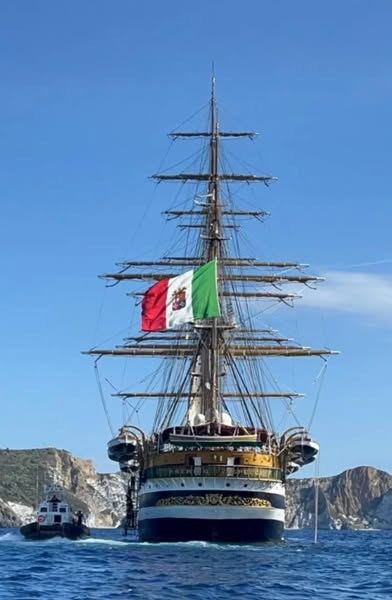
Foto gentilmente condivisa da Rosalba Mazzella.
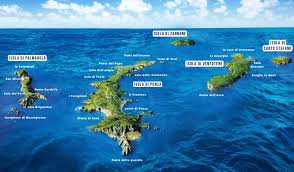
Il 24 maggio 2025, l’isola di Ponza ha vissuto un momento straordinario: la maestosa nave scuola della Marina Militare Italiana, l’Amerigo Vespucci, ha fatto tappa sull’isola, accolta con entusiasmo e profondo rispetto dal sindaco Francesco Ambrosino e dalla comunità locale.
Gli isolani, i ponzesi, si sono sentiti onorati e fieri di ospitare una delle navi più belle e simboliche al mondo — autentico ambasciatore galleggiante dell’eccellenza e della tradizione navale italiana.
Un legame familiare profondo
Questo evento ha avuto un significato ancora più speciale per la mia famiglia.
Infatti, sia mio padre che mio suocero hanno prestato servizio militare proprio a bordo dell’Amerigo Vespucci. Mio padre ha parlato spesso con orgoglio del senso di appartenenza che provava nel servire su una nave così iconica. Anche mio suocero, con lo stesso entusiasmo, ha custodito nel cuore ricordi preziosi legati a quel periodo.
Un’esperienza personale indimenticabile
Nel luglio del 2017, ho avuto il grande privilegio di salire a bordo dell’Amerigo Vespucci durante la sua seconda visita a Boston, proprio nel giorno del mio compleanno. È stato un dono meraviglioso e profondamente commovente.
Durante quella visita, alla nostra famiglia fu concesso un accesso esclusivo e riservato. Nonostante la lunga fila di persone in attesa, fummo chiamati per primi. Solo noi venimmo accompagnati a bordo in modo isolato, con grande gentilezza e rispetto. Abbiamo avuto il piacere di conversare con l’equipaggio e con il comandante della nave scuola italiana Amerigo Vespucci, il Capitano di Vascello Angelo Patruno, che ascoltò con sincera attenzione i racconti di mio suocero, profondamente colpito dalle sue esperienze giovanili.
Ha raccontato con fierezza di quando, durante il servizio militare, si arrampicava sugli alberi maestri della Amerigo Vespucci per spiegare le vele. Si trattava di un compito impegnativo che richiedeva forza, equilibrio e grande dedizione: sospeso tra cielo e mare, affrontava il vento con coraggio e passione. Saliva fino in cima a queste imponenti strutture verticali — chiamate alberi nel linguaggio nautico — sfiorando la sommità mentre il respiro del mare lo avvolgeva in un silenzio solenne.
Durante la nostra visita a bordo nel 2017, mio suocero ha condiviso questi ricordi con l’equipaggio dell’Amerigo Vespucci con occhi luminosi, come se stesse rivivendo, in quel preciso istante, quei momenti straordinari vissuti lassù, dove il cielo incontra le vele. La sua emozione era palpabile, e chi lo ascoltava ne rimaneva profondamente colpito.
Una nave che attraversa le generazioni
L’Amerigo Vespucci è molto più di una nave: è un ponte vivente tra passato e presente, tra generazioni e identità italiane. Per Ponza — e per la mia famiglia — il 24 maggio resterà una data incisa nella memoria.
🇪🇸 Traducción al español:
El 24 de mayo de 2025, la isla de Ponza vivió un momento extraordinario: el majestuoso buque escuela de la Marina Militar Italiana, el Amerigo Vespucci, hizo escala en la isla, siendo recibido con entusiasmo y profundo respeto por el alcalde y la comunidad local.
Los isleños, los ponceses, se sintieron honrados y orgullosos de acoger a uno de los barcos más bellos y simbólicos del mundo: un auténtico embajador flotante de la excelencia y la tradición naval italiana.
Un vínculo familiar profundo
Este acontecimiento tuvo un significado aún más especial para mi familia.
De hecho, tanto mi padre como mi suegro realizaron el servicio militar precisamente a bordo del Amerigo Vespucci. Mi padre hablaba a menudo, con orgullo, del sentido de pertenencia que sentía al servir en un barco tan emblemático. También mi suegro, con el mismo entusiasmo, guardaba en su corazón recuerdos preciosos de aquella época.
Una experiencia personal inolvidable
En julio de 2017, tuve el gran privilegio de subir a bordo del Amerigo Vespucci durante su segunda visita a Boston, precisamente el día de mi cumpleaños. Fue un regalo maravilloso y profundamente conmovedor.
Durante aquella visita, a nuestra familia se le concedió un acceso exclusivo y reservado. A pesar de la larga fila de personas esperando, fuimos llamados primero. Solo nosotros fuimos acompañados a bordo de forma aislada, con gran amabilidad y respeto. Tuvimos el placer de conversar con la tripulación y con el comandante del buque escuela italiano Amerigo Vespucci, el Capitán de Navío Angelo Patruno, quien escuchó con sincera atención los relatos de mi suegro, profundamente conmovido al recordar sus experiencias de juventud.
Contó con orgullo cómo, durante el servicio militar, trepaba por los mástiles del Amerigo Vespucci para desplegar las velas. Era una tarea exigente que requería fuerza, equilibrio y gran dedicación: suspendido entre el cielo y el mar, afrontaba el viento con valentía y pasión. Subía hasta la cima de estas imponentes estructuras verticales —llamadas mástiles en lenguaje náutico— rozando la cumbre mientras el aliento del mar lo envolvía en un silencio solemne.
Durante nuestra visita a bordo en 2017, mi suegro compartió estos recuerdos con los tripulantes del Amerigo Vespucci con los ojos brillantes, como si reviviera en ese preciso instante aquellos momentos extraordinarios vividos allá arriba, donde el cielo se encuentra con las velas. Su emoción era palpable, y quienes lo escuchaban quedaban profundamente conmovidos.
Un barco que atraviesa generaciones
El Amerigo Vespucci es mucho más que un barco: es un puente viviente entre el pasado y el presente, entre generaciones e identidades italianas. Para Ponza —y para mi familia— el 24 de mayo quedará como una fecha grabada en la memoria.
🇬🇧 English Translation:
On May 24, 2025, the island of Ponza experienced an extraordinary moment: the majestic training ship of the Italian Navy, the Amerigo Vespucci, made a stop on the island, warmly welcomed with deep respect by the mayor and the local community.
The islanders, the people of Ponza, felt honored and proud to host one of the most beautiful and symbolic ships in the world — a true floating ambassador of Italian naval excellence and tradition.
A Deep Family Connection
This event held an even more special meaning for my family.
In fact, both my father and my father-in-law served in the military aboard the Amerigo Vespucci. My father often spoke with pride about the sense of belonging he felt while serving on such an iconic vessel. My father-in-law, with the same enthusiasm, held dear and vivid memories from that time in his heart.
An Unforgettable Personal Experience
In July 2017, I had the great privilege of boarding the Amerigo Vespucci during its second visit to Boston, on the very day of my birthday. It was a wonderful and deeply moving gift.
During that visit, our family was granted exclusive and reserved access. Despite the long line of people waiting, we were called first. Only we were escorted on board separately, with great kindness and respect. We had the pleasure of speaking with the crew and with the commander of the Italian training ship Amerigo Vespucci, Captain Angelo Patruno, who listened with sincere attention to my father-in-law’s stories, deeply moved by the memories of his youth.
He proudly recounted how, during his military service, he would climb the main masts of the Amerigo Vespucci to unfurl the sails. It was a demanding task that required strength, balance, and deep dedication: suspended between sky and sea, he faced the wind with courage and passion. He would climb to the very top of these towering vertical structures — called “masts” in nautical terms — nearly touching the summit, as the breath of the sea surrounded him in solemn silence.
During our visit aboard in 2017, my father-in-law shared these memories with the Amerigo Vespucci crew with shining eyes, as if he were reliving, at that very moment, those extraordinary experiences lived up there, where the sky meets the sails. His emotion was palpable, and those listening were deeply moved.
A Ship That Spans Generations
The Amerigo Vespucci is much more than a ship: it is a living bridge between past and present, between generations and Italian identities. For Ponza — and for my family — May 24 will remain a date etched in memory.








 Maria Conte Programs