

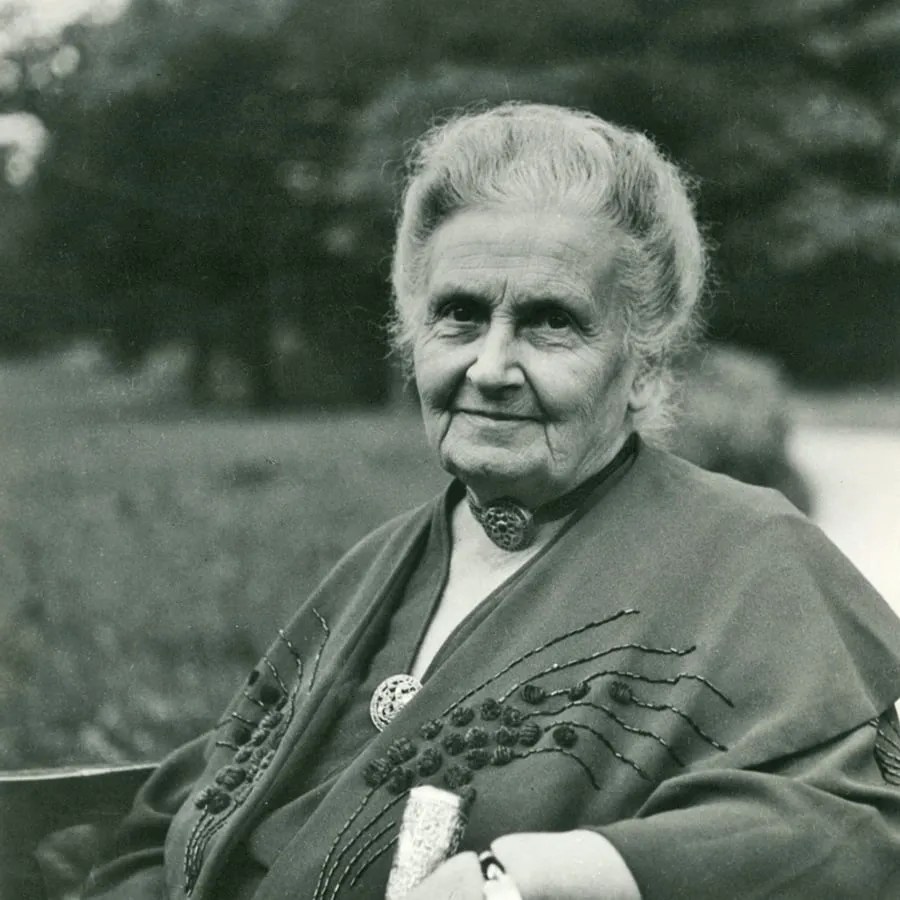
Maria Montessori (1870-1952), was an Italian physician, pedagogist and educator, best known for developing the Montessori Method, a revolutionary approach to early childhood education. But Montessori education is much more than just a teaching method—it’s a philosophy that nurtures a child’s natural love for learning, independence, and self-confidence. Her approach encourages children to learn at their own pace, guided by their interests and strengths, in an environment that promotes hands-on learning, creativity, and critical thinking.
In this post, we’ll explore the core principles of Montessori teaching and how they create an educational space where children are empowered to take ownership of their learning journey. By focusing on holistic development—spanning language, art, cooking, and social-emotional growth—Montessori methodology provides a foundation that extends far beyond academic success. It’s about fostering curiosity, creativity, and problem-solving skills that will serve children throughout their lives.
As a Montessori educator with many years of teaching experience, I have seen firsthand how these principles benefit students of all ages. The focus on self-directed learning and the encouragement of exploration and inquiry allows children (and adults) to develop critical life skills that go beyond the classroom. Montessori teaching isn’t just about academic achievement—it’s about cultivating a lifelong love for learning.
If you’re inspired by the Montessori philosophy and want to experience its benefits firsthand, explore Maria Conte’s Programs—designed to support growth, independence, and a lifelong love of learning for students of all ages.
 Maria Conte Programs